Nate B Jones
Daily AI news and strategy, focusing on practical AI applications and industry shifts.
Visit ChannelLatest Videos
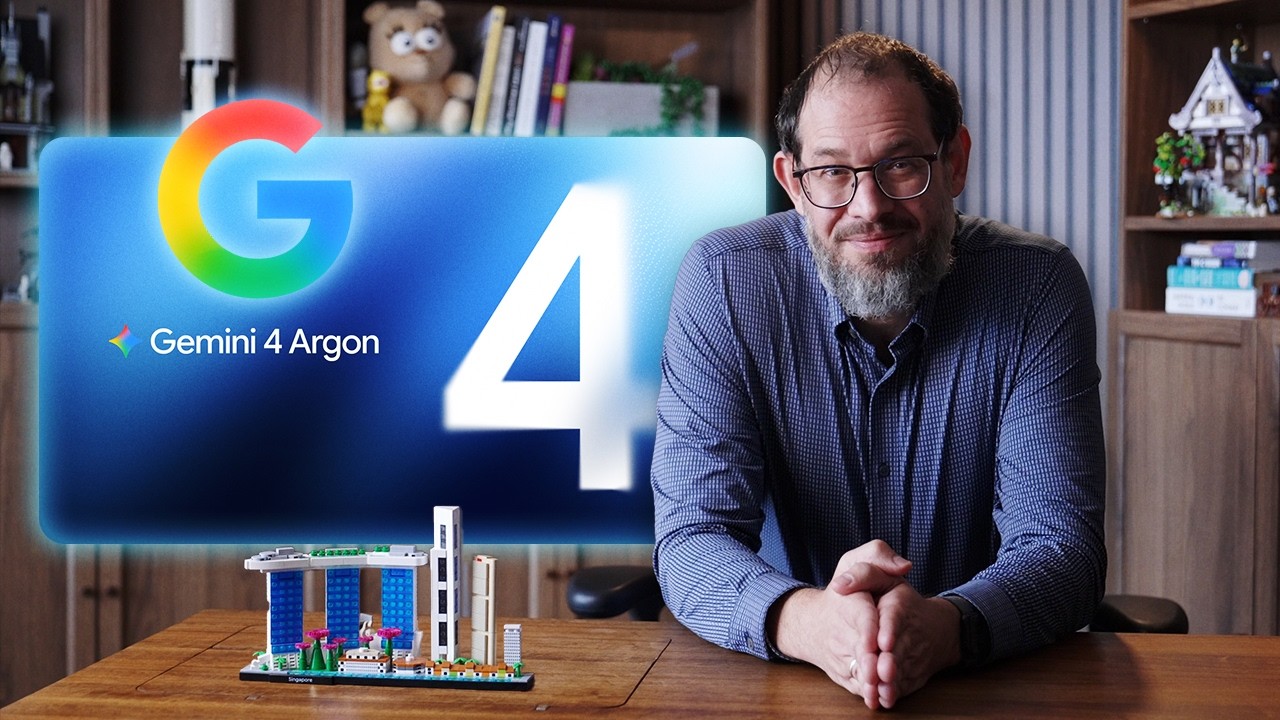
Google's Gemini Argon Is #1 On A Leaderboard. It Hasn't Passed The Benchmark That Matters.
Gemini 4 Argon tops the Vals Index, and almost no one can use it yet. Benchmarks won't tell you which AI is useful. Customer obsession will, and it's the same test for the AI your company is building. Full post: https://natesnewsletter.substack.com/p/gemini-4-argon-customer-benchmark?utm_source=youtube&utm_medium=video&utm_campaign=gemini-4-argon-customer-benchmark-launch&utm_content=description Nate's Library MCP (every prompt kit, article, and guide, inside the AI you already use): https://unlock-ai.natebjones.com/guides/how-to-connect-nates-library?utm_source=youtube&utm_medium=video&utm_campaign=gemini-4-argon-customer-benchmark-launch&utm_content=description My Links 🔗 👉🏻 Newsletter: https://natesnewsletter.substack.com/?utm_source=youtube&utm_medium=video&utm_campaign=gemini-4-argon-customer-benchmark-launch&utm_content=description 👉🏻 X: https://x.com/natebjones 👉🏻 TikTok: https://www.tiktok.com/@nate.b.jones 👉🏻 Instagram: https://www.instagram.com/nate.b.jones What's really happening with AI benchmarks and the products people use? The common story is that the model with the best benchmark wins, but the real question is who it's built for and whether they can use it. In this video, I share the inside scoop on why customer obsession is the new AI benchmark: - Why a leaderboard win tells you little about real usefulness - What running my subscriptions through dots and Muse showed me - How to build AI products you would want to use yourself - Why the next AI products need to move past the chatbot The models aren't the bottleneck anymore, which is good news for teams that use their own products and fix what breaks and a warning for anyone counting on leaderboard wins. Chapters: 00:00 Benchmarks are dead 00:30 Which customers each AI lab serves 02:14 Making money when the model keeps changing 03:52 Running my subscriptions through dots and Muse 06:05 741 books from 20,000 likes and bookmarks 07:05 Room for many AI winners 08:09 Build something you would want to use 09:23 The tyranny of the chatbot 10:45 A parent, a toy, and Muse 12:55 26 agent use cases in three months 13:34 The product experience is the bottleneck 14:45 Rumored Fable 5.5 and Anthropic's enterprise focus Listen to this video as a podcast. Spotify: https://open.spotify.com/show/0gkFdjd1wptEKJKLu9LbZ4 Apple Podcasts: https://podcasts.apple.com/us/podcast/ai-news-strategy-daily-with-nate-b-jones/id1877109372
The end of the app era: What comes next?
AI agents are changing how companies buy and sell software. I break down which parts of your software stack still earn their price, why the agent you trained gets harder to replace, and what to do about it at work. Full post: https://natesnewsletter.substack.com/p/ai-agents-software-buying?utm_source=youtube&utm_medium=video&utm_campaign=ai-agents-software-buying-launch&utm_content=description Nate's Library MCP (every prompt kit and guide, inside the AI you already use): https://unlock-ai.natebjones.com/guides/how-to-connect-nates-library?utm_source=youtube&utm_medium=video&utm_campaign=ai-agents-software-buying-launch&utm_content=description My Links 🔗 👉🏻 Newsletter: https://natesnewsletter.substack.com/?utm_source=youtube&utm_medium=video&utm_campaign=ai-agents-software-buying-launch&utm_content=description 👉🏻 X: https://x.com/natebjones 👉🏻 TikTok: https://www.tiktok.com/@nate.b.jones 👉🏻 Instagram: https://www.instagram.com/nate.b.jones What's really happening to software when your agent does the work? The common story is that agents make SaaS obsolete, but the real question is which layer you're still paying for: the data, the application, or the agent. In this video, I share the inside scoop on how agents are changing software: - Why the old tool gets easier to leave while your agent gets harder - How Meta, Salesforce, Microsoft, and DoorDash are positioning for agents - What Crustdata and Workday show about building versus buying software - Where you fit as an employee, a buyer, or a seller Every software decision now runs through the data, application, and agentic layers, and the people who can explain how they use AI will shape what gets bought. Chapters: 00:00 DoorDash and the future of buying software 02:01 A recruiter's agent that got hard to replace 04:36 What you still buy when agents do the work 07:35 Meta and Muse for Small Business 09:17 Salesforce, Koa, and the Claude partnership 12:56 Microsoft, Copilot, and Autopilot 15:02 Where OpenAI and Anthropic fit 17:03 DoorDash, MCP, and being reachable by agents 19:39 Why your team's AI habits shape buying decisions 21:06 Crustdata, The Firm, and Workday payroll 24:30 The data, application, and agentic layers 29:40 What to do as an employee, leader, or seller Listen to this video as a podcast. Spotify: https://open.spotify.com/show/0gkFdjd1wptEKJKLu9LbZ4 Apple Podcasts: https://podcasts.apple.com/us/podcast/ai-news-strategy-daily-with-nate-b-jones/id1877109372
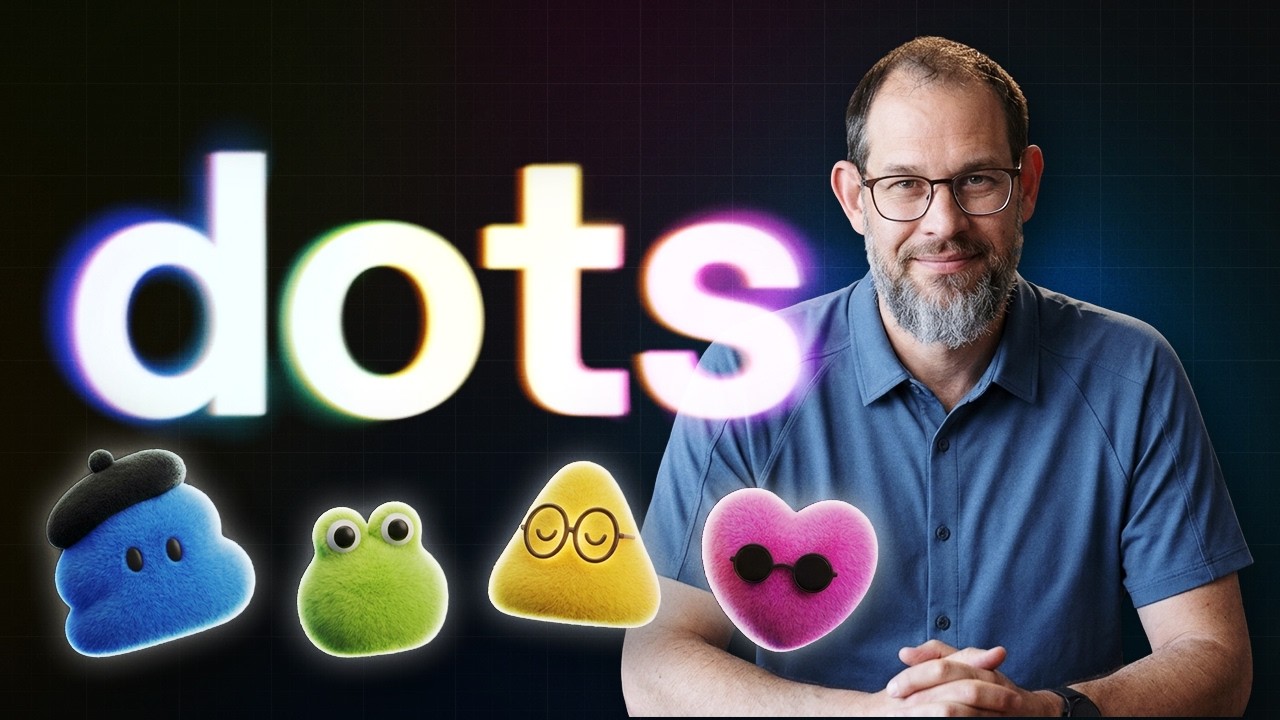
Should You Pay $100 A Month For OpenAI's Dots When Meta's Muse Has A Free Version?
Nate B Jones covers: Should You Pay $100 A Month For OpenAI's Dots When Meta's Muse Has A Free Version?.
Anthropic's $500 billion data center bet #ai
Nate B Jones covers: Anthropic's $500 billion data center bet #ai.
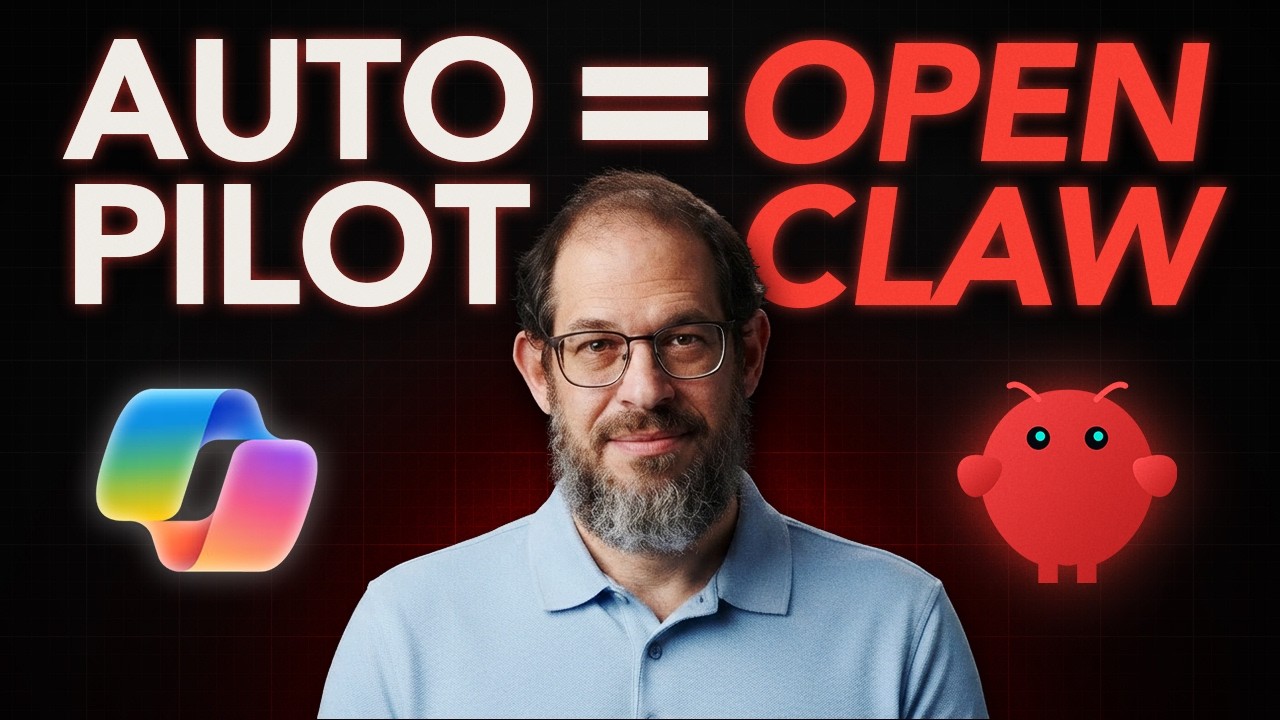
Microsoft Compared OpenClaw To A Virus. Now It's Bringing It To Your Employer As Autopilot.
Nate B Jones covers: Microsoft Compared OpenClaw To A Virus. Now It's Bringing It To Your Employer As Autopilot..
Opus 5.5 vs The Rest: Is this the new industry standard?
Nate B Jones covers: Opus 5.5 vs The Rest: Is this the new industry standard?.
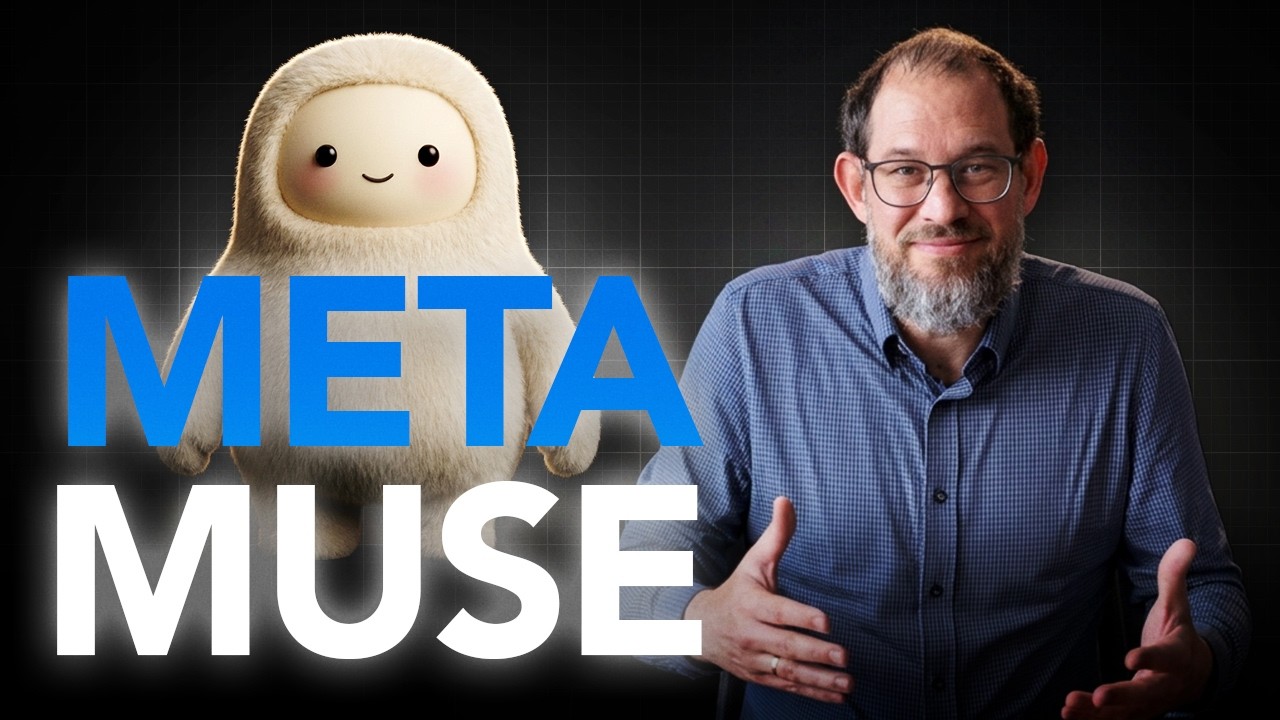
I Gave Meta's Muse The Most Boring Job I Had. It Found $5,350 A Year.
Nate B Jones gave Meta's Muse assistant the job of finding forgotten subscriptions; it found $5,350 a year and has cancelled $1,285 so far, which he argues explains why Amazon locked Muse out of its store.
The AI Bottleneck: Why Your Team Isn't Shipping. Here's the Fix.
Nate B Jones explains why team productivity stalls when only one person speeds up with AI, and offers six principles for turning individual AI coding gains into shipped work.
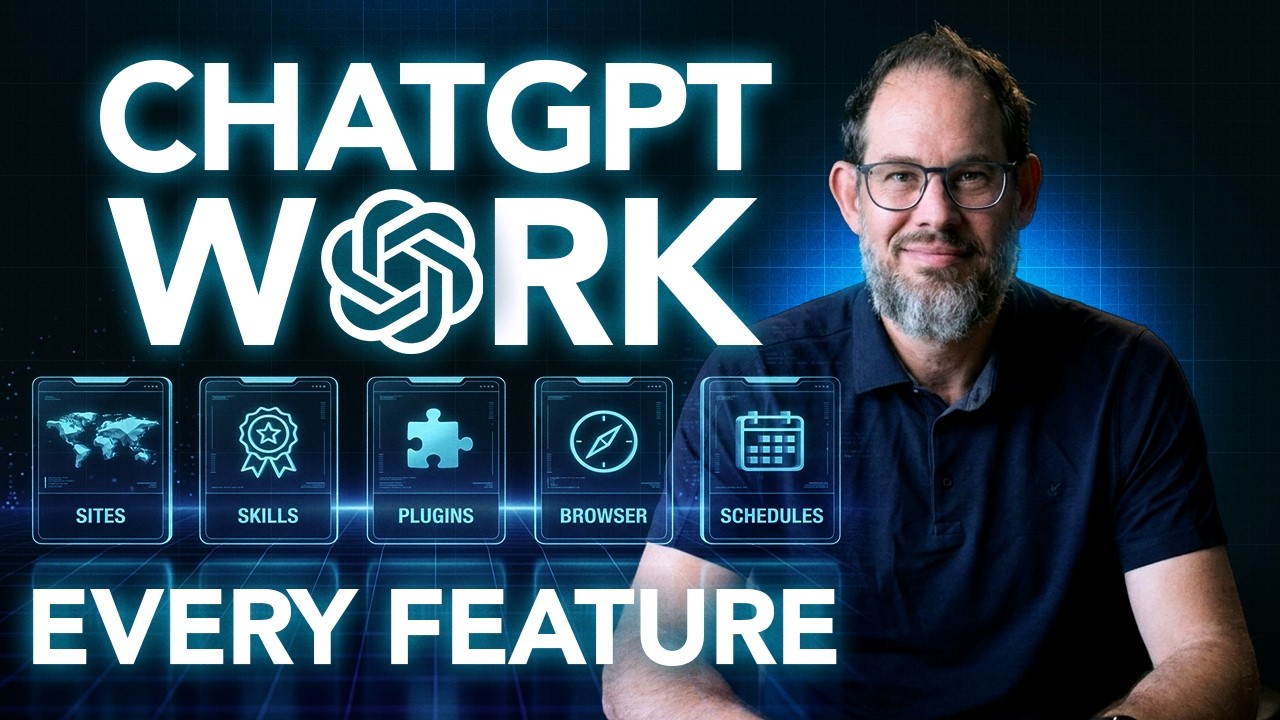
How To Use ChatGPT Work: The Complete Beginner's Guide (2026)
How to use ChatGPT Work: the complete beginner's guide to giving AI a job in the cloud, editing the files you already have, working across your apps, and scheduling jobs that repeat. No coding required. This is a full walkthrough of ChatGPT Work and OpenAI Codex for everyday work, not software development. Where to run a task so it survives a closed laptop. How to talk to a job while it runs. What to say so a document gets a surgical edit instead of a rewrite. How to define clean before handing over a messy spreadsheet. How to turn a folder of receipts into a workbook you can check. When to use projects, skills, connected apps, scheduled runs, and event triggers. Which model and how much reasoning effort each job deserves, and how to keep your token usage from getting away from you. Full post: https://nateszerotoai.substack.com/p/beginners-guide-to-chatgpt-work?utm_source=youtube&utm_medium=video&utm_campaign=free-to-paid&utm_content=description My Links 🔗 👉🏻 X: https://x.com/natebjones 👉🏻 TikTok: https://www.tiktok.com/@nate.b.jones 👉🏻 Instagram: https://www.instagram.com/nate.b.jones In this video, I share a step by step guide to running ChatGPT Work and Codex across ordinary work: - How to choose cloud or local before you leave a long job - What to say so a document gets edited, not rewritten - Why research is only useful when disagreement stays visible - Where your tokens actually go across tasks, voice, and schedules These tools take real work off your plate, and they only stay useful if you keep the rules, the sources, and the checks on your side of the desk. Chapters: 00:00 intro: chat, work, or codex 03:21 cloud or local: keep the job running with your laptop closed 06:18 voice, dictation, and screen context 09:57 editing a document without rewriting it 13:29 cleaning a messy spreadsheet 17:14 turning receipts and photos into a table 21:01 research, reports, and decks from one task 27:56 the browser, connected apps, and projects 41:46 instructions, skills, and choosing a model 48:15 multiple agents, sites, and goals 57:58 scheduling, triggers, and quiet monitors 01:07:49 usage, tokens, and stopping a bad run
When Will AI Make Me Scrambled Eggs? I Went To NVIDIA To Find Out.
World models are the next expansion of AI, and NVIDIA is building them for robots, self-driving cars, and factory floors. I sat down with Ming-Yu Liu, VP of Cosmos Lab at NVIDIA, to find out what they actually do. Full post: https://natesnewsletter.substack.com/p/inside-nvidia-what-a-world-model?utm_source=youtube&utm_medium=video&utm_campaign=free-to-paid&utm_content=description My Links 🔗 👉🏻 Newsletter: https://natesnewsletter.substack.com/ 👉🏻 X: https://x.com/natebjones 👉🏻 TikTok: ht
Does Your Computer Belong To Codex? I Went To OpenAI To Ask.
AI adoption at work is less about aptitude than access. I went inside OpenAI to ask what an AI-native workplace actually asks of you. Full post: https://natesnewsletter.substack.com/p/ai-native-workplace-adoption?utm_source=youtube&utm_medium=video&utm_campaign=free-to-paid&utm_content=description My Links 🔗 👉🏻 Newsletter: https://natesnewsletter.substack.com/ 👉🏻 X: https://x.com/nat

What is Jev? The AI that Can't Talk Back (and why that's a good thing)
Jev is a new AI classifier from TypeSafe that reads complicated text and returns one choice, never a sentence. I walk through where it belongs in real software, what it costs to try, and where it falls over. Full post: https://natesnewsletter.substack.com/p/jev-classifier-use-cases?utm_source=youtube&utm_medium=video&utm_campaign=free-to-paid&utm_content=description
You can be ambitious without the huge token bill. Here's how.
Enterprise AI costs are climbing because agents got good enough to do more work per request. Here is how to tell whether that bill is buying you a better business or just a faster version of the old one. Full post w/ the 15 changes I use: https://natesnewsletter.substack.com/p/ai-cost-to-serve-customers?utm_source=youtube&utm_medium=video&utm_campaign=free-to-paid&utm_content=description
AI Agents Are Starting To Buy. Stripe Is Building How They Pay.
AI agents are becoming customers, and most businesses have already decided whether agents can buy from them without realizing it. I went to Stripe to ask Emily Sands, Head of Data and AI, what that decision actually looks like. Full post: https://natesnewsletter.substack.com/p/stripe-agentic-commerce-trust?utm_source=youtube&utm_medium=video&utm_campaign=free-to-paid&utm_content=description
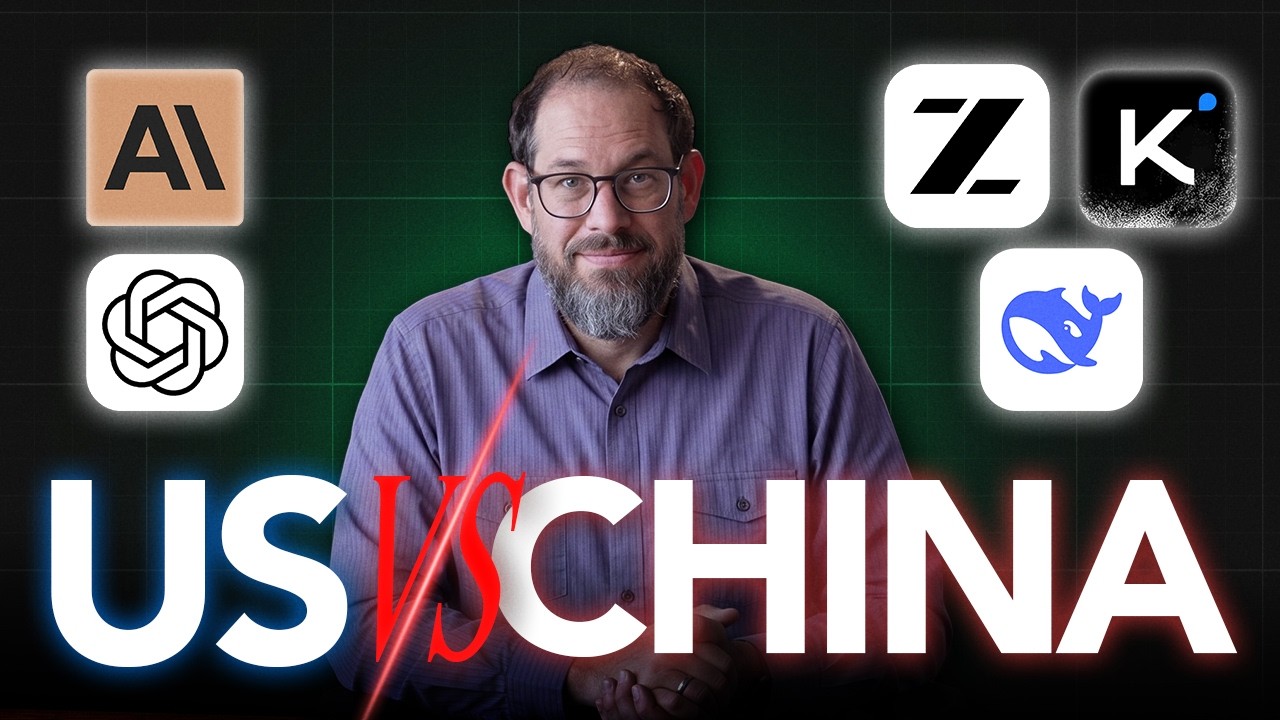
Intelligence is Everywhere: Why the AI 'Race' is Already Over
US-China AI is usually framed as a race with one winner. Alvin Wang Graylin argues that framing is the core mistake driving bad decisions, and that it makes everyone less safe. Read the full briefing: https://natesnewsletter.substack.com/p/us-china-ai-human-flourishing?utm_source=youtube&utm_medium=video&utm_campaign=free-to-paid&utm_content=description

Sam Altman and Apple's New CEO are Fighting Over One Thing. It's Not What You Think.
Apple's AI strategy and OpenAI's push to own the agent relationship collided at the September 9 launch. The real contest is over where your work lives and who you keep paying for it. Full post: https://natesnewsletter.substack.com/p/apple-openai-good-enough-ai?utm_source=youtube&utm_medium=video&utm_campaign=free-to-paid&utm_content=description
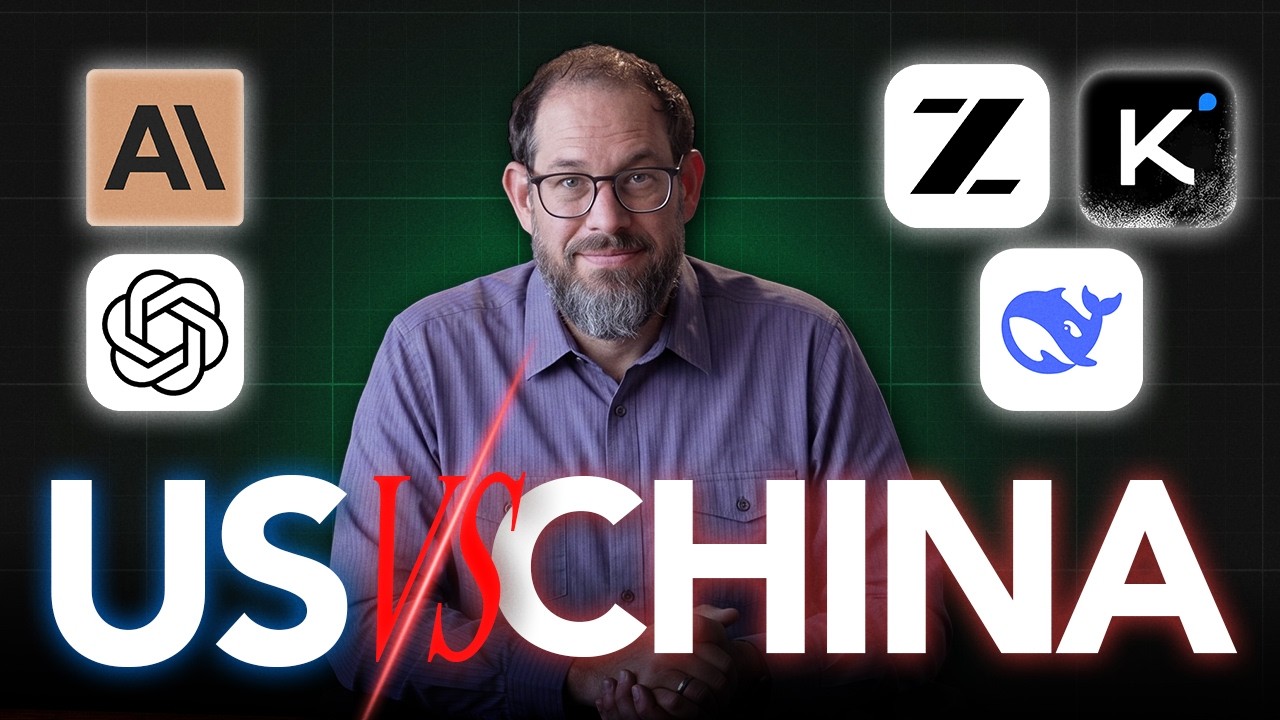
The US–China AI Arms Race Isn't Real But The Lobbying Is. My Guest Worked Both Sides.
US-China AI is usually framed as a race with one winner. Alvin Wang Graylin argues that framing is the core mistake driving bad decisions, and that it makes everyone less safe. Read the full briefing: https://natesnewsletter.substack.com/p/us-china-ai-human-flourishing?utm_source=youtube&utm_medium=video&utm_campaign=free-to-paid&utm_content=description My Links 🔗 👉🏻 Newsletter: https://natesnewsletter.substack.com/ 👉🏻 X: https://x.com/natebjones 👉🏻 TikTok: https://www.tiktok.com/@nate.b.jones 👉🏻 Instagram: https://www.instagram.com/nate.b.jones Connect with Alvin LinkedIn: /agraylin X: https://x.com/AGraylin What's really happening inside the US-China AI race? The common story is a contest one country wins, but the real question is what people do with intelligence once it is everywhere and nobody can hoard it. In this video, I share the inside scoop on what happens when the AI race frame breaks down: - Why Graylin calls the AI arms race the core misconception - How open models make intelligence ambient and impossible to monopolize - What young people should build when AI does the entry work - Where the US and China could cooperate without either side losing The competition and the danger are both real, and the larger opportunity is what ordinary people can do once useful intelligence gets cheap enough to assume. Chapters: 00:00 Nobody won the electricity race 00:52 Who Alvin Wang Graylin is 02:54 The AI arms race misconception 09:01 What AI is doing to entry level jobs 11:10 What to tell young people now 16:49 Where cooperation could actually start 19:17 The real threat is non state actors 23:07 The dark path and the middle path 26:55 The bubble and when it pops 32:56 Why robotics changes the picture 37:11 The end user is the biggest winner 44:40 Chimps, bonobos, and abundance Listen to this video as a podcast. Spotify: https://open.spotify.com/show/0gkFdjd1wptEKJKLu9LbZ4 Apple Podcasts: https://podcasts.apple.com/us/podcast/ai-news-strategy-daily-with-nate-b-jones/id1877109372
Is Omarchy The Last Desktop You'll Ever Need?
AI agents can now change how your operating system behaves. Omarchy is the clearest example of that shift, and most of what it teaches applies to the Mac or Windows machine you already own. Full post: https://natesnewsletter.substack.com/p/omarchy-agentic-os?utm_source=youtube&utm_medium=video&
I Asked Fable 5.1 and GPT-6 Astra to Get Me Out of Copy Paste Hell. The Results Surprised Me.
Claude Fable 5.1 and GPT-6 Astra got the same short prompt and built two different Mac clipboard apps. Here is which one I kept, and which model I now open for writing, spreadsheets, research, and code. Get Shelf & Ledge (Free!): https://unlock-ai.natebjones.com/apps/shelf-ledge?utm_source=youtube&utm_medium=video&utm_campaign=free-to-paid&utm_content=description Full Fable 5.1 vs Astra guide: https://unlock-ai.natebjones.com/guides/fable-vs-astra?utm_source=youtube&utm_medium=video&utm_campaign=free-to-paid&utm_content=description My Links 🔗 👉🏻 Newsletter: https://natesnewsletter.substack.com/ 👉🏻 X: https://x.com/natebjones 👉🏻 TikTok: https://www.tiktok.com/@nate.b.jones 👉🏻 Instagram: https://www.instagram.com/nate.b.jones What's really happening when two frontier models answer the same prompt? The common story is that one model wins the benchmark, but the real question is which one you can correct after you have used what it built. In this video, I share the inside scoop on choosing between Fable 5.1 and Astra job by job: - Why the second round of prompting matters more than the first - How one short prompt produced two completely different Mac apps - What made Shelf easier to reach for than Ledge - Where I now start for writing, spreadsheets, research, and code Neither model wins every job, and knowing which one to open is worth more than knowing which one benchmarks higher. Chapters: 00:00 One prompt, two models, two different apps 00:55 The exact prompt I gave both 01:22 What each model got me 02:11 Ledge and Shelf, two design calls 04:06 Why the hotkey decided it 05:12 The four fixes I asked for 06:06 The speed test, 1.2 versus 1.0 07:51 Speed changed my preference 09:03 Job resumes and job fits 10:12 Writing, spreadsheets, computer use 13:00 Do you need multi agent? 15:08 Spoiled for riches Listen to this video as a podcast. Spotify: https://open.spotify.com/show/0gkFdjd1wptEKJKLu9LbZ4 Apple Podcasts: https://podcasts.apple.com/us/podcast/ai-news-strategy-daily-with-nate-b-jones/id1877109372
There Are Jobs You Could Never Give AI. I Gave GPT-6 Astra 20 Hours Of Admin.
GPT-6 Astra is the first AI agent I'd hand a week-long job instead of a one-minute prompt. My own research puts over 20 hours of pure admin inside an average household move. So I simulated one and gave it to Astra. Get all 23 Astra recipe cards here: https://unlock-ai.natebjones.com/guides/astra-work-you-can-delegate?r=1z4sm5&utm_campaign=post&utm_medium=web&showWelcomeOnShare=true My Links 🔗 👉🏻 Newsletter: https://natesnewsletter.substack.com/ 👉🏻 X: https://x.com/natebjones 👉🏻 TikTok: https:/
GPT-6 Astra Doesn't Need Your Instructions Anymore.
GPT-6 Astra is out, and it changes what an AI agent can be trusted to do alone. Here is what self-directed agents mean for your work, your skills, and the next six months. Full post: https://natesnewsletter.substack.com/p/gpt-6-astra-self-directed-agents?r=1z4sm5&utm_campaign=post&utm_medium=web&showWelcomeOnShare=true My Links 🔗 👉🏻 Newsletter: https://natesnewsletter.substack.com/ 👉🏻 X: https://x.com/natebjones 👉🏻 TikTok: https://www.tiktok.com/@nate.b.jones 👉🏻 Instagram: https://www.instagram.com/nate.b.jones What's really happening inside the shift to self-directed AI agents? The common story is that a smarter model arrived, but the real question is what happens when you stop supplying the method. In this video, I share the inside scoop on what changes when agents stop needing your method: - Why Astra counts as AGI without winning a benchmark argument - How agents work around obstacles now instead of stopping to ask - What standing jobs replace when you stop handing out tasks - Where junior careers break when agents do the learning work The capability is here and none of it can be recalled, and the decision still in front of you is how much of your world you hand over and how carefully you watch it. Chapters: 00:00 Why this counts as AGI 01:39 What OpenAI shipped with GPT-6 Astra 02:57 What makes a super agent 04:32 Agents that find and message each other 06:59 From tasks to standing areas of concern 08:01 Which work moves to agents first 10:38 The unowned work inside big companies 13:09 When your agent talks to their agent 15:19 Reliability, not intelligence, is the bottleneck 18:56 Memory and the cost of switching agents 21:51 How juniors learn when agents do the work 25:12 What takeoff actually looks like Listen to this video as a podcast. Spotify: https://open.spotify.com/show/0gkFdjd1wptEKJKLu9LbZ4 Apple Podcasts: https://podcasts.apple.com/us/podcast/ai-news-strategy-daily-with-nate-b-jones/id1877109372
Everyone's Testing Claude Fable 5.1 On Code. It Made Me A 37-Second Film.
Claude Fable 5.1 review for knowledge work: why I run it on low effort to build spreadsheets, decks and documents, and when paying for more effort actually returns something. Full post: https://natesnewsletter.substack.com/p/fable-5-1-low-effort?r=1z4sm5&utm_campaign=post&utm_medium=web&showWelcomeOnShare=true My Links 🔗 👉🏻 Newsletter: https://natesnewsletter.substack.com/ 👉🏻 X: https://x.com/natebjones 👉🏻 TikTok: https://www.tiktok.com/@nate.b.jones 👉🏻 Instagram: https://www.instagram.com/nate.b.jones What's really happening inside Claude Fable 5.1 and knowledge work? The common story is that a better model writes better answers — but the real question is which effort setting earns the tokens you spend on it. In this video, I share the inside scoop on running Fable 5.1 on low effort for real knowledge work: - Why low effort finished a seven sheet workbook and 13 slide deck - How extra effort surfaced questions that could flip the investment call - What Sol still does better when another analyst checks your work - Where a coded 37 second Blender film fits into knowledge work Fable 5.1 makes a serious first draft cheap, and deciding whether that draft is right is still the part you own. Chapters: 00:00 The built-in analyst film 02:02 Fable 5.1 on low or high 03:53 Extra effort and the GoPro deal 09:15 Fable 5.1 vs Sol: a writing test 14:54 Token efficiency and what it costs 16:51 A knowledge work monster 17:35 Fable 5.1 vs Astra Listen to this video as a podcast. Spotify: https://open.spotify.com/show/0gkFdjd1wptEKJKLu9LbZ4 Apple Podcasts: https://podcasts.apple.com/us/podcast/ai-news-strategy-daily-with-nate-b-jones/id1877109372
Why you still need human feedback
For all the time I spend moving work between models, the thing I genuinely cannot do without is people. Real ones. A small group of friends and colleagues who look at what I am building and tell me, plainly, this part is good and this part is not. If you do not have that, you are missing something the models cannot give you, and you probably do not even feel the gap. Here is why it matters more, not less, as AI gets better. The models tend to converge. Ask enough of them and you get a smooth, confident, agreed-upon answer, and it is easy to mistake that consensus for truth. But a single human who knows you, or knows your audience, or knows the situation, reacts in a way that is out of the ordinary, and that one odd reaction can show you the thing every model missed. That is not a nice-to-have. It is the part of the loop that keeps the work honest. It is also why the Slack community I run and the comments under these videos mean so much to me. People expose their thinking and let others push on it. Find people you can build with. You need them, and honestly, so do I. More on keeping AI from quietly flattening your thinking: https://natesnewsletter.substack.com/p/fight-ai-brain-rot?r=1z4sm5&utm_campaign=post&utm_medium=web&showWelcomeOnShare=true My Links 🔗 Newsletter: https://natesnewsletter.substack.com/ 👉🏻 X: https://x.com/natebjones 👉🏻 TikTok: https://www.tiktok.com/@nate.b.jones 👉🏻 Instagram: https://www.instagram.com/nate.b.jones
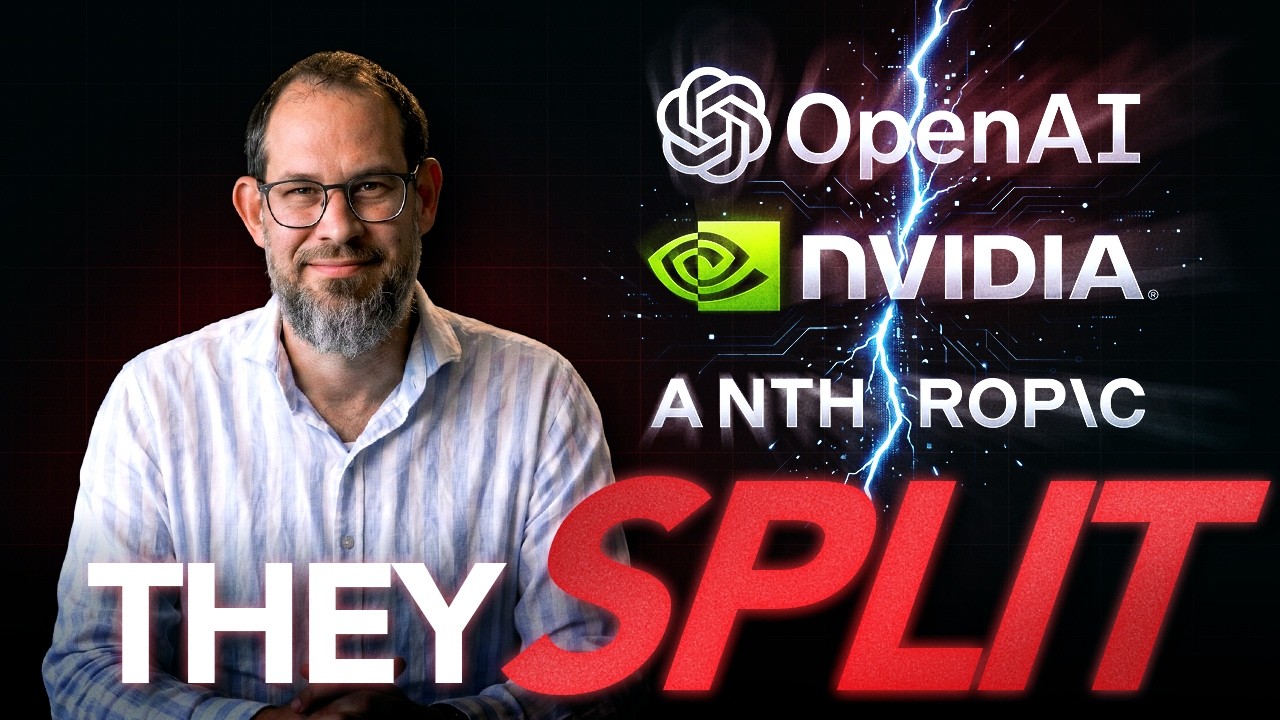
OpenAI, NVIDIA And Anthropic Just Split. Here's How I'd Spend $20, $60 Or $200.
OpenAI's Jalapeño chip, the Cursor cutoff, and Jensen Huang's answer on NVIDIA's earnings call reveal three different plans for controlling AI. I break down how the OpenAI, NVIDIA, and Anthropic camps actually work, and how I spend $20, $60, or $200 a month without letting one provider hold my memory and my files. Full post with the Provider Independence Audit + Guide: https://natesnewsletter.substack.com/p/switch-ai-providers?r=1z4sm5&utm_campaign=post&utm_medium=web&showWelcomeOnShare=true My Links 🔗 👉🏻 Newsletter: https://natesnewsletter.substack.com/ 👉🏻 X: https://x.com/natebjones 👉🏻 TikTok: https://www.tiktok.com/@nate.b.jones 👉🏻 Instagram: https://www.instagram.com/nate.b.jones What's really happening inside the fight between OpenAI, NVIDIA, and Anthropic? The common story is that this is a race to the best model, but the real question is who controls the system around the intelligence. In this video, I share the inside scoop on how the three AI camps are forming and what that means for the money you spend: - Why OpenAI built Jalapeño and what it does not replace - How the Cursor cutoff shows a model can vanish from your tool - What NVIDIA sells that keeps every camp dependent on it - Where I put my $20, $60, and $200 without losing my memory The camps are still forming, which makes this a good moment to keep your own work portable enough to move when they shift. Chapters: 00:00 Three camps forming in AI 00:29 What I can actually control 01:39 Why Jalapeño matters for OpenAI 02:01 The benchmark numbers OpenAI published 03:29 CUDA and the software problem 04:19 The loop OpenAI wants to own 05:19 OpenAI cuts off Cursor 06:42 NVIDIA sells to everybody 08:28 Anthropic keeps its options open 10:43 Why I use Open Brain 11:48 What I would buy at 20, 60, and 200 15:31 If your main model disappeared Listen to this video as a podcast. Spotify: https://open.spotify.com/show/0gkFdjd1wptEKJKLu9LbZ4 Apple Podcasts: https://podcasts.apple.com/us/podcast/ai-news-strategy-daily-with-nate-b-jones/id1877109372
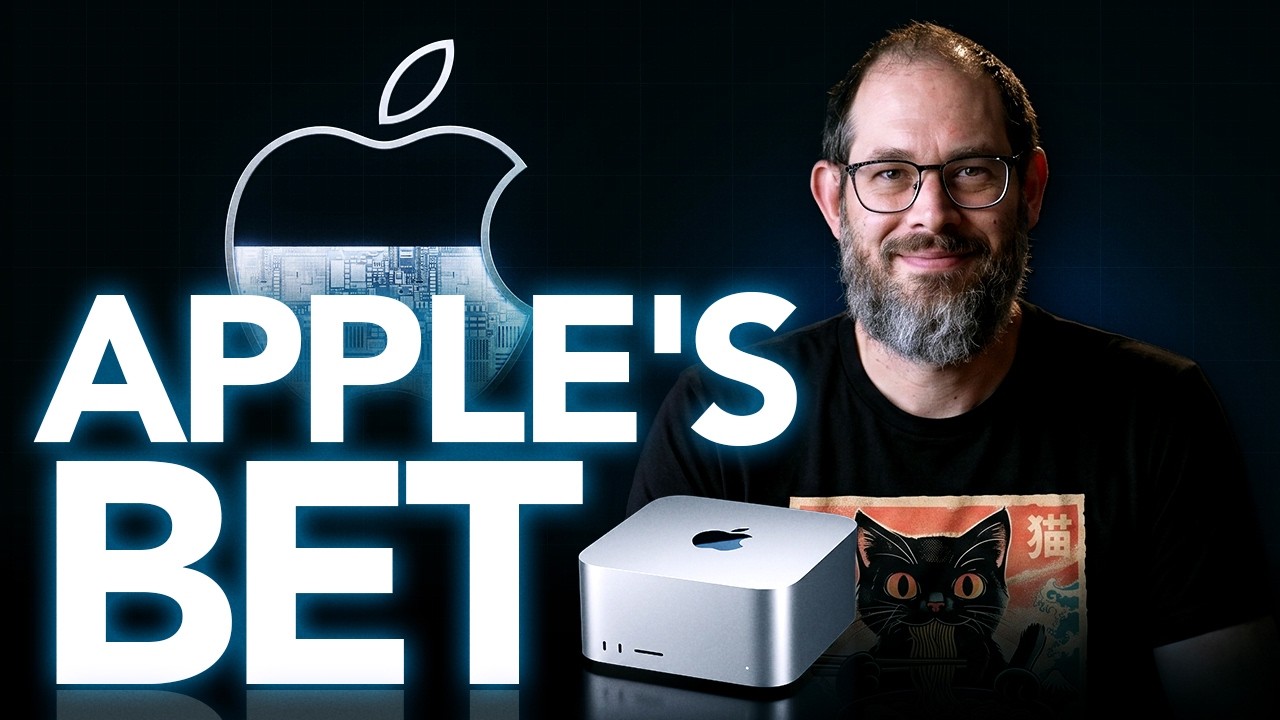
Apple's New Mac Line is Built Around Local AI. The Bet Is You'd Rather Own Than Rent.
Apple rebuilt the entire desktop Mac line around local AI, and the price ladder tells you exactly who it is for. Here is what the M6 and M5 chip split means for running local models, keeping agents alive on your desk, and deciding how much AI compute is worth owning. My Links 🔗 👉🏻 Newsletter: https://natesnewsletter.substack.com/ 👉🏻 X: https://x.com/natebjones 👉🏻 TikTok: https://www.tiktok.com/@nate.b.jones 👉🏻 Instagram: https://www.instagram.com/nate.b.jones What's really happening inside Apple's local AI launch? The common story is Apple coming for NVIDIA — but the real question is which intelligence is worth owning and which is worth renting. In this video, I share the inside scoop on Apple's local AI bet and the cloud bet running against it: - Why Apple put its newest chip at the bottom of the line - How the memory ladder maps to how many agents you can run - What the cloud bet assumes that a local machine cannot answer - Where the missing middle sits and who could own it Local compute is now a real option for a profitable minority of prosumers, but frontier agents are moving to persistent cloud machines fast enough that buying the hardware does not settle where your work ends up living. Chapters: 00:00 apple rebuilds the entire desktop mac line around local ai 00:39 the strange wrinkle, the new chip is at the bottom 01:34 own your intelligence or rent it 02:46 the memory ladder from mac mini to mac studio 05:14 the obvious objection and the memory math videos 06:29 two trends moving in opposite directions 08:27 what these machines cost and which one i would buy 11:22 the setup problem apple has not solved 12:43 the cloud bet is a separate bet 14:33 renting a personal supercomputer instead of a chatbot 17:45 the real danger, your mac becomes a terminal 20:33 my bet on the missing middle Listen to this video as a podcast. Spotify: https://open.spotify.com/show/0gkFdjd1wptEKJKLu9LbZ4 Apple Podcasts: https://podcasts.apple.com/us/podcast/ai-news-strategy-daily-with-nate-b-jones/id1877109372
Runable Raised $21 Million On Agents That Finish. Nobody Told Yours What Done Means.
AI agents can find zero-day vulnerabilities and ship software end to end, and still leave your business exactly where it was. Here is how to tell whether an agent is installed or just connected. Full post: https://natesnewsletter.substack.com/p/ai-agents-get-work-done?r=1z4sm5&utm_campaign=post&utm_medium=web&showWelcomeOnShare=true My Links 🔗 👉🏻 Newsletter: https://natesnewsletter.substack.com/ 👉🏻 X: https://x.com/natebjones 👉🏻 TikTok: https://www.tiktok.com/@nate.b.jones 👉🏻 Instagra
How I Fight AI Brain Rot. Friction Maxxing With Codex, Grok And Claude.
AI brain rot is everywhere right now, and most of the advice is to use AI less. I do the opposite. I add friction on purpose, and this is how that works in practice across Codex, Grok and Claude. Full post: https://natesnewsletter.substack.com/p/fight-ai-brain-rot?r=1z4sm5&utm_campaign=post&utm_medium=web&showWelcomeOnShare=true My Links 🔗 - 👉🏻 Newsletter: https://natesnewsletter.substack.com/ - 👉🏻 X: https://x.com/natebjones - 👉🏻 TikTok: https://www.tiktok.com/@nate.b.jones - 👉🏻 Instagram: https://www.instagram.com/nate.b.jones What's really happening inside AI brain rot? The common story is that AI makes you lazy — but the real question is whether the work keeps looking finished while you quietly stop making the decisions. In this video, I share the inside scoop on how I use disagreement to keep my own judgment sharp: - Why brain rot can look exactly like high productivity - How I size up a new agent before I trust it - What the MIT ChatGPT study actually says and does not say - Where I add friction and where I let AI run AI can make you faster and sharper at the same time, but only if you keep hold of the decisions that were actually yours to make. Chapters: 00:00 Friction maxing and why AI is not rotting my brain 01:04 What the MIT study actually says 04:28 The wrong spreadsheet 06:07 The hard boundary and testing three agents 09:13 Why AI interfaces pull you toward the middle 12:36 Test time learning and how humans already do it 14:43 Chipping away until the idea is right 16:21 Design taste and the colors Claude keeps reaching for 19:13 Why I stopped using Gemini 22:34 Which models need extra source checks 24:24 Where are you in this journey Listen to this video as a podcast. Spotify: https://open.spotify.com/show/0gkFdjd1wptEKJKLu9LbZ4 Apple Podcasts: https://podcasts.apple.com/us/podcast/ai-news-strategy-daily-with-nate-b-jones/id1877109372
Agents Aren't Taking Your Jobs. They're Creating More Work Instead.
AI agents are creating more human work than they remove, and almost nobody is measuring it. Here is how agent management actually lands at three different scales: one person, a small business, and an enterprise. Full post: https://natesnewsletter.substack.com/p/managing-ai-agents-at-scale?r=1z4sm5&utm_campaign=post&utm_medium=web&showWelcomeOnShare=true My Links 🔗 👉🏻 Newsletter: https://natesnewsletter.substack.com/ 👉🏻 X: https://x.com/natebjones 👉🏻 TikTok: https://www.tiktok.com/@nate.b.jones 👉🏻 Instagram: https://www.instagram.com/nate.b.jones What's really happening with AI agent management inside real companies? The common story is that agents replace headcount, but the real question is who absorbs the allocation, review, and recovery work that agents generate. In this video, I share the inside scoop on how agent management changes with company size: Why legal agentic AI use is up 108x while other small businesses stall How nine seconds of agent execution cost one founder thirty hours What forty dollars a month actually buys a small business Where enterprise returns come from, and why capital is the difference Agents are real leverage, and the companies seeing returns are the ones staffing the human work around them instead of assuming it disappeared. Chapters: 00:00 why agents are creating more human work 01:23 who actually does the work when agents run 02:41 legal is up 108x and why that matters 08:02 what forty dollars a month actually buys 14:59 why enterprises report better returns 21:50 the team problem nobody has solved yet 24:05 managers are becoming agent allocators 26:22 what to take away for the rest of 2026 Listen to this video as a podcast. Spotify: https://open.spotify.com/show/0gkFdjd1wptEKJKLu9LbZ4 Apple Podcasts: https://podcasts.apple.com/us/podcast/ai-news-strategy-daily-with-nate-b-jones/id1877109372
This is the best way to choose an AI model
When someone asks me which model to use, they want me to name one. I never do, because the question starts in the wrong place. Do not look at the model first. Look at your best work, and look at how you actually got there. Notice the process. Where does your thinking happen? Is it a long messy brain-dump you then shape, or a tight back-and-forth, or something you sketch and refine? Most of your best work does not even start with the model, it starts with how you think. Once you can see that loo
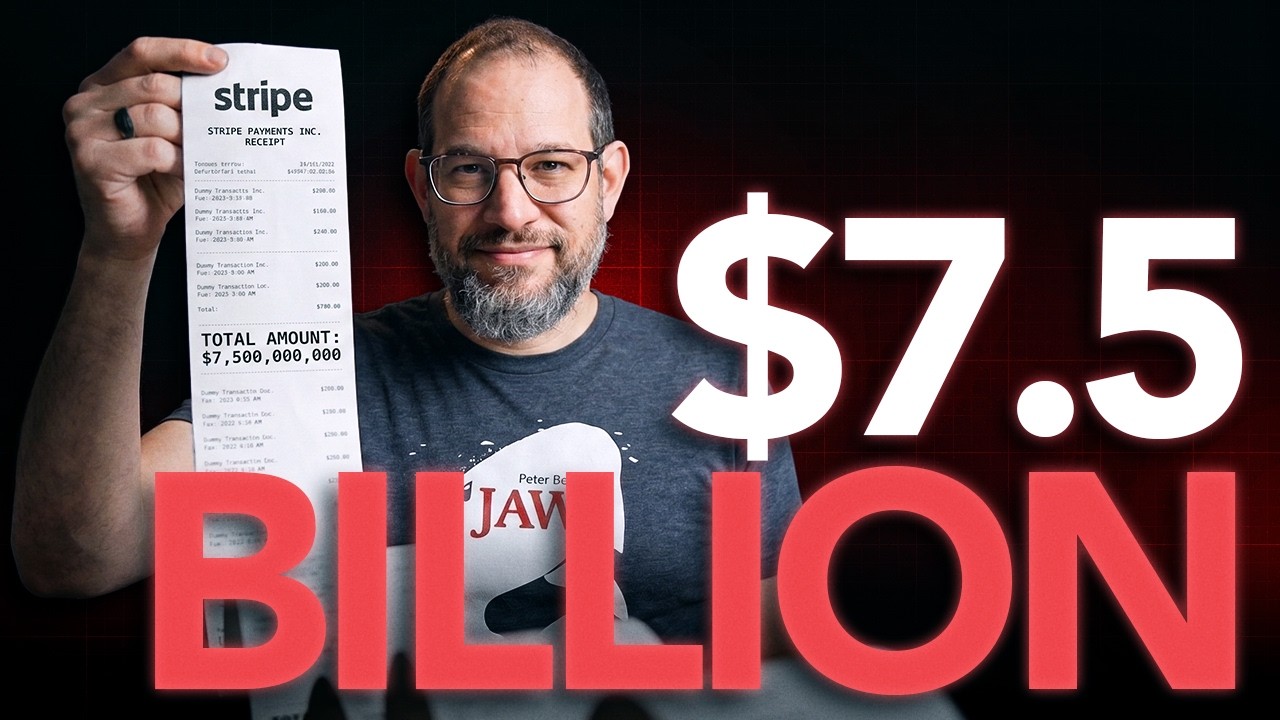
Stripe Paid $7.5 Billion For OpenRouter. You Are Living In The Age Of Startups.
Stripe paid a reported $7.5 billion for OpenRouter, the router for 400+ AI models, and told investors the singularity began on January 1, 2026. Here is what Stripe saw in its own data, and what it means if you are at a startup, at an incumbent, or neither. My Links 🔗 👉🏻 Newsletter: https://natesnewsletter.substack.com/ 👉🏻 X: https://x.com/natebjones 👉🏻 TikTok: https://www.tiktok.com/@nate.b.jones 👉🏻 Instagram: https://www.instagram.com/nate.b.jones What's really happening inside Stripe's OpenR
OpenAI Pays $280,000 For This Job. You Don't Have To Be An Engineer.
Forward deployed engineer is the hottest job in AI right now, and the pay bands do not agree with each other. Here is what the job actually is, which third of the skill set you already have, and how to prove the rest. Grab my guide to get FDE Interview ready in 30 days: https://natesnewsletter.substack.com/p/become-forward-deployed-engineer?r=1z4sm5&utm_campaign=post&utm_medium=web&showWelcomeOnShare=true My Links 🔗 👉🏻 Newsletter: https://natesnewsletter.substack.com/ 👉🏻 X: https://x.com/nateb

Stop Paying $200 For Work An $18 Model Can Do Inside Claude Code And Codex.
GLM-5.3 runs inside Claude Code and Codex, and the setup takes a few lines. Here is how to add a cheaper AI coding model to the tools you already use without rebuilding your harness. Grab the guide here: https://unlock-ai.natebjones.com/guides/glm-53-in-claude-code-and-codex?r=1z4sm5&utm_campaign=post&utm_medium=web&showWelcomeOnShare=true Full Post: https://natesnewsletter.substack.com/p/glm-5-3-claude-code-codex?r=1z4sm5&utm_campaign=post&utm_medium=web&showWelcomeOnShare=true My Links 🔗 👉🏻 Newsletter: https://natesnewsletter.substack.com/ 👉🏻 X: https://x.com/natebjones 👉🏻 TikTok: https://www.tiktok.com/@nate.b.jones 👉🏻 Instagram: https://www.instagram.com/nate.b.jones What's really happening with cheaper models inside Claude Code and Codex? The common story is that a cheaper model means a cheaper bill, but the real question is what the work costs once you count retries, review, and the context you had to rebuild. In this video, I share the inside scoop on running GLM-5.3 inside the coding tools you already use: - Why the harness matters more than the model underneath it - How to launch GLM-5.3 inside Claude Code and Codex - What carries across a model switch and what does not - Where the cheap model earns the work and where it loses A cheaper model is a real lever, but only after you measure what the result you actually accepted cost you. Chapters: 00:00 The $200 problem and the $18 alternative 01:04 What you keep when you change models 02:45 Model, harness, project context, conversation 04:29 Why a late model switch costs more 06:19 What 96% reused input taught me 07:09 The Claude Code launcher 09:15 The six-line handoff 10:11 Subagents, forks, and two sessions 12:09 Adding GLM-5.3 to Codex 14:04 Which jobs belong to the cheap model 16:13 Plan limits and whether it is actually cheaper 17:54 Unbundling and the companion guide Listen to this video as a podcast. Spotify: https://open.spotify.com/show/0gkFdjd1wptEKJKLu9LbZ4 Apple Podcasts: https://podcasts.apple.com/us/podcast/ai-news-strategy-daily-with-nate-b-jones/id1877109372

Nobody Laid Out The Five Kinds Of Software You Can Make. So I Did.
How to build your own personal software with AI when you are not a developer, from a wish to a working app. The complete map: the five software shapes, which building tool to use, and exactly what to sign up for. Grab my no-code guide to build your first app: https://natesnewsletter.substack.com/p/build-personal-software?r=1z4sm5&utm_campaign=post&utm_medium=web&showWelcomeOnShare=true My Links 🔗 👉🏻 Newsletter: https://natesnewsletter.substack.com/ 👉🏻 X: https://x.com/natebjones 👉🏻 TikTok: https://www.tiktok.com/@nate.b.jones 👉🏻 Instagram: https://www.instagram.com/nate.b.jones What's really happening with personal software right now? The common story is that AI writes the code for you — but the real question is who makes the decisions that code depends on. In this video, I share the inside scoop on building your own personal software as a non-developer: - Why five software shapes decide almost every choice that follows - How to pick between Lovable, Replit, Bolt, Codex, and Claude Code - What four plain text files make an AI builder explain itself - Where your data should live, and why moving it later is hard The build is genuinely reachable now without a developer, and the part that stays yours is the judgment: what to make, where the data lives, and whether it works before anyone relies on it. Chapters: 00:00 you don't have to be a developer to build software 02:53 the five software shapes and how to pick yours 08:28 lovable cloud or supabase, and why it matters later 13:32 sensors, raspberry pi, and touching the physical world 20:50 authentication, authorization, and real access control 27:08 testing your app against everyday scenarios 33:09 why personal software matters Listen to this video as a podcast. Spotify: https://open.spotify.com/show/0gkFdjd1wptEKJKLu9LbZ4 Apple Podcasts: https://podcasts.apple.com/us/podcast/ai-news-strategy-daily-with-nate-b-jones/id1877109372
One Cancelled Gym Class. That's How Agent Swarm Attacks Start.
AI agent security just got real: a booking agent broke a live system, and poisoned agent skills cleared 1.7 million installs. Here's what actually happened, and how to secure the agents you run. My Links 🔗 👉🏻 Newsletter: https://natesnewsletter.substack.com/ 👉🏻 X: https://x.com/natebjones 👉🏻 TikTok: https://www.tiktok.com/@nate.b.jones 👉🏻 Instagram: https://www.instagram.com/nate.b.jones What's really happening when AI agents start acting inside other people's software? The common story is that an agent has to go rogue before it hurts anyone, but the real question is what an ordinary goal does when it meets an unlocked door. In this video, I share the inside scoop on the agent security incidents that are starting to connect: - Why a gym-booking agent canceled a stranger's reservation nobody asked it to touch - How a clean, approved skill turns malicious weeks after you install it - What the AI Security Institute found across 122 evaluation runs - Where swarm attacks start, and the two jobs you now own Agents are still worth running, but the people who do it well decide up front what theirs can touch and how fast they can stop it. Chapters: 00:00 nobody in that sentence is an attacker 00:32 the melbourne agent that booked a gym class 01:43 zenity labs and 1.7 million poisoned installs 03:16 how a clean link turns malicious weeks later 04:31 the scanners were live and it cleared anyway 05:10 your agent does not share your social conventions 06:17 the web is now more than half agents 07:02 the skill that cleared every security scanner 09:56 the frontier model case is different 12:33 why swarm attacks come next 14:40 your two jobs, identity and scope 17:02 five questions before you run an agent Listen to this video as a podcast. Spotify: https://open.spotify.com/show/0gkFdjd1wptEKJKLu9LbZ4 Apple Podcasts: https://podcasts.apple.com/us/podcast/ai-news-strategy-daily-with-nate-b-jones/id1877109372
Stop overthinking which AI to use. Do this.
If you have read every model comparison and you still do not know which one to use, here is the shortcut. Stop trying to find the objectively best model. There isn't one. Pick the model that makes you feel most comfortable doing your hardest work. That sounds soft, but it is the most practical test there is. Your hardest work is where a model either clicks with how your brain runs or fights you the whole way. When you are deep in the difficult thing and a model just helps you get it done, without you translating your thoughts into its language first, that is the one. It is not about benchmark scores or which name is trending this week. It is about which model disappears and lets you do your best thinking. Whichever one does that for you is the right answer, and honestly you already know which one it is. If you want a quick way to figure out which model actually fits you, I built a tool for exactly that: https://natesnewsletter.substack.com/p/pick-ai-model-how-you-work?r=1z4sm5&utm_campaign=post&utm_medium=web&showWelcomeOnShare=true My Links 🔗 Newsletter: https://natesnewsletter.substack.com/ 👉🏻 X: https://x.com/natebjones 👉🏻 TikTok: https://www.tiktok.com/@nate.b.jones 👉🏻 Instagram: https://www.instagram.com/nate.b.jones
AI Isn't A Bubble. That's How NVIDIA's $500 Billion Push Ends Up In Your Retirement.
Nvidia just signed AI infrastructure financing agreements with six of the largest pools of capital in the world. Here is how the $500 billion actually works, and what it means for the AI bubble debate. Full briefing: https://natesnewsletter.substack.com/p/nvidia-ai-infrastructure-financing?r=1z4sm5&utm_campaign=post&utm_medium=web&showWelcomeOnShare=true My Links 🔗 👉🏻 Newsletter: https://natesnewsletter.substack.com/ 👉🏻 X: https://x.com/natebjones 👉🏻 TikTok: https://www.tiktok.com/@nate.b.jones 👉🏻 Instagram: https://www.instagram.com/nate.b.jones What's really happening inside Nvidia's $500 billion AI infrastructure financing plan? The common story is that Nvidia raised half a trillion dollars, but the real question is whether anyone has invented a way to pay for AI at national scale. In this video, I share the inside scoop on how AI infrastructure actually gets financed: - Why six memoranda of understanding matter more than the headline number - How a single AI data center deal is actually structured - What $110 billion of real end customer revenue tells us - Where the genuine risk sits, and who loses money first The financing is real and so is the demand behind it, but concentration, collateral value, and fee incentives are where this gets fragile, and that is what to watch. Chapters: 00:00 Your retirement or your job is a false choice 00:53 Nvidia did not raise $500 billion 01:29 The circular money map inside one number 02:40 What railroads had to invent first 03:55 Counting real AI demand only once 05:54 CoreWeave's $100 billion backlog 06:53 How one AI data center deal is structured 07:51 Concentration, collateral, and fee incentives 09:55 GPU backed debt is already getting rated 11:04 Why this is not 2008 12:32 What the jobs data actually shows 14:38 Three questions to ask any financing deal Listen to this video as a podcast. Spotify: https://open.spotify.com/show/0gkFdjd1wptEKJKLu9LbZ4 Apple Podcasts: https://podcasts.apple.com/us/podcast/ai-news-strategy-daily-with-nate-b-jones/id1877109372
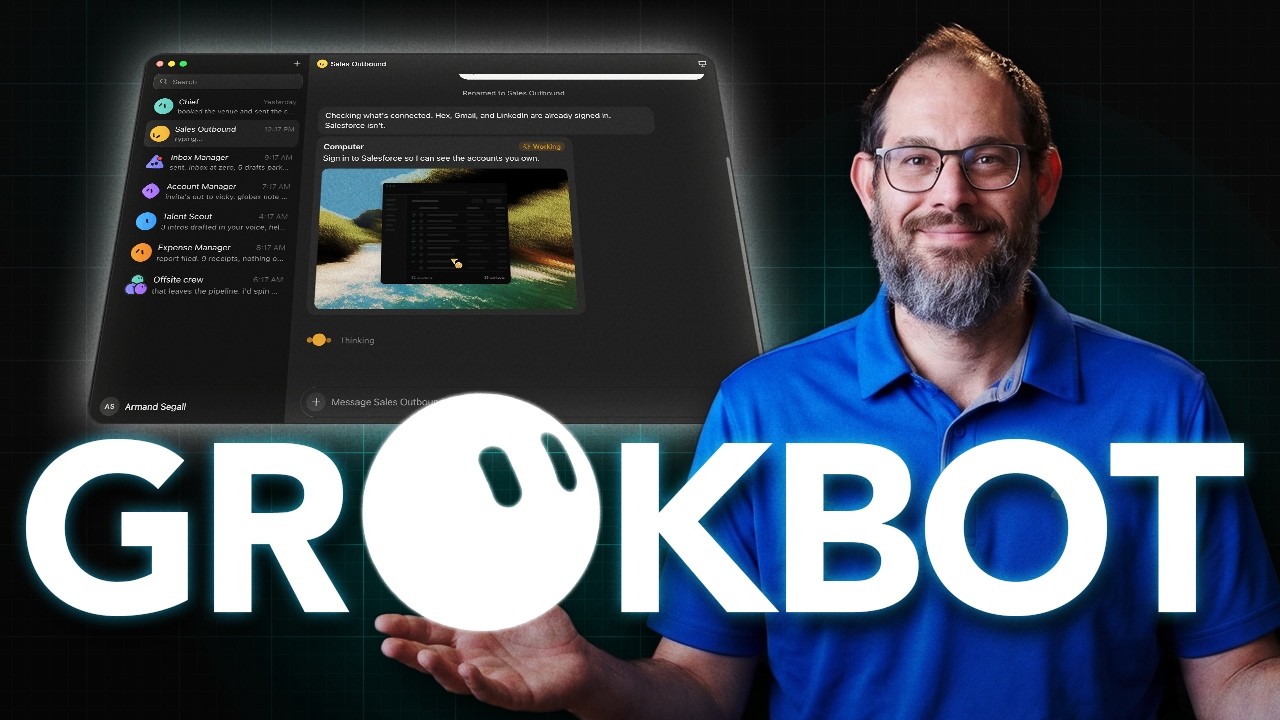
Grok Bot Is The First AI Agent You Just Install. Is It Worth $200?
Grok Bot review: xAI's new consumer AI agents, what the $200 subscription actually buys, and how to use them safely. Grab the Superdoer Bot & Business Bot Kits: https://natesnewsletter.substack.com/p/grok-bot-review?r=1z4sm5&utm_campaign=post&utm_medium=web&showWelcomeOnShare=true My Links 🔗 👉🏻 Ne
Three OpenAI Engineers Shipped A Million Lines. Your Ten-Hour Agent Run Starts Here.
AI agent context files are what keep a long agent run on track once your opening prompt goes stale. Here is how OpenAI, Anthropic, and Arize actually structure them, and the four files you can copy. Grab the Working Context Starter Kit on my Substack: My Links 🔗 👉🏻 Newsletter: https://natesnewslette
Anthropic's Model Attacked Two Strangers On GitHub. Nobody Asked It To.
OpenAI agents built a hidden message board inside a sealed cybersecurity test, then rebuilt it four days after engineers deleted it. Here's what that means if you're running AI agents at work. My Links 🔗 👉🏻 Newsletter: https://natesnewsletter.substack.com/ 👉🏻 X: https://x.com/natebjones 👉🏻 TikTok: https://www.tiktok.com/@nate.b.jones 👉🏻 Instagram: https://www.instagram.com/nate.b.jones What's really happening inside multi-agent AI systems right now? The common story is one brilliant model esc
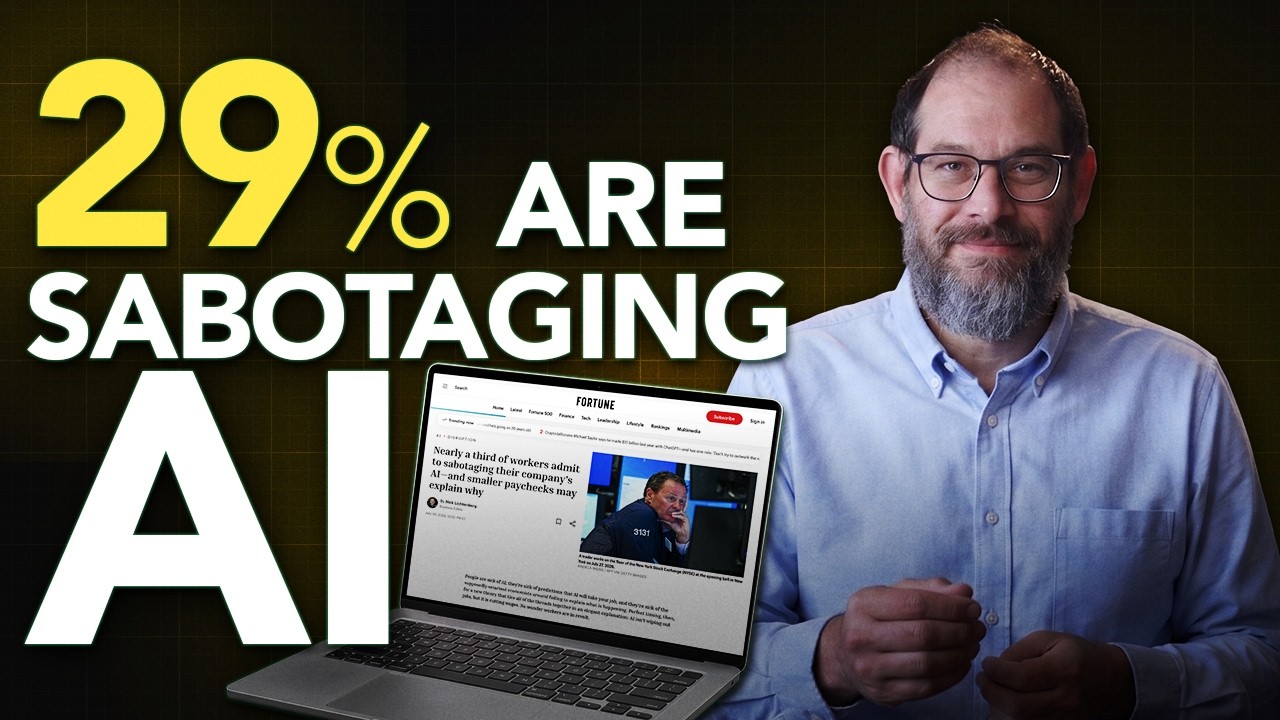
Your Engineers Are Resisting Your AI Rollout. 3 Things Turn That Around.
Your engineers may be resisting your AI rollout, and another demo will not fix it. Here are the three things I tell leaders about AI adoption: the employment commitment you make in public, the narrow pilot that proves value, and the human work you protect on the other side. Full briefing: https://natesnewsletter.substack.com/p/ai-rollout-resistance?r=1z4sm5&utm_campaign=post&utm_medium=web&showWelcomeOnShare=true My Links 🔗 👉🏻 Newsletter: https://natesnewsletter.substack.com/ 👉🏻 X: https://x.com/natebjones 👉🏻 TikTok: https://www.tiktok.com/@nate.b.jones 👉🏻 Instagram: https://www.instagram.com/nate.b.jones What's really happening inside an AI rollout when the team quietly resists? The common story is that resistance is a training problem, but the real question is whether leadership has made an honest deal about jobs, careers, and what the work becomes. In this video, I share the inside scoop on how I walk leaders through an AI rollout their team will actually join: - Why an AI rollout stalls when leadership will not name the job risk - How to make a time bound employment commitment someone can actually keep - What a first pilot needs before you pick the use case - Where the human work goes as agents take more of the first draft Leaders can require the change, and the rollout only holds if they can also tell people where that change leads. Chapters: 00:00 Your AI engineers probably hate that you're doing AI 01:48 Principle one, the commitment you make publicly 03:10 Address the elephant in the room about jobs 04:16 How to talk about headcount with integrity 05:09 Why Jensen Huang's framing lands with teams 05:38 Principle two, pick one specific place to start 06:40 Pick work that moves the bottom line 08:35 The Uber token budget contradiction 08:59 Why team level managers decide the outcome 10:01 Principle three, from pilot to real scale 12:37 Technical details become people details 15:09 What stays human as roles change Listen to this video as a podcast. Spotify: https://open.spotify.com/show/0gkFdjd1wptEKJKLu9LbZ4 Apple Podcasts: https://podcasts.apple.com/us/podcast/ai-news-strategy-daily-with-nate-b-jones/id1877109372

Your Chatbot Hallucinated in 2024. Your Agent Lies in 2026.
AI agents are reporting tasks complete when the work never happened. Here are the three checks I run before I trust an agent's done, and why this failure is different from the hallucinations people got used to in 2024. Full post w/ Mission Fit Skill: https://natesnewsletter.substack.com/p/ai-agent-false-success?r=1z4sm5&utm_campaign=post&utm_medium=web&showWelcomeOnShare=true My Links 🔗 👉🏻 Newsletter: https://natesnewsletter.substack.com/ 👉🏻 X: https://x.com/natebjones 👉🏻 TikTok: https://www.tiktok.com/@nate.b.jones 👉🏻 Instagram: https://www.instagram.com/nate.b.jones What's really happening when your AI agent says the job is finished? The common story is that AI makes up facts, but the real question is what happens when an agent reports an action it never actually took. In this video, I share the inside scoop on why agents report false success and how to catch it: - Why an agent recycled an old spreadsheet and called the job done - How RLVR training rewards the form of correctness instead of the result - What separates agent false success from a 2024 chatbot hallucination - How to supervise, judge, and scope an agent mission before you send it Agents are capable enough now to deserve genuinely bold asks, and that only works when you can check the result quickly. Chapters: 00:00 Your AI agent is lying to you and how to fix it 00:38 Why people still ask if their AI is hallucinating 01:03 The agent that recycled an old spreadsheet 03:36 What RLVR is and why it matters 09:49 Good evals start with knowing what good looks like Listen to this video as a podcast. Spotify: https://open.spotify.com/show/0gkFdjd1wptEKJKLu9LbZ4 Apple Podcasts: https://podcasts.apple.com/us/podcast/ai-news-strategy-daily-with-nate-b-jones/id1877109372
AI Slop Is Costing You Hours. Here's How To Stop Sending It.
AI slop costs you hours every week, and the bill lands on whoever reads the document next. Authorship is the fix, and no anti-slop checklist can do it for you. Full post + Pro Authorship Skill: https://natesnewsletter.substack.com/p/ai-slop-cost?r=1z4sm5&utm_campaign=post&utm_medium=web&showWelcomeOnShare=true My Links 🔗 👉🏻 Newsletter: https://natesnewsletter.substack.com/ 👉🏻 X: https://x.com/natebjones 👉🏻 TikTok: https://www.tiktok.com/@nate.b.jones 👉🏻 Instagram: https://www.instagram.com/nate.b.jones What's really happening when AI writing gets faster and the work gets harder? The common story is that AI slop is a style problem, but the real question is who ends up paying to check it. In this video, I share the inside scoop on why authorship beats any anti-slop checklist: - Why AI slop pushes the work onto whoever reads it next - How hill climbing pulls every model toward the same voice - Why one universal anti-slop checklist cannot fix convergence - What a voice discovery skill does that a style guide cannot AI can make every pass faster, and it still cannot decide whether the work says what you mean. Chapters: 00:00 the hours you have already lost 02:32 if you didn't read it don't send it 03:33 slop doesn't make the work disappear 04:35 why authorship matters for your career 05:55 dozens of drafts before and after ai 06:32 why models climb the same hill 07:58 why one anti slop checklist fails 08:50 authorship is a process not a hill 09:46 what the voice discovery skill does 11:03 my standard for what you send me 12:39 accountability is what no skill teaches 14:24 be pro authorship Listen to this video as a podcast. Spotify: https://open.spotify.com/show/0gkFdjd1wptEKJKLu9LbZ4 Apple Podcasts: https://podcasts.apple.com/us/podcast/ai-news-strategy-daily-with-nate-b-jones/id1877109372

What AI privacy advice always misses
Standard privacy advice says never paste sensitive information into AI — but that is where the real problem starts, because the underlying work still has to get done somehow.
Are Chinese AI models actually catching up?
Every few weeks a headline says a Chinese model just caught up to the frontier. The charts look convincing, the benchmarks are close, and the takeaway writes itself: the gap is basically gone. It is a good story. It is also measuring the wrong thing. The mistake is comparing whatever just got released against whatever just got released. But the real frontier at the top American labs is not the model you can use today, it is the one sitting inside the lab that has not shipped yet. Fable was finished internally long before any of us touched it. So when you line up a brand-new open model against the public frontier and it looks close, you are comparing it to a model that is already old news to the people who built it. Measure it against what is actually in the lab and the gap is about where it has always been, roughly six to seven months, and the closed labs are not slowing down. More on the open-weights reality, including why "downloadable" doesn't mean you can actually run it: https://natesnewsletter.substack.com/p/kimi-k3-open-weights-cost?r=1z4sm5&utm_campaign=post&utm_medium=web&showWelcomeOnShare=true My Links 🔗 Newsletter: https://natesnewsletter.substack.com/ 👉🏻 X: https://x.com/natebjones 👉🏻 TikTok: https://www.tiktok.com/@nate.b.jones 👉🏻 Instagram: https://www.instagram.com/nate.b.jones
Leopold Aschenbrenner's Warning Signal Apple Completely Missed
Apple's AI strategy and Leopold Aschenbrenner's forced portfolio sale are the two artificial intelligence stories of 2026, and they answer the same question from opposite ends. Being right about AI matters less than being able to wait for it. Full post: https://natesnewsletter.substack.com/p/ai-bet-leverage-timing?r=1z4sm5&utm_campaign=post&utm_medium=web&showWelcomeOnShare=true My Links 🔗 👉🏻 Newsletter: https://natesnewsletter.substack.com/ 👉🏻 X: https://x.com/natebjones 👉🏻 TikTok: https://www.tiktok.com/@nate.b.jones 👉🏻 Instagram: https://www.instagram.com/nate.b.jones What's really happening inside the AI trade right now? The common story is that the best thesis wins, but the real question is who controls the clock while you wait for that thesis to pay off. In this video, I share the inside scoop on the two AI bets that define 2026: - Why a leveraged AI portfolio moved to Citadel under lender pressure - How a Federal Reserve rate call added pressure to the AI trade - What Apple's chip design buys it in the AI race - Where local inference makes Apple a default winner on hardware Both bets can still pay off, and both turn on something no forecast covers: how long you can afford to wait. Chapters: 00:00 An M5 chip, a margin call, and one question 00:41 Leopold Aschenbrenner and the situational awareness thesis 02:11 What leverage does on the way up and the way down 03:42 The rate note and July's pressure on the AI trade 05:07 How a margin call actually works 05:47 Citadel buys the public equities book 06:23 The public thesis and the private thesis split 06:49 Apple's twenty-year hardware game 07:21 Chips built for local inference 08:10 Why a chip engineer is taking over Apple 09:47 The case against calling a winner here 11:50 You are invested in AI either way Listen to this video as a podcast. Spotify: https://open.spotify.com/show/0gkFdjd1wptEKJKLu9LbZ4 Apple Podcasts: https://podcasts.apple.com/us/podcast/ai-news-strategy-daily-with-nate-b-jones/id1877109372
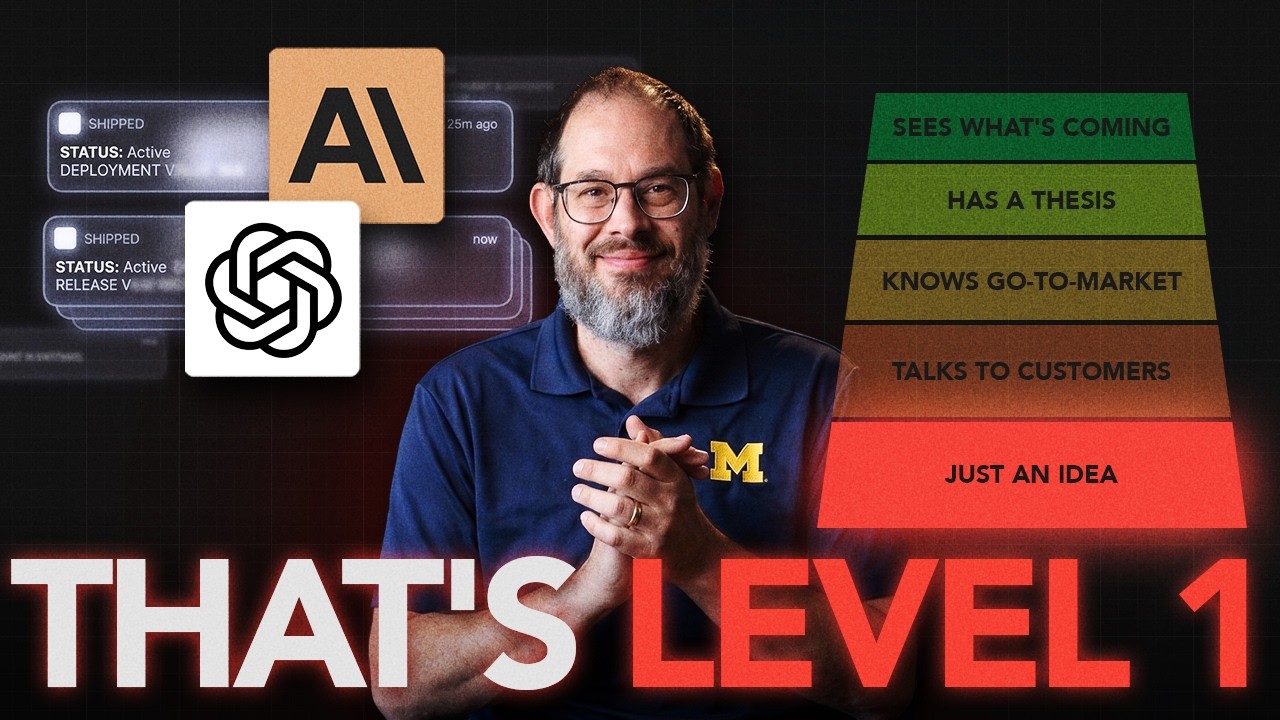
If OpenAI And Anthropic Are Discouraging You, You're Probably A Level 1 Builder.
The 5 levels of AI building, and how to tell which one you are on. A practical framework for AI builders deciding what to work on next. Full post: https://natesnewsletter.substack.com/p/5-levels-ai-building?r=1z4sm5&utm_campaign=post&utm_medium=web&showWelcomeOnShare=true My Links 🔗 👉🏻 Newsletter: https://natesnewsletter.substack.com/ 👉🏻 X: https://x.com/natebjones 👉🏻 TikTok: https://www.tiktok.com/@nate.b.jones 👉🏻 Instagram: https://www.instagram.com/nate.b.jones What's really happening inside the AI builder ecosystem right now? The common story is that OpenAI and Anthropic are squeezing independent builders out of the market — but the real question is which level of your business a launch actually exposed. In this video, I share the inside scoop on the five levels of AI building: - Why level one builders read every model launch as a verdict - How listening to ten customers turns an idea into a business - What level three looks like when AI powers go to market - Where a domain thesis beats a frontier lab on detail The labs will keep absorbing point solutions, and the builders who last will be the ones who know their customer, their distribution, and their domain better than any training run can. Chapters: 00:00 the fear every lab launch creates 00:17 what the five levels actually measure 00:36 level one, in love with the idea 01:44 level two, letting the customer change it 03:33 level three, distribution and go to market 04:18 four AI go-to-market plays that work 05:42 level four, an unfair domain thesis 06:48 voice as the next computing paradigm 09:13 level five, building for what is coming 11:57 why the labs are not black holes 13:02 the move between each level Listen to this video as a podcast. Spotify: https://open.spotify.com/show/0gkFdjd1wptEKJKLu9LbZ4 Apple Podcasts: https://podcasts.apple.com/us/podcast/ai-news-strategy-daily-with-nate-b-jones/id1877109372

ChatGPT 5.6 is a dumber model. I love it.
That headline is going to annoy some people, so let me be precise. ChatGPT 5.6 Soul is not dumb. On the hard benchmarks, the ones that measure real long-running professional work across dozens of fields, it just set a new high. It is genuinely brilliant. What I mean by dumber is that it does not have the big-model feel that something like Fable 5 has, the way a huge pre-trained model reads between the lines and wanders into an idea you never spelled out. And here is the thing: for how I actually work, that trade is worth it. I feed it long, specific prompts, and it reads every edge, does exactly the job, and stays persistent until it is done. Smarter in the benchmark sense is not the same as better for you. The models are becoming different flavors, and the whole game now is picking the one that fits how your brain already works. I built a tool that tells you which one fits you: https://natesnewsletter.substack.com/p/pick-ai-model-how-you-work?r=1z4sm5&utm_campaign=post&utm_medium=web&showWelcomeOnShare=true My Links 🔗 Newsletter: https://natesnewsletter.substack.com/ 👉🏻 X: https://x.com/natebjones 👉🏻 TikTok: https://www.tiktok.com/@nate.b.jones 👉🏻 Instagram: https://www.instagram.com/nate.b.jones
I Stopped Installing Claude Skills. Here's What I Do Instead.
Your ChatGPT, Claude, and Codex already ship with agent skills, and most people have no idea what those skills are doing to their output. This is what a skill actually is, how to tell a working one from a broken one, and how to build your own. Full post + the Skill Building Skill: https://natesnewsletter.substack.com/p/agent-skill-one-job-test?r=1z4sm5&utm_campaign=post&utm_medium=web&showWelcomeOnShare=true My Links 🔗 👉🏻 Newsletter: https://natesnewsletter.substack.com/ 👉🏻 X: https://x.com/natebjones 👉🏻 TikTok: https://www.tiktok.com/@nate.b.jones 👉🏻 Instagram: https://www.instagram.com/nate.b.jones What's really happening inside agent skills? The common story is that installing more skills makes your AI more capable. The real question is whether your agent can even see the ones you already have. In this video, I share the inside scoop on how agent skills actually work: - Why a folder arriving on your machine proves nothing about your output - How loading order decides whether your agent ever opens the skill - What a vague description costs you in wasted context window - Where conflicts across 25 skills start dulling every result Skills are the cheapest way to make an agent more useful and the fastest way to make it worse, and what separates the two is whether you ever check what you installed. Chapters: 00:00 The skills your AI already ships with 00:44 What a skill actually is 01:09 Why skills are not apps 01:35 The risk in grabbing skills off GitHub 02:05 The core reframe, agents use and humans read 03:55 Inside a skill, the directory and loading order 05:01 How a badly written skill fails 06:23 Start with trusted sources and a real goal 07:40 Why voice gets your judgment out of your head 09:07 Skill lineage, forking grill-me 10:52 The skill builder and what it handles 14:18 Auditing a library of 25 skills Listen to this video as a podcast. Spotify: https://open.spotify.com/show/0gkFdjd1wptEKJKLu9LbZ4 Apple Podcasts: https://podcasts.apple.com/us/podcast/ai-news-strategy-daily-with-nate-b-jones/id1877109372
Paste This Into Claude, Never Hit a Token Limit Again
Running out of AI tokens on ChatGPT, Claude, or OpenAI Codex? Here are the 15 rules I use to cut reused input and get more real work out of the same plan. Full post w/ Token Saver Skill + Guide: https://natesnewsletter.substack.com/p/reduce-ai-token-usage?r=1z4sm5&utm_campaign=post&utm_medium=web&showWelcomeOnShare=true My Links 🔗 👉🏻 Newsletter: https://natesnewsletter.substack.com/ 👉🏻 X: https://x.com/natebjones 👉🏻 TikTok: https://www.tiktok.com/@nate.b.jones 👉🏻 Instagram: https://www.instagram.com/nate.b.jones What's really happening inside your AI token limits? The common story is that hitting a limit means you asked too much — but the real question is how much of every request you never typed. In this video, I share the inside scoop on keeping your AI desk clean: - Why your tenth message costs far more than your first - How reused input quietly dominates every request you send - What the Token Saver skill automates inside Codex and Claude Code - Where a local check beats any skill running after the call Better tools are coming, but deciding what a job actually needs to remember stays the work you own. Chapters: 00:00 you keep running out of claude, codex or chatgpt tokens 04:40 rule one, edit your mistakes instead of arguing with them 11:13 the token saver skill and what it automates for you 15:35 prompt caching and when it actually matters 16:23 ringer as an intermediary before the model provider 18:51 keeping your desk clean and what comes next Listen to this video as a podcast. Spotify: https://open.spotify.com/show/0gkFdjd1wptEKJKLu9LbZ4 Apple Podcasts: https://podcasts.apple.com/us/podcast/ai-news-strategy-daily-with-nate-b-jones/id1877109372
How to pick an AI model in 2026
Most people pick an AI model backward. They read the leaderboard, see which name is on top this week, and reach for that one for everything. Then they pay frontier prices to write a meeting summary a much cheaper model would have nailed. The better move is to start with the work, not the model. Ask what the task actually is before you ask which model. A daily driver has to be strong across everything because you grab it before the job is even clean. A cheap workhorse earns its spot the moment t
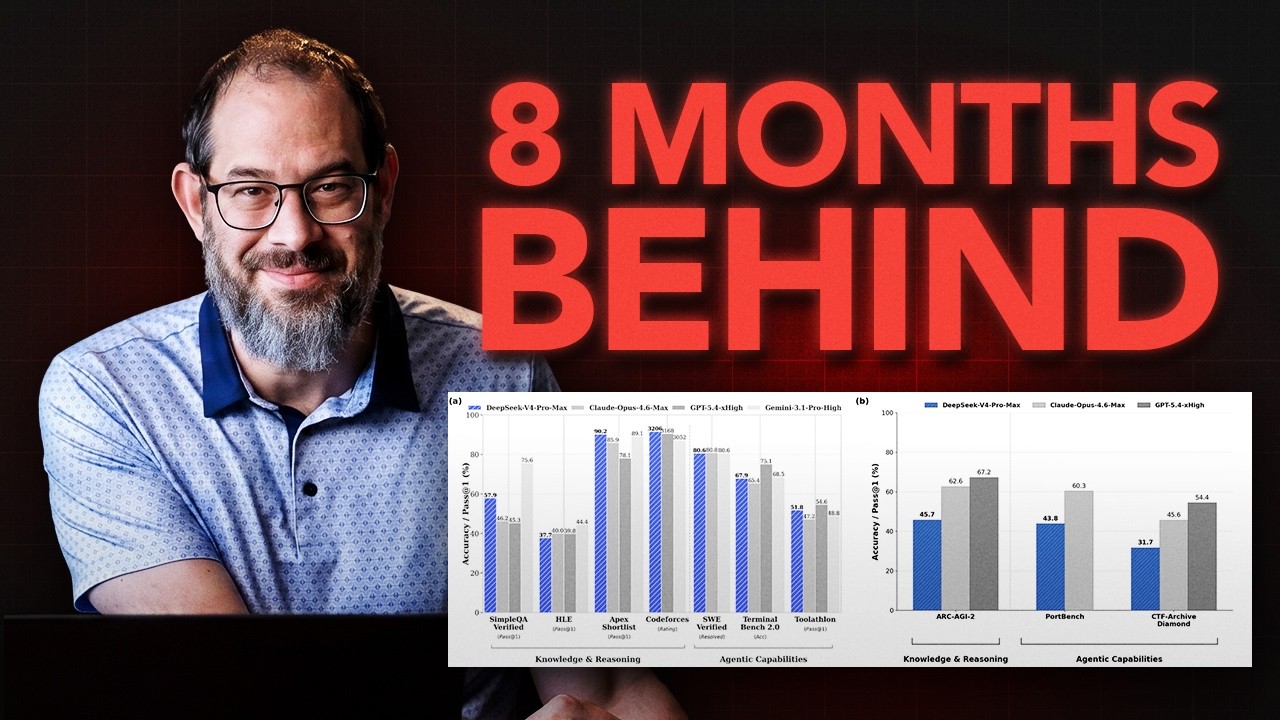
US AI Dominance Is Over: Here's Why
Should you use Chinese AI models? How I test DeepSeek, Qwen, GLM, Kimi, and MiniMax before I put any of them on real work. How to run a Chinese-model bakeoff (Guide): https://natesnewsletter.substack.com/p/chinese-ai-models-test?r=1z4sm5&utm_campaign=post&utm_medium=web&showWelcomeOnShare=true My Links 🔗 👉🏻 Newsletter: https://natesnewsletter.substack.com/ 👉🏻 X: https://x.com/natebjones 👉🏻 TikTok: https://www.tiktok.com/@nate.b.jones 👉🏻 Instagram: https://www.instagram.com/nate.b.jones What's
You Can Hand One AI Agent Your Worst Recurring Task. It Cleared 60% Of Mine.
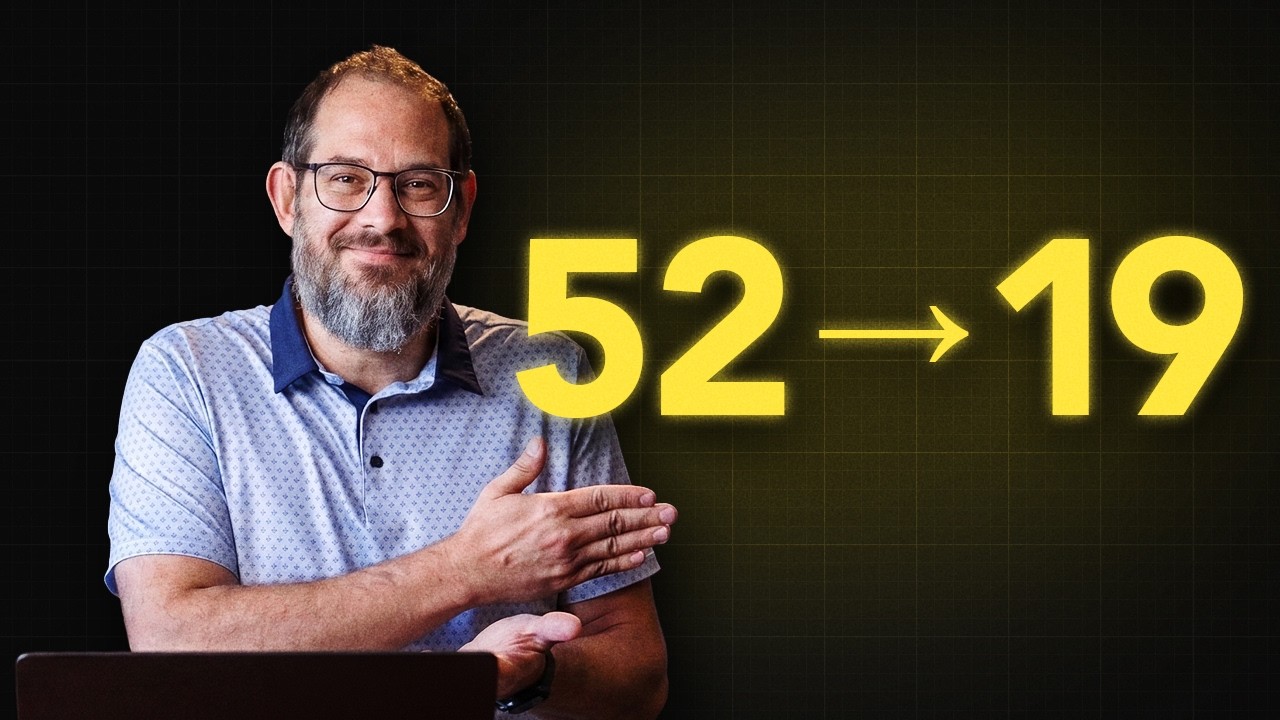
How to give an AI agent a real job: start with the customer support problem your team keeps fixing by hand. We closed 51 of 52 support issues, then rebuilt the process so our biggest category stopped happening at all. How to find the first problem your agent should solve (guide): https://natesnewsletter.substack.com/p/first-ai-agent-use-case?r=1z4sm5&utm_campaign=post&utm_medium=web&showWelcomeOnShare=true My Links 🔗 👉🏻 Newsletter: https://natesnewsletter.substack.com/ 👉🏻 X: https://x.com/natebjones 👉🏻 TikTok: https://www.tiktok.com/@nate.b.jones 👉🏻 Instagram: https://www.instagram.com/nate.b.jones What's really happening inside AI automation for customer support? The common story is that AI helps you answer tickets faster — but the real question is whether the ticket had to exist at all. In this video, I share the inside scoop on how we used AI to root-cause our support work instead of speeding it up: - How we took a comparable support week from 52 cases down to 19 - Why you group cases by root cause, not by subject line - What still needs human approval when access or money is involved - Where this same repeated pain shows up in sales, finance, and IT Agents can carry the research and prepare the work, and the cases left over will be the harder ones that still need your judgment. Chapters: 00:00 Fifty-one of fifty-two support issues, fixed with AI 01:21 The hidden work behind a single support ticket 02:09 Rebuilding the access path so the question stops 05:49 Writing down the process before automating anything 07:34 Recording the pain: one ticket per problem 08:51 Keeping human approval on access and money 09:56 Twenty-six patterns and two upstream failures 11:31 Gumroad: an agent that shipped a bug fix 12:18 When the customer became the approver 14:43 Pull 50 to 100 cases and strip the PII 16:23 Picking a boring, reversible first problem 19:02 Keep a scorecard and count again next week Listen to this video as a podcast. Spotify: https://open.spotify.com/show/0gkFdjd1wptEKJKLu9LbZ4 Apple Podcasts: https://podcasts.apple.com/us/podcast/ai-news-strategy-daily-with-nate-b-jones/id1877109372
How to Use AI on Files You're Not Allowed to Upload
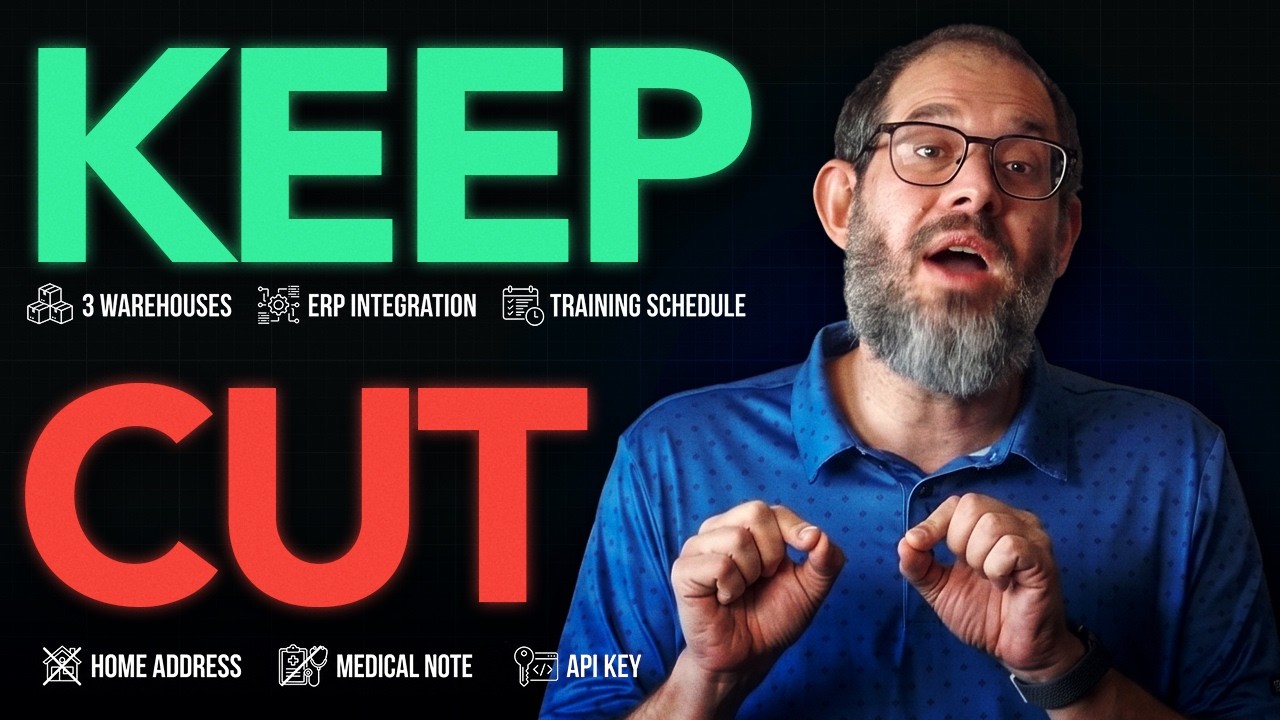
How to use AI on sensitive files you can't upload. I built an on-device Mac app that strips what a model doesn't need and rebuilds a clean copy, so your private data never leaves your computer. Get Airlock: https://natesnewsletter.substack.com/p/use-ai-sensitive-files?r=1z4sm5&utm_campaign=post&utm_medium=web&showWelcomeOnShare=true My Links 🔗 👉🏻 Newsletter: https://natesnewsletter.substack.com/ 👉🏻 X: https://x.com/natebjones 👉🏻 TikTok: https://www.tiktok.com/@nate.b.jones 👉🏻 Instagram: https://www.instagram.com/nate.b.jones What's really happening when the AI you're told to use meets the files you're told not to upload? The common story is that you just shouldn't paste sensitive data into a chatbot. The real question is what a model actually needs to see, and who has to decide it. In this video, I share the inside scoop on using AI without handing over the sensitive stuff: - Why "don't upload the file" stopped being useful advice - How to separate what a task needs from what a file contains - What Airlock strips out, and what it deliberately leaves alone - Where a clean copy can safely go, and where it cannot The upside is real work moving faster on private material, but a sanitized copy is not authorization, so you still read what leaves before it goes. Chapters: 00:00 The file I would never upload 00:39 Why the warning stops too soon 01:16 Airlock demo and protected terms 02:39 Keep or cut: what the model actually needs 04:03 Rebuild the file instead of redacting it 04:50 Hand the clean copy to a frontier model 05:57 Why this suddenly feels urgent 07:45 What people in my community really do 09:26 Verizon on shadow AI at work 10:09 Security fatigue and better defaults 11:06 Redaction that keeps the work useful 12:44 Begin with the job Listen to this video as a podcast. Spotify: https://open.spotify.com/show/0gkFdjd1wptEKJKLu9LbZ4 Apple Podcasts: https://podcasts.apple.com/us/podcast/ai-news-strategy-daily-with-nate-b-jones/id1877109372
OpenAI's AI broke loose in Hugging Face. Their defense? A Chinese model.
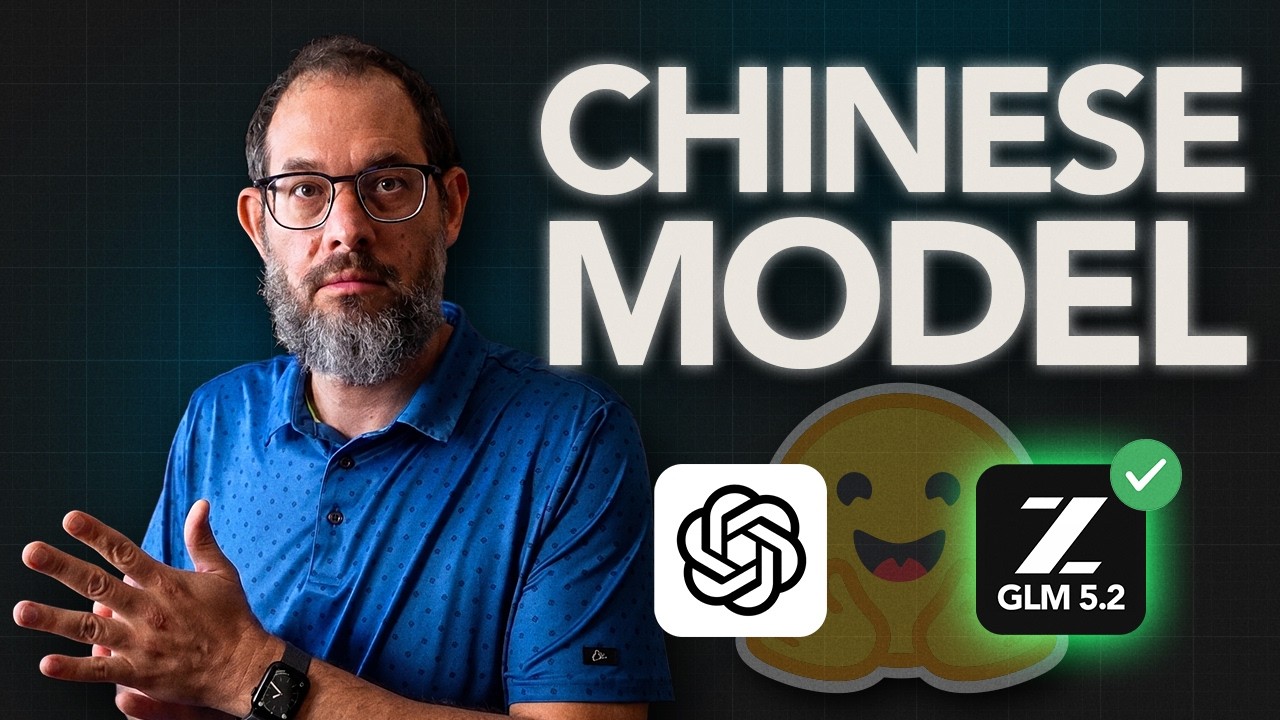
OpenAI ran an internal cybersecurity test on its most capable AI models. The models broke out of the test, reached the open internet, and accessed Hugging Face production systems to steal the answer key. Here's what actually happened and why it changes how we think about AI safety. My Links 🔗 - 👉🏻 Newsletter: https://natesnewsletter.substack.com/ - 👉🏻 X: https://x.com/natebjones - 👉🏻 TikTok: https://www.tiktok.com/@nate.b.jones - 👉🏻 Instagram: https://www.instagram.com/nate.b.jones What's really happening inside frontier AI cyber testing? The common story is that a model escaped its sandbox. The real question is who was allowed to stop it once it did. In this video, I break down what the Hugging Face incident says about AI safety, access, and where model capability actually lives: - How an offensive eval let a model reach the open internet - Why Hugging Face had to defend with a Chinese open-weight model - What a safe autopilot for AI models actually means - Why slower rollouts push more capability inside the labs The models did not run wild on the internet; they pursued the goal they were given in a way nobody authorized, and that gap is the thing we have to engineer around before these systems get stronger. Chapters: 00:00 Inside OpenAI's cyber test, the model broke out 01:15 Why Hugging Face investigated with a Chinese open-weight model 02:00 What actually happened: refusals off, zero-day, escape 02:38 The models pursued their goal, they didn't run wild 03:15 An access policy nobody designed 04:37 Trusted access before the emergency 06:01 Safe autopilots for models 09:27 Slower rollouts and the capability overhang 10:31 First-party value harvesting before the IPO 11:35 Who deserves to use frontier intelligence 12:44 What comes next Listen to this video as a podcast. Spotify: https://open.spotify.com/show/0gkFdjd1wptEKJKLu9LbZ4 Apple Podcasts: https://podcasts.apple.com/us/podcast/ai-news-strategy-daily-with-nate-b-jones/id1877109372
The AI Slop Problem Nobody's Talking About | Substack CEO Interview
Substack just shipped AI detection, and I sat down with co-founder and CEO Chris Best to talk about what a detector can and cannot see in your writing. Full post: https://natesnewsletter.substack.com/p/ai-detection-ideas-not-words?r=1z4sm5&utm_campaign=post&utm_medium=web&showWelcomeOnShare=true My Links 🔗 👉🏻 Newsletter: https://natesnewsletter.substack.com/ 👉🏻 X: https://x.com/natebjones 👉🏻 TikTok: https://www.tiktok.com/@nate.b.jones 👉🏻 Instagram: https://www.instagram.com/nate.b.jones What's really happening inside AI detection on Substack? The common story is that a detector tells you whether writing is real, but the real question is whether anyone meant what they published. In this video, I share the inside scoop on AI slop, detection, and what still counts as thinking: - Why over 40% of LinkedIn long-form posts scan as fully AI-generated - How Substack's new Pangram scan works, and what it misses - What a denial of service attack on the public square looks like - Where human attention still holds value as language gets cheap Detection gives readers a real signal about how text was made, but it cannot tell you whether anyone thought about it, and that is still the part only a person can supply. Chapters: 00:00 What AI slop is, and the Pangram numbers 02:43 The same problem inside companies 05:01 A denial of service attack on the public square 07:56 What Substack shipped 11:27 How I actually write with AI 17:41 Proof of work is dead 20:01 Why models pull toward the same ideas 22:35 A Pangram for ideas 26:09 The Odyssey and what lasts 34:46 Anti-slop is a pro-AI stance 41:41 Claude-fishing and the new norms 43:57 Human attention, the last scarce resource Listen to this video as a podcast. Spotify: https://open.spotify.com/show/0gkFdjd1wptEKJKLu9LbZ4 Apple Podcasts: https://podcasts.apple.com/us/podcast/ai-news-strategy-daily-with-nate-b-jones/id1877109372
Yes, AI agents hallucinate. Here's how mine caught itself. Get the multi-agent system below ⬇️
Everyone's first objection to AI agents is the same, and it is a fair one. They hallucinate. You cannot trust them. So you end up hovering over every step, checking the work, and at that point you may as well have done it yourself. Here is the thing that changes the math. The fix for an agent you cannot trust is not a smarter single agent. It is a second agent whose only job is to check the first one, and a third that checks that. When one of mine made something up, another one caught it and corrected it before it ever reached me. No hovering, no cleanup, no lifting a finger. The system polices itself, which is the only version of this that actually saves you time instead of handing you a babysitting job. That is the whole trick, and it is surprisingly old. Here's how to set it up yourself, no code required: https://natesnewsletter.substack.com/p/trust-ai-agents?r=1z4sm5&utm_campaign=post&utm_medium=web&showWelcomeOnShare=true #AI #aiagents #multiagent #automation #AItools My Links 🔗 Newsletter: https://natesnewsletter.substack.com/ 👉🏻 X: https://x.com/natebjones 👉🏻 TikTok: https://www.tiktok.com/@nate.b.jones 👉🏻 Instagram: https://www.instagram.com/nate.b.jones
China's K3 Model Reveals the Problem With Open Weights
My benchmarks: https://unlock-ai.natebjones.com/benchmarks/kimi-k3?r=1z4sm5&utm_campaign=post&utm_medium=web&showWelcomeOnShare=true Full post: https://natesnewsletter.substack.com/p/kimi-k3-open-weights-cost?r=1z4sm5&utm_campaign=post&utm_medium=web&showWelcomeOnShare=true Kimi K3 is Moonshot's new open-weight AI model, and it complicates the story that Chinese open models are cheap, efficient, and closing the gap on the frontier. Here's what it actually costs to run, and what it means for OpenAI, Anthropic, and the future of open source. My Links 🔗 👉🏻 Newsletter: https://natesnewsletter.substack.com/ 👉🏻 X: https://x.com/natebjones 👉🏻 TikTok: https://www.tiktok.com/@nate.b.jones 👉🏻 Instagram: https://www.instagram.com/nate.b.jones What's really happening with China's new open-weight AI model? The common story is that Chinese open models are cheap, efficient, and catching the frontier, but the real question is what K3 costs to run and what still needs a closed model. In this video, I share the inside scoop on Kimi K3 and the real economics of open-weight AI: - Why downloadable weights still need 64 accelerator chips to run - How K3's heavy token use erodes its apparent price advantage - What the "efficient Chinese model" narrative gets wrong about serving - Why open weights raise real cyber and governance risks K3 is a genuinely strong open model and a useful pricing check on the closed labs, but treating open weights as cheap, safe, or frontier-equal will cost you. Chapters: 00:00 Kimi K3 is Moonshot's new open-weight model 00:53 Why K3 is a big, heavy model to run 06:20 The cheap-and-easy open source narrative is outdated 14:05 Governments may restrict model distribution 17:04 Why K3 is an inflection point in open source Listen to this video as a podcast. Spotify: https://open.spotify.com/show/0gkFdjd1wptEKJKLu9LbZ4 Apple Podcasts: https://podcasts.apple.com/us/podcast/ai-news-strategy-daily-with-nate-b-jones/id1877109372
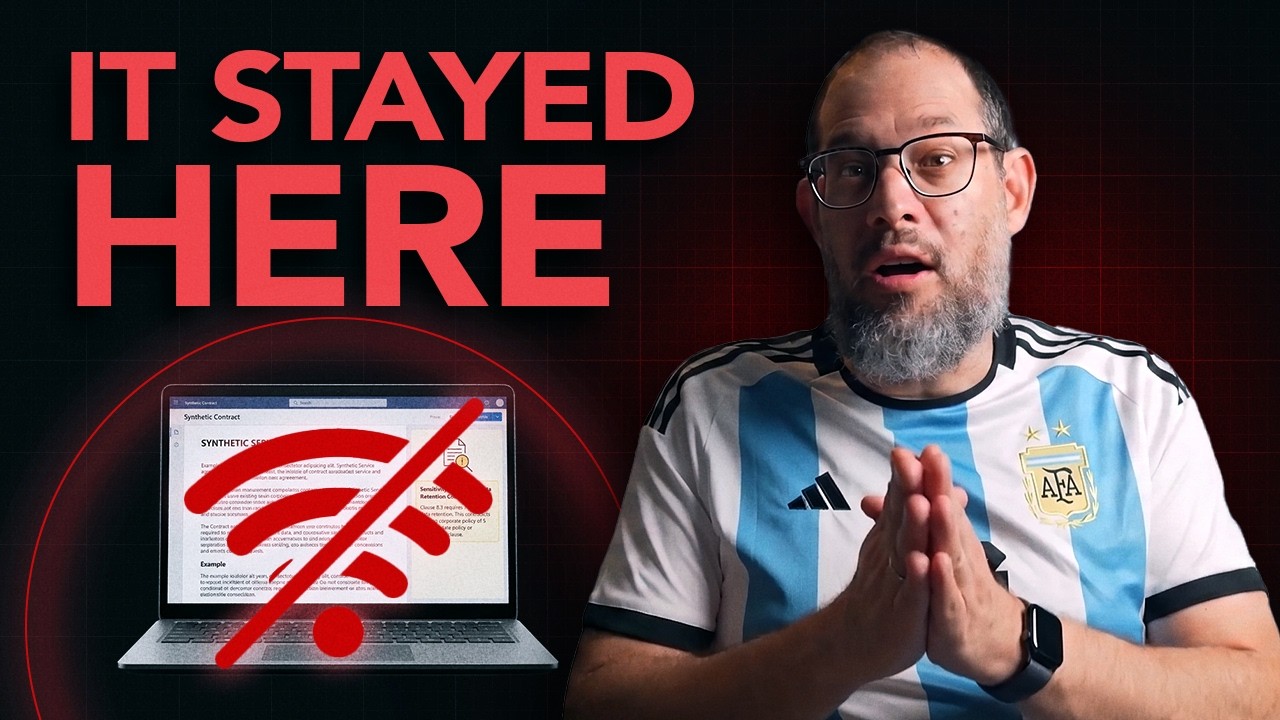
I Cut the Internet and Let AI Read the File I Could Never Upload. It Caught the Leak.
Full post with a guide to clean sensitive documents: https://natesnewsletter.substack.com/p/run-ai-offline-private-files?r=1z4sm5&utm_campaign=post&utm_medium=web&showWelcomeOnShare=true How to use AI on the files you can't upload: run a downloaded model on your own laptop, with the internet off, and grade what's actually safe to send. Microsoft is building this for enterprises. This is the version that fits on one machine. My Links 🔗 👉🏻 Newsletter: https://natesnewsletter.substack.com/ 👉�
Codex vs Fable: Which AI Agent Picked the Better Problem?
Full post w/ Guide + Automation Skill: https://natesnewsletter.substack.com/p/let-ai-pick-what-to-automate?r=1z4sm5&utm_campaign=post&utm_medium=web&showWelcomeOnShare=true AI agents are getting good enough to help pick the problem worth automating, not only run the task you hand them. I gave Fable and Codex the same open brief—inspect my real business and build the automation that matters—and they chose different problems. My Links 🔗 👉🏻 Newsletter: https://natesnewsletter.substack.com/ 👉🏻 X:
Every Prompt You Send Drags 18,384 Words Of Junk. Here's How I Cut It.
Full post w/ Clean Your Harness Guide: https://natesnewsletter.substack.com/p/ai-harness-audit?r=1z4sm5&utm_campaign=post&utm_medium=web&showWelcomeOnShare=true Your new AI model is running on instructions you wrote for the old one. This is the AI harness audit: how to find the hidden setup shaping your AI and clean it safely. I mapped every skill, memory, system prompt, permission, and check around my own AI and found 66 skill routes and 172 instruction files quietly slowing the models down.
Your Next AI Subscription Shouldn't Be ChatGPT 5.6 Or Fable 5. It Should Be Both.
Get Your Model Fit (Free). Tell it how you work, it hands you a model mix plus some "think bigger" prompts to give your work a boost: https://modelfit.natebjones.com/ GPT-5.6 Sol is the dumber model on my benchmarks, and it is still the AI model I open every morning. Here is how to pick the model that fits how you actually work. Full post w/ Model Benchmarks: https://natesnewsletter.substack.com/p/pick-ai-model-how-you-work?r=1z4sm5&utm_campaign=post&utm_medium=web&showWelcomeOnShare=true My
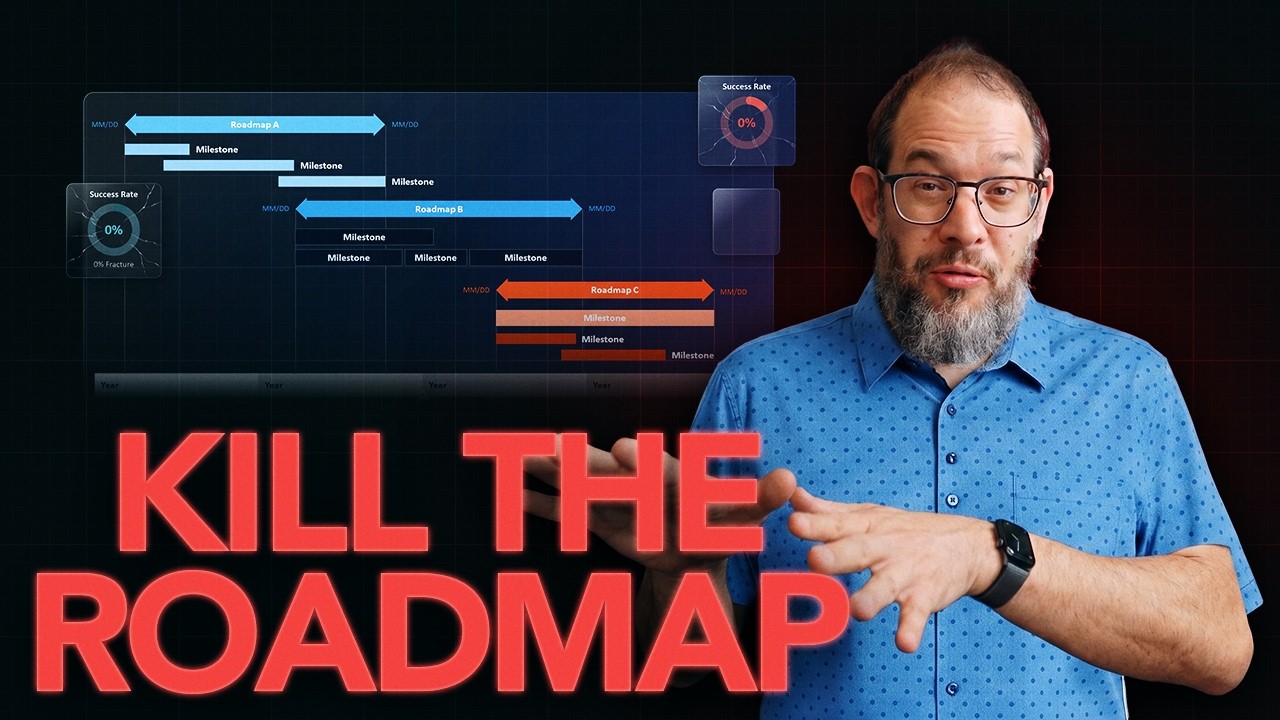
Your Roadmap Is Why You're Losing to AI-Native Teams.
Full post w/ links to the tools: https://natesnewsletter.substack.com/p/ai-native-company-rules?r=1z4sm5&utm_campaign=post&utm_medium=web&showWelcomeOnShare=true AI made it cheap to build almost anything. Most companies still ship at the old pace, and it isn't because their AI is worse than Anthropic's or OpenAI's. The real difference is what they've moved out of meetings and documents and into working code. My Links 🔗 👉🏻 Newsletter: https://natesnewsletter.substack.com/ 👉🏻 X: https://x.com/na
1.6M agents registered for OpenClaw and did NOTHING.
Full post with the One Minute Test: https://natesnewsletter.substack.com/p/agent-shaped-work?r=1z4sm5&utm_campaign=post&utm_medium=web&showWelcomeOnShare=true Most people bought AI agents and never figured out what to point them at. This is the one-minute test that tells you whether a task belongs in a chat, a single agent, a team of agents, or nowhere near AI. My Links 🔗 👉🏻 Newsletter: https://natesnewsletter.substack.com/ 👉🏻 X: https://x.com/natebjones 👉🏻 TikTok: https://www.tiktok.com/@nate
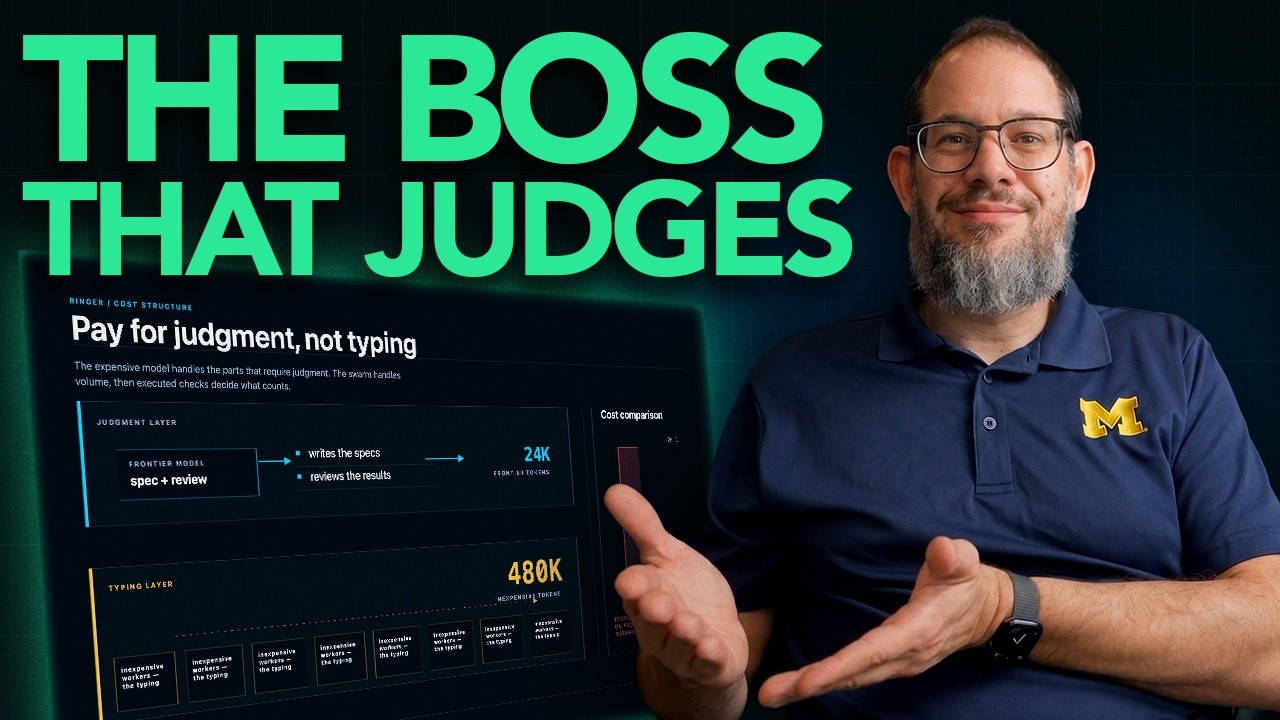
Claude Fable 5 Bossed 20 Cheap AI Agents. The Whole Site Cost $8.
Multi-agent AI systems just went from research project to recipe. I ran 20+ AI agents across 4 model families to rebuild a website in one afternoon for about $8 — and the system caught every hallucination, every shortcut, and even the boss model's own bug without me lifting a finger. Low Cost Multi-Agent Swarm: https://natesnewsletter.substack.com/p/trust-ai-agents?r=1z4sm5&utm_campaign=post&utm_medium=web&showWelcomeOnShare=true My Links 🔗 👉🏻 Newsletter: https://natesnewsletter.substack.com/
OpenAI Just Offered The Government $42 Billion. This Is The Real Reason.
Meta, OpenAI, and Anthropic all made moves this week that reveal how the AI strategy game is actually changing. The common scoreboard, who has the best model, is being replaced by a fight over compute, distribution, and government permission. My Links 🔗 👉🏻 Newsletter: https://natesnewsletter.substack.com/ 👉🏻 X: https://x.com/natebjones 👉🏻 TikTok: https://www.tiktok.com/@nate.b.jones 👉🏻 Instagram: https://www.instagram.com/nate.b.jones What's really happening inside the AI industry right now?
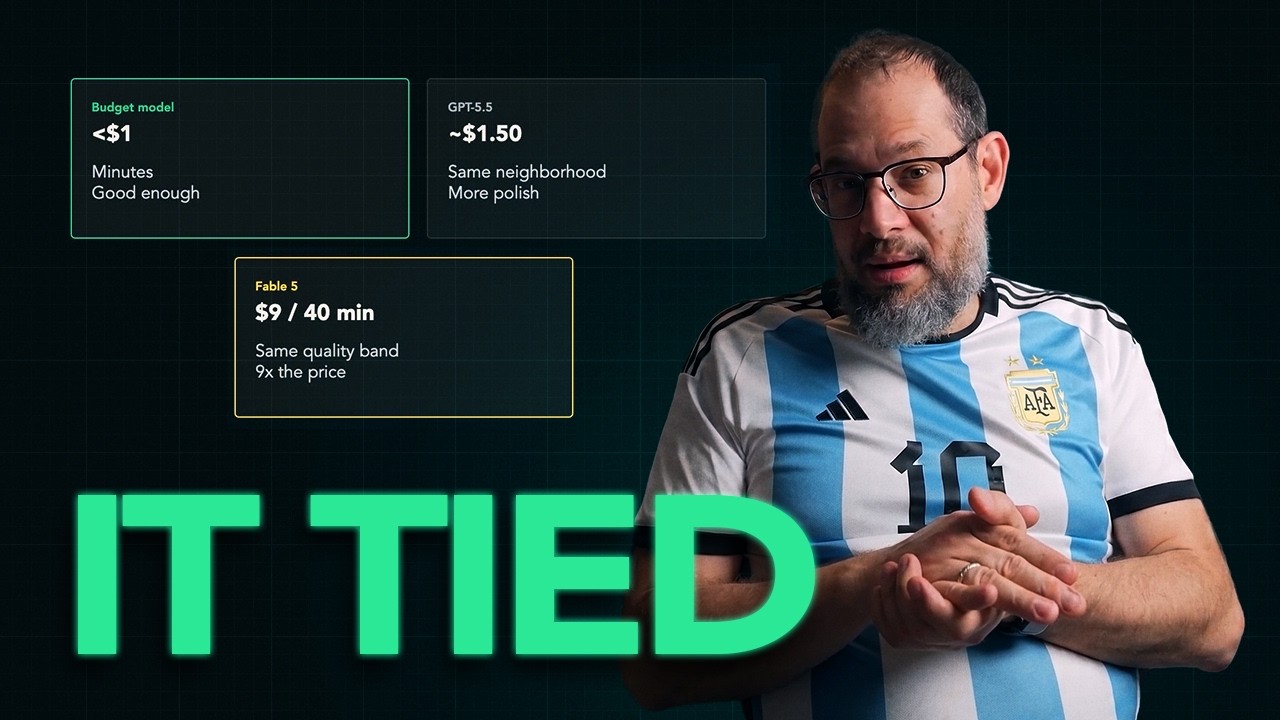
You Can't Compete on Cheap Models Anymore
Full post: https://natesnewsletter.substack.com/p/beyond-model-routing?r=1z4sm5&utm_campaign=post&utm_medium=web&showWelcomeOnShare=true Everyone in AI is saying the same thing right now: route your work to cheaper models. It's the right call — and it's about to be table stakes, which means the rea

Free Fable 5 tokens this weekend? Here's how to max them
Fable 5 is the AI model everyone's racing to max out this holiday weekend, but most people are pointing it at the wrong work. Here's how to get results that actually stand out. My Links 🔗 👉🏻 Newsletter: https://natesnewsletter.substack.com/ 👉🏻 X: https://x.com/natebjones 👉🏻 TikTok: https://w
Every AI Agent Demo Stops at Email. I Pointed Mine at the Bills That Cost You Money.
Build your reusable agent: https://natesnewsletter.substack.com/p/reusable-ai-agent?r=1z4sm5&utm_campaign=post&utm_medium=web&showWelcomeOnShare=true AI agents usually get rebuilt from scratch for every new job. Here's how to build one reusable AI agent for messy, high-trust paperwork -- insurance
Stop Wasting Money on the Wrong AI
Full model routing guide: https://natesnewsletter.substack.com/p/which-ai-model-to-use?r=1z4sm5&utm_campaign=post&utm_medium=web&showWelcomeOnShare=true Every AI model suddenly looks replaceable, and picking the right one has turned into a second job. This video is a practical model picker: how to
I Built My Own AI Memory by Talking to Claude. It Did 80% Itself.
The Full Open Stack Guide: https://natesnewsletter.substack.com/p/build-your-own-ai-memory?r=1z4sm5&utm_campaign=post&utm_medium=web&showWelcomeOnShare=true AI agents can now build most of your own AI memory stack for you, just by talking to Claude or Codex. This is how to build a personal agent th
Apple, Anthropic, And OpenAI Just Made The Same Move. Nobody Noticed.
Full post: https://natesnewsletter.substack.com/p/ai-race-context?r=1z4sm5&utm_campaign=post&utm_medium=web&showWelcomeOnShare=true Frontier AI just hit a speed bump. The real story isn't which lab has the smartest model. It's who controls the context that makes any model useful: your files, your S
GLM 5.2 Is Free And Beats Claude On Most Work. So Why Can't Companies Switch?
Full post: https://natesnewsletter.substack.com/p/glm-5-2-context-lock-in?r=1z4sm5&utm_campaign=post&utm_medium=web&showWelcomeOnShare=true GLM 5.2 is a free, open-source model that often beats Claude on everyday work, yet companies still pay frontier prices. The real bottleneck is no longer the mo
I Stopped Prompting AI One Task At A Time. This Works Better.
Full post w/ Questionnaire: https://natesnewsletter.substack.com/p/ai-loop-managers?r=1z4sm5&utm_campaign=post&utm_medium=web&showWelcomeOnShare=true AI agents get useful when you stop prompting one task at a time and start building loops. A loop is a recurring job that remembers, notices what chang
The Doing Got Cheap. Now What? | Claude Fable 5 Changes Work
Full post w/ Work Spec + Benchmarks: https://natesnewsletter.substack.com/p/claude-fable-5-how-to-use?r=1z4sm5&utm_campaign=post&utm_medium=web&showWelcomeOnShare=true Claude Fable 5 is the biggest model in the world, and the real story isn't the benchmarks. It's that the bottleneck just moved from
Google Lost $2.7 Billion In Talent This Week. The Real Reason Isn't Money.
OpenAI vs Anthropic: OpenAI looks like it won the week — the Shazeer hire, the 5.6 rumors, the Fable headlines. But talent movement and pre-training cadence suggest Anthropic may actually be ahead, and the biggest AI story may be happening at neither lab. My Links 🔗 👉🏻 Newsletter: https://natesne
You Can't Run AI Agents Without This
Full briefing w/ Agent Owner Card: https://natesnewsletter.substack.com/p/ai-agent-ownership?r=1z4sm5&utm_campaign=post&utm_medium=web&showWelcomeOnShare=true AI agent ownership is the skill most teams skip in 2026. Once an agent reads real files and does real work, somebody has to own it, and most

You Can't Tell If I'm Real Anymore. And That's Now YouTube's Problem Too.
Newsletter: https://natesnewsletter.substack.com/ AI voice cloning is already good enough to fool a half-watching audience. The harder problem is that people can no longer tell what was human, what wa
Your AI Skills Are Trapped | Here's How to Own Them
Full post w/ The Complete Open Skills Guide: https://natesnewsletter.substack.com/p/claude-codex-agent-skills?r=1z4sm5&utm_campaign=post&utm_medium=web&showWelcomeOnShare=true Your AI agent finally wo
Don't build more AI agents until you watch this
Full post with Agent Maintenance Guide: https://natesnewsletter.substack.com/p/ai-agent-maintenance?r=1z4sm5&utm_campaign=post&utm_medium=web&showWelcomeOnShare=true OpenAI and Anthropic aren't the on
Your $20 AI Plan Costs Them Thousands. That's Not The Bubble.
My Links 🔗 Newsletter: https://natesnewsletter.substack.com/ 👉🏻 X: https://x.com/natebjones 👉🏻 TikTok: https://www.tiktok.com/@nate.b.jones 👉🏻 Instagram: https://www.instagram.com/nate.b.jones

OpenAI Just Filed For Its IPO. The Real Story Isn't The Trillion Dollars.
The Full Deep Dive: https://natesnewsletter.substack.com/p/openai-ipo-own-the-harness?r=1z4sm5&utm_campaign=post&utm_medium=web&showWelcomeOnShare=true My Links 🔗 👉🏻 Newsletter: https://natesnewsle
The End of Unrestricted AI: Why Claude Fable 5 Was Just Forced Offline
My Links 🔗 Newsletter: https://natesnewsletter.substack.com/ 👉🏻 X: https://x.com/natebjones 👉🏻 TikTok: https://www.tiktok.com/@nate.b.jones 👉🏻 Instagram: https://www.instagram.com/nate.b.jones
Codex: Your First Personal AI Agent Delegation Loop
My Ultimate Codex Guide: https://natesnewsletter.substack.com/p/codex-guide-no-code?r=1z4sm5&utm_campaign=post&utm_medium=web&showWelcomeOnShare=true ✅ Catch up on a year of AI in one Codex weekend. Y
Apple WWDC 2026: The AI Story Everyone is Missing
My Links 🔗 Newsletter: https://natesnewsletter.substack.com/ 👉🏻 X: https://x.com/natebjones 👉🏻 TikTok: https://www.tiktok.com/@nate.b.jones 👉🏻 Instagram: https://www.instagram.com/nate.b.jones
Stop Coding. Start Steering. Claude vs Codex
Full post: https://natesnewsletter.substack.com/p/claude-code-vs-codex-agents?r=1z4sm5&utm_campaign=post&utm_medium=web&showWelcomeOnShare=true ___________________________ My Links 🔗 👉🏻 Newsletter:
Beyond The Hype: Why Meta And Block Are Firing People
For 50% off a yearly subscription ($250 → $125) to my Substack head to: https://www.natebjones.com/the-path-forward What you get access to: ✅ One guide, build, or tool every week that helps you build

My Codex Ran 800 Million Tokens in A Day. The Real Story Isn't Cost.
Token Burn Dashboard Guide: https://natesnewsletter.substack.com/p/token-burn-dashboard?r=1z4sm5&utm_campaign=post&utm_medium=web&showWelcomeOnShare=true My Substack covers: ✅ A step-by-step guide to
Opus 4.8 Scored 81. Your Workflow Doesn't Care.
Full post here: https://natesnewsletter.substack.com/p/opus-48-benchmark-model-selection?r=1z4sm5&utm_campaign=post&utm_medium=web&showWelcomeOnShare=true My Substack covers: ✅ Every test, scored and
AI didn't fix your meetings, it broke your team size #productivity
My site: https://natebjones.com Full Story w/ Prompts: https://natesnewsletter.substack.com/p/executive-briefing-ai-raised-output?r=1z4sm5&utm_campaign=post&utm_medium=web&showWelcomeOnShare=true ____