 AI Tools Review Editorial Team
Quick Answer:
GPT-6.2 Sol is unconfirmed. A World of AI video (09/11/2026) says OpenAI is testing it and that it may beat Opus 5.5, but OpenAI's model docs (read 05/11/2026) list no 6.2 model. The Information reported on 04/11/2026 that OpenAI could release a new Sol and next-generation Astra models, with no names, prices or benchmarks. Treat GPT-6.2 as a rumour until OpenAI publishes a model ID and system card.
OpenAI releases are now frequent enough that every unexplained change in ChatGPT or Codex gets read as a new model. This week the candidate is GPT-6.2 Sol.
We checked the claim against the reporting, OpenAI's documentation and the developer artefacts people have shared. Here is what is solid, what is plausible and what is rumour.
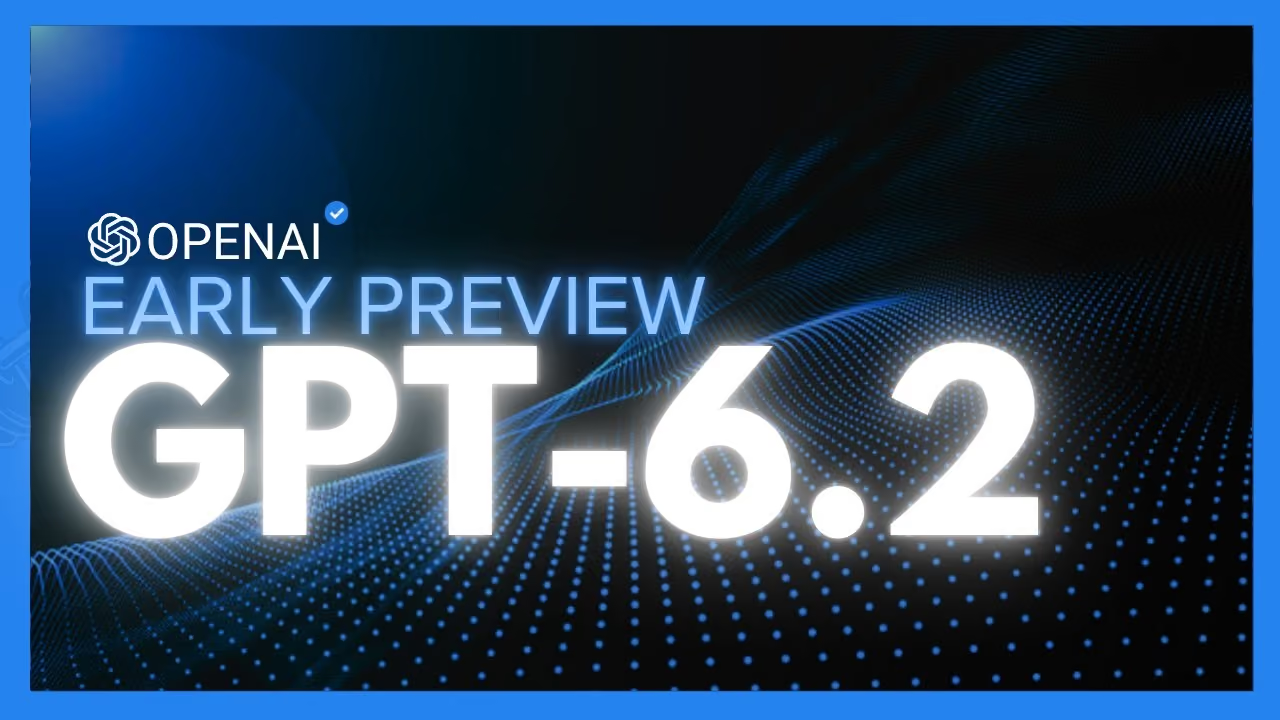
World of AI (09/11/2026) shows early demos from a suspected GPT-6.2 Sol checkpoint; the claims are unverified.
Executive Summary
- The claim: a World of AI video from 09/11/2026 says some ChatGPT and Codex users are being routed from GPT-6.1 Sol to a possibly upgraded checkpoint, with large gains in coding, 3D generation, computer use and visual reasoning.
- What is verified: GPT-6 Sol launched on 22/09/2026 and GPT-6.1 Sol on 29/09/2026. OpenAI's model docs, as read on 05/11/2026, list four general-purpose models and none is 6.2.
- What is reported: The Information said on 04/11/2026 that OpenAI could release a new Sol, a next-generation Astra and a cyber-focused model as early as 06/11/2026, without naming them or giving benchmarks.
- What is rumour: the names GPT-6.2 Sol and GPT-6.2 Astra, any benchmark claim and any comparison with Claude Opus 5.5.
- Our assessment: OpenAI is probably preparing something, but the specifics are unconfirmed. Do not plan around a 6.2 until OpenAI publishes a model ID, a price and a system card.
What the Video Claims
The video, titled "OpenAI's GPT-6.2 PREVIEW Is INSANE! BEATS Opus 5.5 & Fable 5.5?", says OpenAI might be quietly testing its next major model, GPT-6.2 Sol. According to the description, some ChatGPT and Codex users are being routed from GPT-6.1 Sol to what may be an upgraded checkpoint, with improvements in coding, 3D generation, computer use and visual reasoning.
The creator says everything shown was benchmarked with his own tool, WoAI Bench, which the description promotes alongside a paid community. That is not a reason to dismiss the demonstrations, but it is a reason to treat them as one person's tests rather than independent evaluation. The title also poses the comparison with Opus 5.5 and Fable 5.5 as a question mark, which is a more honest framing than the word INSANE suggests. We have only the description and title, not the video's full content, so we are assessing the claim as summarised there.
What Is Actually Confirmed About OpenAI's Current Models
To judge a rumour you need a baseline. According to the reporting we reviewed, GPT-6 Sol launched on 22/09/2026 for ChatGPT Work, Codex and the API, and GPT-6.1 Sol followed on 29/09/2026. GPT-6.1 Sol is now available in the API and to Plus, Pro, Business, Enterprise and Edu users in ChatGPT Work and Codex. We cover it in depth in our GPT-6.1 Sol review.
A key piece of context is what did not happen. The Wall Street Journal reported on 28/09/2026 that OpenAI cancelled a planned October GPT-6.1 Astra launch after internal testing, and OpenAI confirmed that to Reuters the next day. We analysed the implications in our GPT-6.1 Astra cancelled article and the pacing question in the Astra pacing pause piece. If a new Astra is in preparation, it follows a cancelled launch, which makes the timing more uncertain, not less.
For the differences between the tiers, see GPT-6 Sol vs Astra vs Luna and our GPT-6.1 Terra review.
What the Reporting Says
The strongest piece of evidence is a short report from The Information's AI Agenda newsletter on 04/11/2026, summarised by OrcaRouter. It said OpenAI could release, at the earliest on Friday 06/11/2026, a next-generation Astra, a new Sol and a cyber-focused model. It gave no model IDs, pricing, context length or benchmarks, and it was unclear whether access would start in the API, ChatGPT, Codex or with partners. The reporter described it as a scooplet, a small scoop, on X.
A second first-party hint is an OpenAI post dated 23/10/2026 about training containment that mentioned an upcoming GPT-6 Astra Cyber model in passing, without an ID, price or date. That fits the cyber-focused model in the newsletter report, but it does not mention any 6.2.
Note what is missing: the report does not use the name GPT-6.2. Those names appear in third-party posts. That does not make them wrong, since labs often iterate point releases, but it means the label is inferred.
The Evidence, Claim by Claim
| Claim | Source | Status |
|---|---|---|
| OpenAI may release a new model around 06/11/2026 | The Information, 04/11/2026 | Reported with hedged language; not confirmed by OpenAI |
| A next-generation Astra, a new Sol and a cyber model are coming | The Information | Reported; no identifiers |
| The names GPT-6.2 Sol and GPT-6.2 Astra | Third-party posts on X | Unverified; absent from OpenAI model docs |
| A gpt-6.2-astra ID appeared in a Codex payload | One developer's screenshot | Unverified; a separate Codex review model is one alternative explanation |
| About 80% of calls went to the old ID and 19.8% to the new one | A second account's usage data | Unverified; from a single bill, not a launch figure |
| A cyber-focused Astra is upcoming | OpenAI post, 23/10/2026 | First-party but undated and unidentified |
| GPT-6.2 Sol exists | One clause in the report plus inference from Sol's refresh cadence | Weakest evidence; no artefacts |
| Pricing for 6.2 | None | Not published |
The Sol claim is the weakest link. The only developer artefact discussed refers to Astra, not Sol. The OrcaRouter author also notes there is no billing line for gpt-6.2-sol, no response body, no command-line screenshot and no third-party tracker entry. A single social post about quota settings listing both names for about three hours is not strong evidence either.
One more caution on sources: the OrcaRouter article is published by a company that sells model routing and recommends its own service, so treat its framing with the same scepticism you would apply to any vendor blog. We rely on it only for its summary of what others reported and for its own clearly labelled caveats.
Why Early Demos Mislead
Demos of 3D scenes, game clones and interface builds are the standard currency of leak videos. They look impressive, they are cheap to produce and they are hard to compare. A single result is one sample. If a checkpoint is being A/B tested in production, as the video suggests, users may be routed between versions at random, so the same prompt can give different quality on different days, and the creator may be seeing the best of several attempts.
There is also a confound the video itself hints at: extended reasoning settings. The same model can look very different with low and high reasoning effort. Without knowing the model, the effort setting and the scaffolding, you cannot attribute a good result to a new checkpoint. We make the same argument in our fact-check of the Claude Opus 6 leak claims, where the evidence was similarly thin.
What would be informative: public benchmark results published by OpenAI, a system card, and independent testers running the same prompts across models under controlled settings. Our own head-to-head, GPT-6 Sol vs Claude Opus 5.5, and Claude Sonnet 5.5 vs GPT-6.1 Sol show how we compare models when verified data exists.
Does It Beat Claude Opus 5.5?
The title asks whether GPT-6.2 beats Opus 5.5 and Fable 5.5. We cannot answer that, because nobody outside OpenAI has verified what the supposed checkpoint is. Claims of this type are also sensitive to the task: a model can lead on game-like coding demos and trail on long-horizon agentic work or careful writing.
If you want a grounded view of where Anthropic's current flagship stands, our Claude Opus 5.5 review and Claude Opus 5.5 vs GPT-6 Astra are based on published material. The video is also one of several in the same news cycle that mention Anthropic stealth models and an alleged Fable 5.5; those are equally unverified, and we cover that rumour trail in our Claude Fable 5.5 leak article.
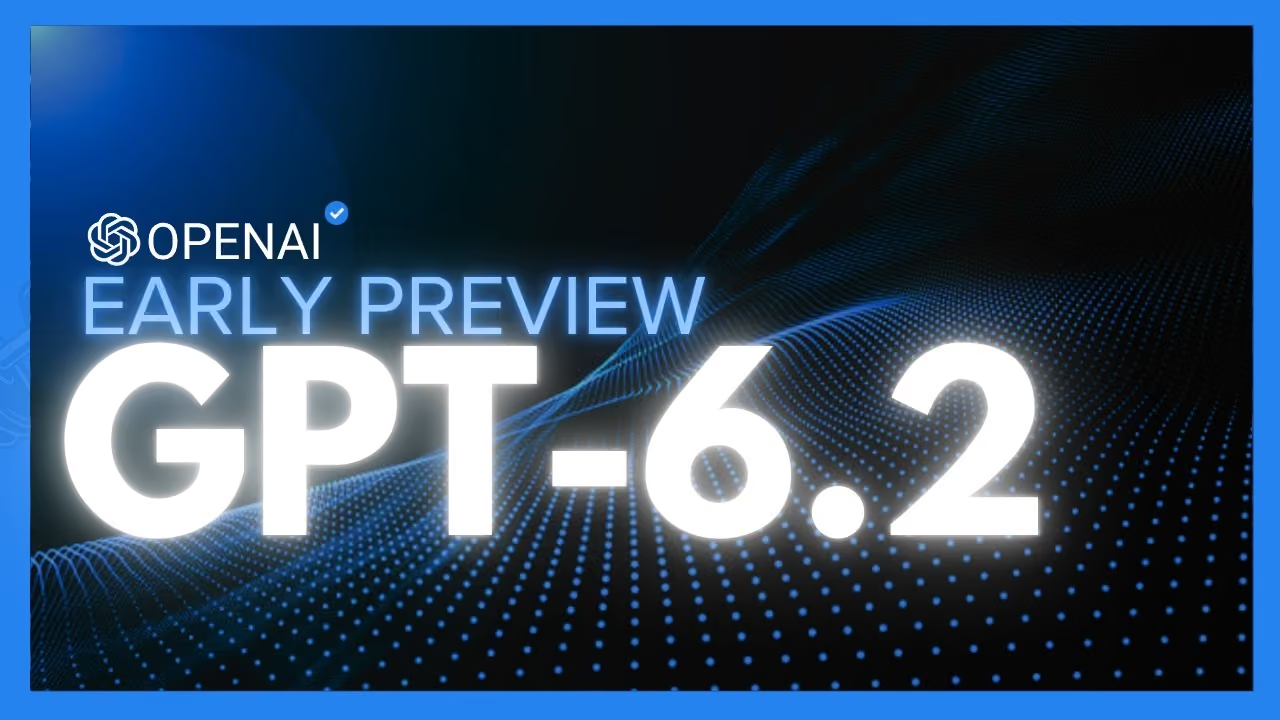
World of AI (05/11/2026) first reported the GPT-6.2 Astra and Sol leak talk alongside the pause-AI debate.
A Timeline of the Verified Events
| Date | Event | Status |
|---|---|---|
| 22/09/2026 | GPT-6 Sol launches for ChatGPT Work, Codex and the API | Reported by multiple outlets |
| 28/09/2026 | Wall Street Journal reports OpenAI cancelled a planned October GPT-6.1 Astra launch | Confirmed by OpenAI to Reuters the next day |
| 29/09/2026 | GPT-6.1 Sol launches | Reported |
| 23/10/2026 | OpenAI post on training containment mentions an upcoming GPT-6 Astra Cyber model | First-party, undated product |
| 01/11/2026 (night) | Developer reports a Codex interface showing GPT-6 Astra with a gpt-6.2-astra payload | Unverified single account |
| 04/11/2026 | The Information reports a possible release on 06/11/2026 | Reported; no IDs or benchmarks |
| 05/11/2026 | OpenAI model docs list four general-purpose models, none labelled 6.2 | Read by one analysis |
| 09/11/2026 | World of AI video claims routing to a GPT-6.2 Sol checkpoint | Unverified |
Laid out like this, the pattern is clear. Two launches in a week in late September, a cancelled launch, a cyber-focused model teased in October and a flurry of unverified artefacts in early November. A reasonable reader could conclude that OpenAI has something ready, and equally that the first Friday it might have shipped has already passed without an announcement. The report said 06/11/2026 at the earliest, and by the time of the video three days later there was still no official post that we could find.
Release rumours often get the day wrong and the content right, or the content wrong and the day right. Treat a date from a single newsletter as a prior, not a commitment.
How Silent Model Routing Can Fool Users
The video says some users are being routed from GPT-6.1 Sol to a different checkpoint. Silent routing of this kind is a normal practice at AI labs. A new version is served to a small percentage of traffic, quality and safety signals are monitored, and the percentage rises or the change is rolled back. It is the same logic as an A/B test on a website.
For users it creates three problems. First, a rumoured improvement may only reach a small share of accounts, so one person sees a leap and another sees nothing. Second, the model label in the interface may not match what serves the response, which is the kind of mismatch the Codex payload report describes. Third, a change in quality may be caused by something other than the model, for example a system prompt tweak, a different tool configuration or a change to default reasoning effort.
This is why we are cautious about attributing demos to a named model. If you see the same behaviour from a documented API model ID with fixed settings, that is evidence. If you see it in a consumer interface where routing is invisible, it is an anecdote. Our guide to prompting a flagship model, how to prompt Claude Opus 5, has practical advice on designing repeatable tests that avoid these traps.
Why Labs Ship Point Releases Quickly
There is a sound strategic reason a 6.2 would be plausible: competitive pressure. Anthropic, Google and Chinese labs have all been releasing at pace, and our coverage of Claude Sonnet 5.5 against GPT-6.1 Sol shows how quickly leadership on particular tasks changes hands. A lab that has a stronger checkpoint has an incentive to release it before a rival's launch grabs the headlines. The OrcaRouter author even predicts that Anthropic will respond the following week, which they hedge as a strong suspicion.
That logic cuts both ways. Competitive pressure also explains why labs test in public: stealth checkpoints generate buzz and real-world data without a commitment. So an unannounced model appearing in the wild is consistent with an imminent launch, a cancelled one, or a routine experiment. The evidence cannot distinguish between them, which is the central point of this article.
What to Do If You Build on OpenAI Models
- Do not hard-code a 6.2 ID. Wait for the model to appear in OpenAI's documentation and API model list.
- Pin model versions in production. If checkpoints are being tested, silent routing changes can alter behaviour. Pinning reduces surprise.
- Keep your own evaluation set. A dozen representative tasks, run on each new model with fixed settings, beats any demo.
- Watch pricing, not just quality. OrcaRouter warns against assuming 6.2 pricing will match earlier tiers, and no price has been published.
- Keep a fallback. Release plans at OpenAI have already slipped once with the cancelled GPT-6.1 Astra.
What Would Count as Real Evidence
- A model ID, price and system card on OpenAI's own documentation or blog.
- An OpenAI announcement or staff confirmation naming the model.
- Independent, reproducible benchmarks or evaluations from third-party testers.
- A catalogue entry on a cloud provider that the provider confirms.
- A reported release that matches The Information's timing and names the products.
The Bottom Line
Something is probably coming from OpenAI: a credible outlet said so, and a first-party post mentioned a cyber-focused Astra. But GPT-6.2 Sol as a named, benchmarked model that beats Opus 5.5 is not established. The name is inferred, the Sol evidence is thin and the performance claims come from a creator's own tests of a possible checkpoint. Treat it as a reasonable expectation, not a fact, and read the official release when it lands. We will update this article with a full system-card review if and when it does. Until then, see our GPT-6.1 Sol review for what you can use today.
Sources
- World of AI on YouTube: OpenAI's GPT-6.2 PREVIEW Is INSANE! (09/11/2026): the video this article checks (description only); thumbnail used for illustration and credited to the creator.
- World of AI on YouTube: AI BOOM ENDING?! (05/11/2026): earlier leak talk (description only).
- OrcaRouter: GPT-6.2 Sol leak: summary of The Information report, the Codex artefact, the OpenAI docs check and the evidence table. Published by a vendor that sells model routing.
- kie.ai: What is GPT-6.2 Sol?: secondary aggregator coverage; treated as low reliability.
- The New Stack: OpenAI GPT-6.1 Sol: confirmed GPT-6.1 Sol availability.
- eWeek: GPT-6.1 Sol is here: GPT-6.1 Sol launch coverage.
Last updated: 09/11/2026. This is an unverified-rumour assessment; we will update it if OpenAI confirms a new model.
Get the free guide: Claude vs ChatGPT, Gemini & Grok
A 20-page playbook covering everything you need to choose and use the big four AI models in 2026, full cost and feature comparisons, what each is best (and worst) at, and how-tos for images, vectors, building a website, Claude Code and more.