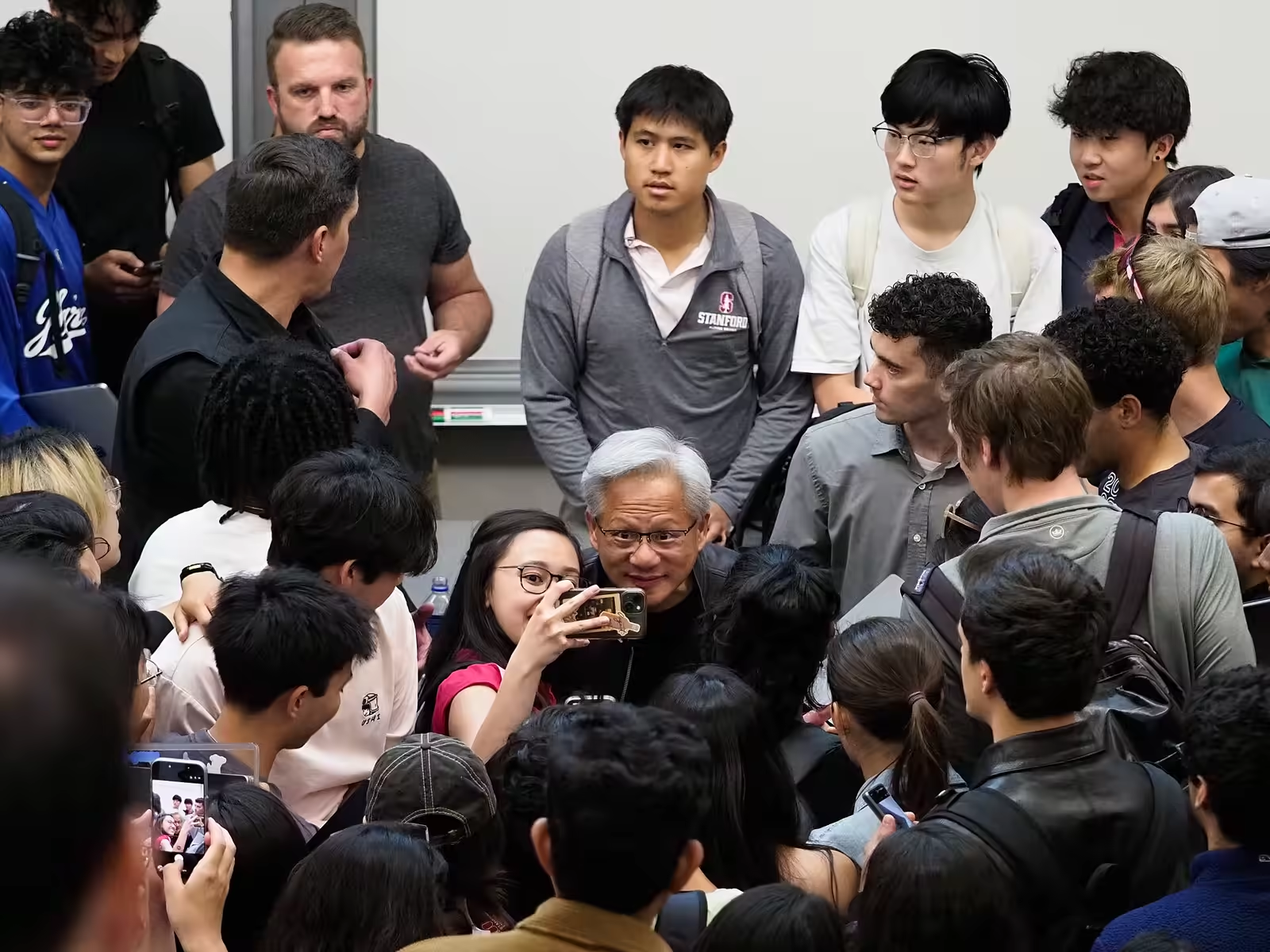
 AI Tools Review Editorial Team
Quick Answer:
Two stories are running at once. First, Reuters reports that about 600,000 Nvidia H200 chips that Washington has licensed for China are sitting in Hong Kong because Beijing will not approve large-scale imports, preferring domestic chips. Second, US investigators are examining whether Nvidia hardware reached Chinese users through Megaspeed, a Singapore cloud firm that reportedly bought more than $4.8bn (about £3.8bn) of Nvidia chips. That probe intensified after Jensen Huang disclosed an affair, reportedly with a former Megaspeed executive whom US officials believe is a Chinese intelligence asset. Megaspeed denies wrongdoing, no charges have been reported, and Nvidia's board has opened an independent review.
For most of 2025 the China chip story was simple: Washington restricted, Nvidia lobbied, Chinese buyers tried to get round the rules. In November 2026 the picture has flipped. The US is now willing to sell a previous-generation chip, China is refusing to take most of it, and the most serious questions are about the newer chips that may have reached Chinese users without anyone shipping them to China at all.
This explainer pulls together reporting from Reuters, the New York Times, Bloomberg, CNBC and Fortune, along with Nate B Jones's analysis of what the story means for companies that rely on frontier AI. We separate what is confirmed from what is alleged. Several people and companies named here deny wrongdoing, and nobody in this story has been charged in connection with Megaspeed. For the wider backdrop, read our China AI chip race explainer and US-China AI race lobbying analysis.
Nate B Jones explains the Hong Kong H200 stockpile, the Megaspeed investigation and what a long probe could mean for 2027 AI planning.
Executive Summary
- The stockpile: about 600,000 H200s are stored in Hong Kong awaiting Beijing's approval for mainland import, according to Reuters (05/11/2026). Reuters says total foreign chips China approves could end up below 200,000.
- The policy: President Trump allowed H200 sales to approved Chinese customers on 08/12/2025, with 25% of proceeds going to the US government. Blackwell chips remain barred.
- Beijing's stance: it approved a first batch for ByteDance, Alibaba and Tencent in January 2026, then slowed. It wants firms to use Chinese chips, especially for inference.
- Megaspeed: a Singapore-based GPU cloud reported to have bought more than $4.8bn of Nvidia chips in two years, with nearly $2bn installed in Malaysia and Indonesia, allegedly serving Chinese customers remotely. It denies wrongdoing.
- The Huang link: Jensen Huang disclosed an extramarital affair to staff. Reports connect it to Alice Huang (no relation), a former Megaspeed executive. The New York Times reports US intelligence officials believe she is a Chinese intelligence asset.
- Nvidia's position: the board has opened an independent investigation, retained outside counsel, says it retains confidence in Huang, and has "no reason to believe that either national security or NVIDIA secrets were compromised".
- Dates to watch: Nvidia reports quarterly results on 17/11/2026; House committee chairs have asked Huang to a closed-door briefing on 18/11/2026.
The 600,000 Chips in Hong Kong
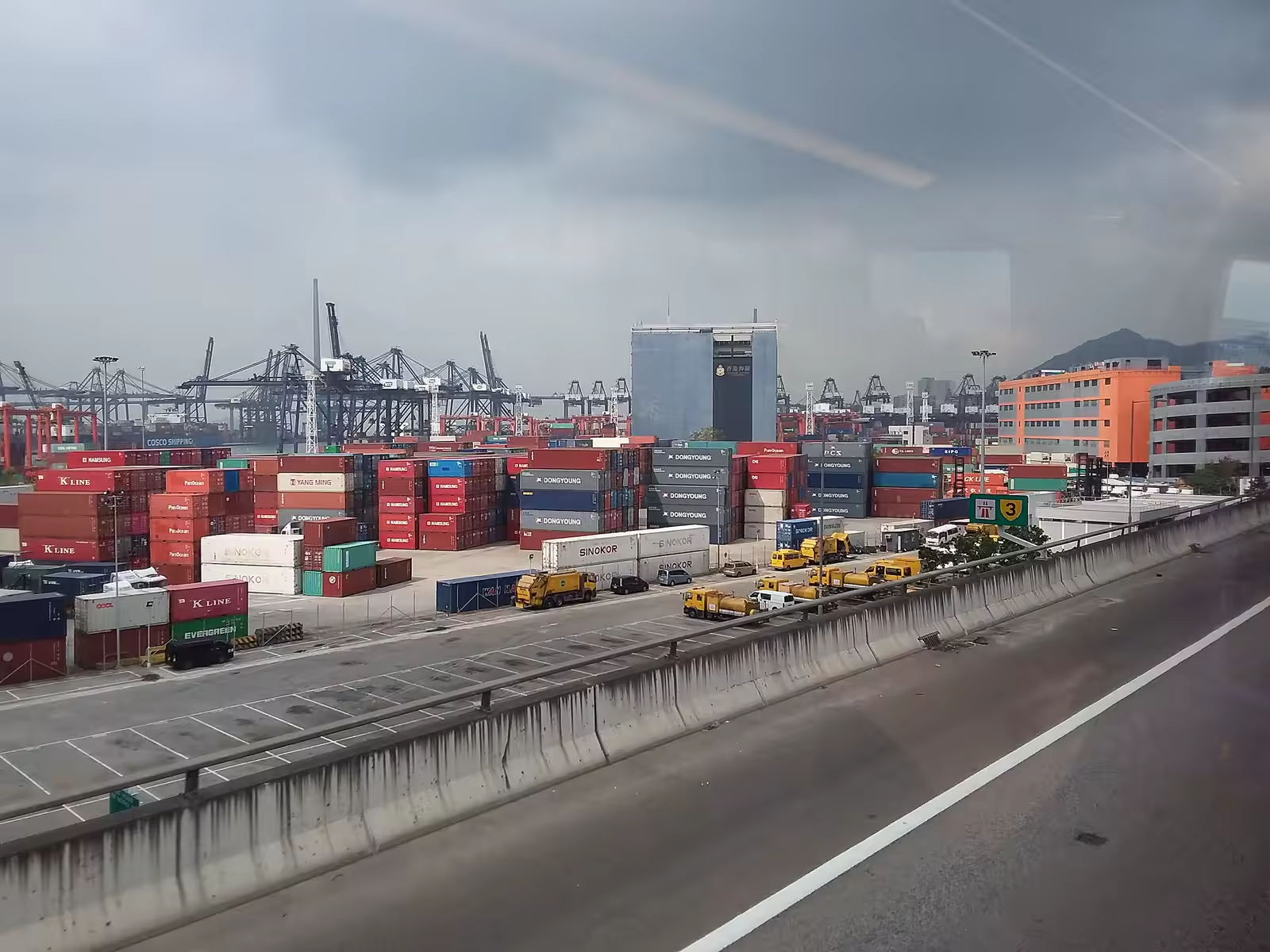
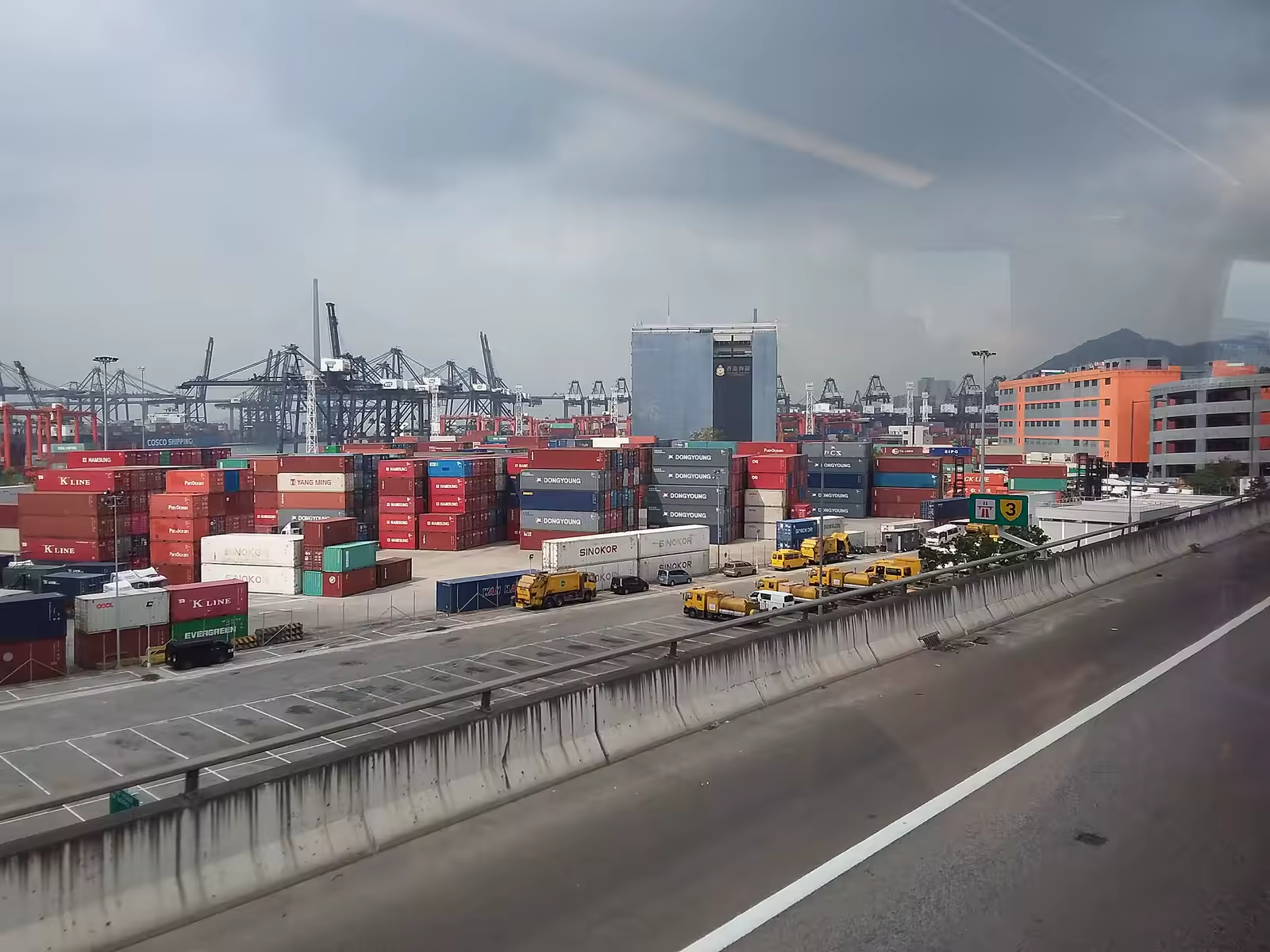
On 05/11/2026, Reuters reported that roughly 600,000 Nvidia H200 chips were being held in Hong Kong because Beijing had not approved large-scale imports into the mainland. The report cited two people familiar with the matter. Nvidia, China's industry ministry and its main economic planning agency did not respond to Reuters' requests for comment.
Hong Kong is the natural staging point. It is a separate customs territory, close to the mainland data-centre clusters, and a long-standing trading hub for electronics. Chips that clear US export licensing can be shipped there legally and wait for Chinese import approval. What has changed is that the wait no longer looks temporary.
The other numbers in the Reuters reporting explain why that matters:
| Figure | Value | Source |
|---|---|---|
| H200s held in Hong Kong | About 600,000 | Reuters, via TNW (05–06/11/2026) |
| Possible ceiling on total approvals | Below 200,000 | Reuters |
| H200s received by several large Chinese internet firms in recent months | About 10,000 each | Reuters, one source |
| Unofficial price of an 8×H200 server (end October) | More than 6m yuan, about three times a year earlier | Reuters |
| Unofficial price of a Blackwell server | More than 20m yuan | Reuters |
| H200 sales to China as share of Nvidia data-centre revenue | Less than 1% | Nvidia quarterly filing |
| Nvidia charge for unsold H200 stock and commitments | $400m (about £316m) | Nvidia quarterly filing |
| RTX Pro cards ordered by ByteDance, Alibaba and Tencent | More than 3 million, worth over $35bn | Reuters, October 2026 |
Put those together and the market looks strange. Legal H200 supply is piling up in Hong Kong, while grey-market prices for H200 servers inside China have tripled. Demand plainly exists. The bottleneck is Beijing's approval, not Washington's.
How the H200 Became Exportable
The H200, launched in 2023, is a Hopper-generation data-centre GPU. It was Nvidia's most powerful chip outside the Blackwell family when export policy shifted. The timeline:
- August 2025: Nvidia and AMD agree to give the US government 15% of China revenue on the lower-end H20 chip.
- 08/12/2025: President Trump announces on Truth Social that Nvidia may ship H200s to approved customers in China, with the US taking 25% of the proceeds. Blackwell stays barred.
- 19/12/2025: the Commerce Department opens a review of advanced Nvidia chip sales to China.
- December 2025 to January 2026: Representative Brian Mast introduces the AI Overwatch Act, giving Congress 30 days to block specific chip export licences. The House Foreign Affairs Committee advances it in January.
- January 2026: the US begins reviewing H200 licences case by case. Beijing approves a first batch of imports for ByteDance, Alibaba and Tencent.
- Since then: Chinese restrictions keep Nvidia from selling all the chips it is licensed to ship.
The policy logic in Washington was that selling a previous-generation chip, with a cut for the Treasury, would keep Chinese AI labs dependent on the American software stack while holding back the newest hardware. Jensen Huang has made a version of that argument for years: a total ban, he says, simply hands the Chinese market to Huawei. Critics including Senator Elizabeth Warren argued it would speed up China's military and technological progress. What neither side fully expected was that Beijing would decline much of the offer.
Why Beijing Is Saying No
According to Reuters, Beijing wants companies including Alibaba, ByteDance, Tencent and DeepSeek to use Chinese-made chips instead, particularly for inference. Inference, running a trained model to answer requests, is the largest and fastest-growing share of AI compute, and it is more forgiving of weaker hardware than frontier training is. Pushing inference onto domestic chips guarantees volume for Chinese chipmakers while reserving scarce foreign silicon for training.
US Commerce Secretary Howard Lutnick has said publicly that Beijing is making it hard for Chinese companies to get permission to import the chips as it backs its domestic industry. Our China chip race analysis covers that domestic push in detail, including Huawei's Ascend roadmap and the state funding behind it.
Nate B Jones offers a sharper reading. He argues that Beijing does not want to depend on Nvidia at all, and that a previous-generation chip is not worth the strategic dependency. If Chinese labs can reach Blackwell-class compute some other way, the H200 offer looks even less attractive. That is where the second story comes in.
Megaspeed: The Rental Route
Export controls restrict where chips are shipped and who owns them. They are much weaker on who rents them. A Chinese company that cannot buy a Blackwell server can, in principle, rent time on one sitting in a data centre in Malaysia, accessed over the internet. This is the gap at the centre of the Megaspeed investigation.
What has been reported:
- The company: Megaspeed is a Singapore-based cloud provider with offices in Singapore and Indonesia. It rents Nvidia GPU capacity from data centres in Southeast Asia to Asia-Pacific customers, mainly for AI projects, and describes itself as a "core business partner" of Nvidia's cloud business in the region (CNBC).
- The scale: the New York Times reported in October 2025 that Megaspeed bought more than $4.8bn of Nvidia chips over two years, with nearly $2bn installed in data centres in Malaysia and Indonesia allegedly serving Chinese customers remotely (via Fortune). Reports describe Megaspeed's revenue growing from about $33m to $3bn in roughly three years.
- The founding: Bloomberg reports Alice Huang, also known as Huang Le, helped set up Megaspeed in 2023, and lists her among people cooperating with a Singapore police investigation into the company's China-related activities.
- The allegations: Bloomberg reported in December 2025 that the US government was investigating Megaspeed's ownership structure and whether it smuggled Nvidia chips to China. Short seller Culper Research alleged in May 2026 that Nvidia records revenue by the buyer's headquarters rather than the end user, and that funding from Chinese companies flowed through Southeast Asian entities to order servers.
And the denials, which matter just as much:
- Megaspeed says reporting about it contained "misleading information and incorrect insinuations", and that inspections by the US Bureau of Industry and Security, Malaysia's trade ministry and Nvidia found no evidence of illicit chip transfers.
- Nvidia said in October 2025 that it visited Megaspeed and found no evidence of diversion, and last month described the allegations as "thoroughly investigated and debunked".
- No charges against Megaspeed have been reported.
Even if every transaction were lawful, the structure illustrates a policy problem. Remote access to compute is how almost everyone uses AI hardware now. Our own analysis of Anthropic's compute commitments shows how much frontier capacity is bought as a service rather than owned. Export rules written around physical shipments struggle with that reality.
The Jensen Huang Investigation
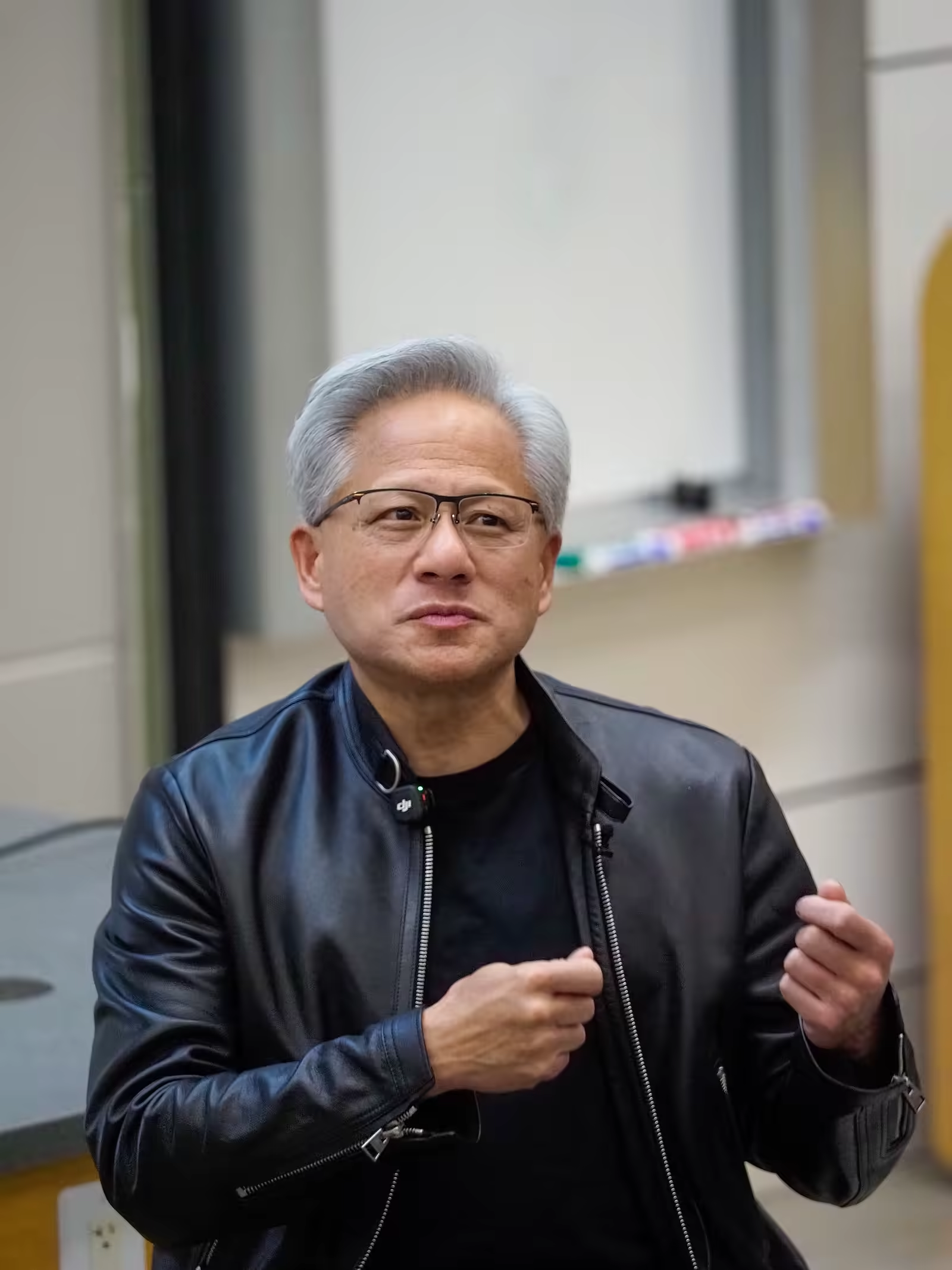
The story became front-page news over the weekend of 08–09/11/2026. In an email to employees, Jensen Huang acknowledged being unfaithful to his wife. His statement did not name Megaspeed or Alice Huang. He said he supports the investigation, will cooperate fully, and is "proud and grateful to be an American".
The reason it is more than a personal matter is reporting about who the other person is. The New York Times reported on 06/11/2026 that US intelligence officials believe Alice Huang is a Chinese intelligence asset, and that a memo circulated among Trump administration policymakers last spring identified her as passing information about US AI chips to Beijing's Ministry of State Security. Reuters confirmed, through a source, a photograph of the two together in Taipei released on 07/06/2024. Huang told Bloomberg his interactions with her were "completely normal and not unusual". The Singapore government said it had not investigated her alleged intelligence ties.
Nvidia's board responded the same weekend. It opened an independent investigation into the "national security concerns raised in news reports", retained former federal prosecutor Joon H. Kim and the law firm Wachtell, Lipton, Rosen & Katz, said members retain confidence in Huang, and stated it has "no reason to believe that either national security or NVIDIA secrets were compromised".
Nate B Jones frames the key question carefully, and it is the right frame. The issue is not the affair. It is whether that relationship shaped who got access to scarce advanced chips. That remains unproven.
The Supermicro Case
Fortune calls this "2 scandals, 1 destination", and the second scandal shows why investigators are taking the rental and intermediary routes seriously. In March 2026, federal prosecutors charged Supermicro co-founder Yih-Shyan "Wally" Liaw and two others with routing about $2.5bn (around £2bn) of servers containing Nvidia H200 and B200 GPUs to China through a Southeast Asian front company. Liaw has pleaded not guilty and his trial has moved from November 2026 to March 2027. One co-defendant pleaded guilty last month.
Supermicro itself has not been charged and says it was a victim. It has disclosed a grand jury subpoena from the Southern District of New York and inquiries from the SEC and the Bureau of Industry and Security. Bloomberg and Culper Research identified the alleged front company as OBON, a Bangkok AI infrastructure firm, which has not been charged.
The relevance to Nvidia is indirect but uncomfortable. Senator Warren wrote to Nvidia in June about its compliance programme and its continued reliance on Supermicro as a key partner. Two separate cases involving its hardware and Southeast Asian intermediaries make it harder for Nvidia to argue that diversion is rare and well controlled.
Congress, Earnings and What to Watch
| Date | Event | Why it matters |
|---|---|---|
| 05/11/2026 | House Select Committee on China describes Alice Huang as a "publicly reported Chinese intelligence asset" | Moves the story into formal congressional oversight |
| 09/11/2026 | Senators Warren and Jim Banks call on Nvidia to answer questions | Bipartisan pressure; Warren is expected to chair Senate Banking from January and may issue subpoenas |
| 17/11/2026 | Nvidia third-quarter results | First chance for analysts to question management on China exposure and the board review |
| 18/11/2026 | Closed-door briefing requested by three House committee chairs | Huang has been asked to attend on national security risk |
| Ongoing | AI Overwatch Act (House) and Senate bill S. 4456 | Would give Congress a 30-day window to block advanced chip licences to countries of concern |
The AI Overwatch Act is the policy outcome to watch most closely. Huang has opposed it, arguing it would hurt US competitiveness. The scandal gives its sponsors, Representative Brian Mast in the House and Senators Banks and Warren in the Senate, fresh momentum. If it passes, chip export decisions become slower and more political, which affects not only China but the approval of large overseas data-centre projects in the Gulf and Southeast Asia.
Why It Matters More When AI Builds AI
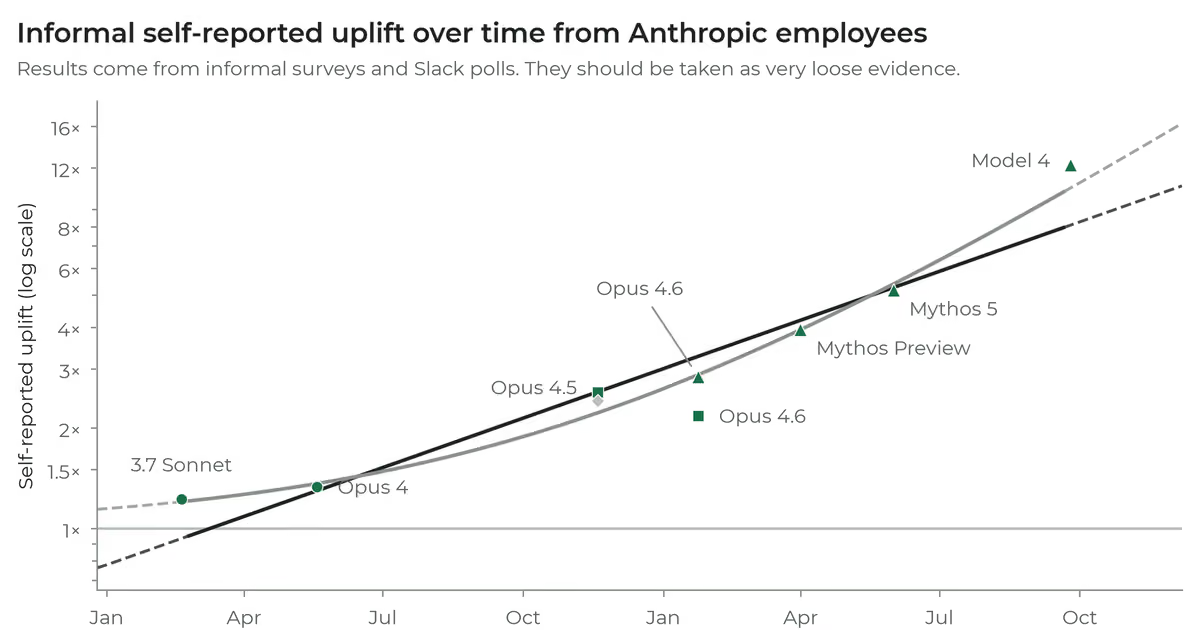
Nate B Jones ties the chip story to a second trend: AI is starting to help build the next generation of AI. He points to METR's findings on Anthropic, which we covered in METR on Anthropic's AI R&D acceleration. Anthropic itself says over 90% of the changes merged into its core codebase are now written by Claude with human guidance, and it deliberately capped two AI-research skills in its newest model, as explained in our Claude Fable 5.2 review.
If research speed increasingly scales with compute, then who has access to the newest chips matters more each quarter. A lab with Blackwell-class capacity can run more experiments and more AI-assisted research agents than one stuck on Hopper. That is the strategic logic behind both sides' behaviour: Washington wants to keep the newest generation at home and among allies, and Beijing has little interest in a previous generation if the gap compounds.
It also explains why cyber defence keeps coming up. Frontier models are now used to find and fix vulnerabilities at scale. Companies that depend on those models for defence need continued access to them, and that access ultimately depends on the chip supply chain that this investigation is examining.
What It Means for Your Business
For a UK or US company using AI through an API, nothing changes this week. Your Claude Code sessions or ChatGPT workflows run on capacity the big labs and clouds have already contracted. But there are three second-order effects worth planning for:
- 2027 capacity and pricing. A quick resolution keeps chip supply flowing normally. A long investigation, new legislation or tighter rules on overseas data centres could slow the build-out that has driven recent price cuts. Do not assume next year's per-token prices will fall as fast as this year's.
- Regional data residency. If you use GPU clouds in Southeast Asia, or providers that resell capacity there, expect more customer-identity checks and possibly restrictions on certain end users. Know where your inference actually runs.
- Vendor concentration. The episode is a reminder that one company's hardware underpins nearly all frontier AI. Multi-model and multi-cloud strategies, which also help with cost, double as resilience. Our Fable 5.2 vs Opus 5.5 comparison covers how to route work across models to manage cost.
There is also a local angle. Physical constraints on AI capacity are growing at home as well as abroad: our analysis of the US data-centre backlash shows voters rejecting data-centre projects in 40 of 41 local ballots. Chip politics and planning politics are converging on the same outcome: compute is harder to add quickly than the market assumed.
What Is Confirmed and What Is Not
| Claim | Status |
|---|---|
| About 600,000 H200s are held in Hong Kong | Reported by Reuters from two sources; not confirmed by Nvidia or Beijing |
| Trump approved H200 sales with a 25% government share | Confirmed; announced 08/12/2025 |
| Beijing approved a first batch for ByteDance, Alibaba and Tencent | Widely reported; January 2026 |
| Megaspeed bought more than $4.8bn of Nvidia chips | Reported by the New York Times; not disputed as a figure in coverage we reviewed |
| Megaspeed diverted chips or compute to China illegally | Alleged; denied by Megaspeed; no charges reported |
| Jensen Huang had an affair | Acknowledged by Huang in an email to staff |
| Alice Huang is a Chinese intelligence asset | Reported by the New York Times citing US intelligence officials; not publicly proven |
| National security or Nvidia secrets were compromised | Unknown; Nvidia's board says it has no reason to believe so |
| Supermicro co-founder charged over $2.5bn of server shipments | Confirmed charges; he pleads not guilty; trial set for March 2027 |
The Bottom Line
The Nvidia China story is no longer about whether America will sell. It is about whether China wants what is on offer, and whether newer, restricted hardware has been reaching Chinese users through rental and intermediary routes that export rules were never designed for. The 600,000 H200s in Hong Kong show Beijing choosing self-reliance over a previous-generation chip. The Megaspeed probe asks whether some of the current generation went round the fence instead.
Nothing has been proven against Megaspeed or Jensen Huang on the security questions, and Nvidia's board is investigating. But the political consequences are already in motion. Watch the earnings call on 17/11/2026, the congressional briefing on 18/11/2026 and the progress of the AI Overwatch Act. Those three events will tell you more about 2027 AI compute supply than any product launch this month.
Sources
- TNW: Nvidia H200 chips pile up in Hong Kong as Beijing holds back, Reuters says (06/11/2026).
- CNBC: What is Megaspeed? The Nvidia chip buyer in the spotlight (09/11/2026).
- Fortune: 2 scandals, 1 destination: why Nvidia can't shake China smuggling allegations (10/11/2026).
- The Week: US investigators to focus on alleged diversion method (11/11/2026).
- Al Jazeera: Trump clears way for sale of Nvidia H200 chips to China (09/12/2025).
- Al Jazeera: House panel advances AI Overwatch Act (21/01/2026).
- Tom's Hardware: Commerce Secretary on Chinese blocking of H200 imports.
- Nate B Jones on YouTube: analysis of the stockpile, Megaspeed and 2027 planning.
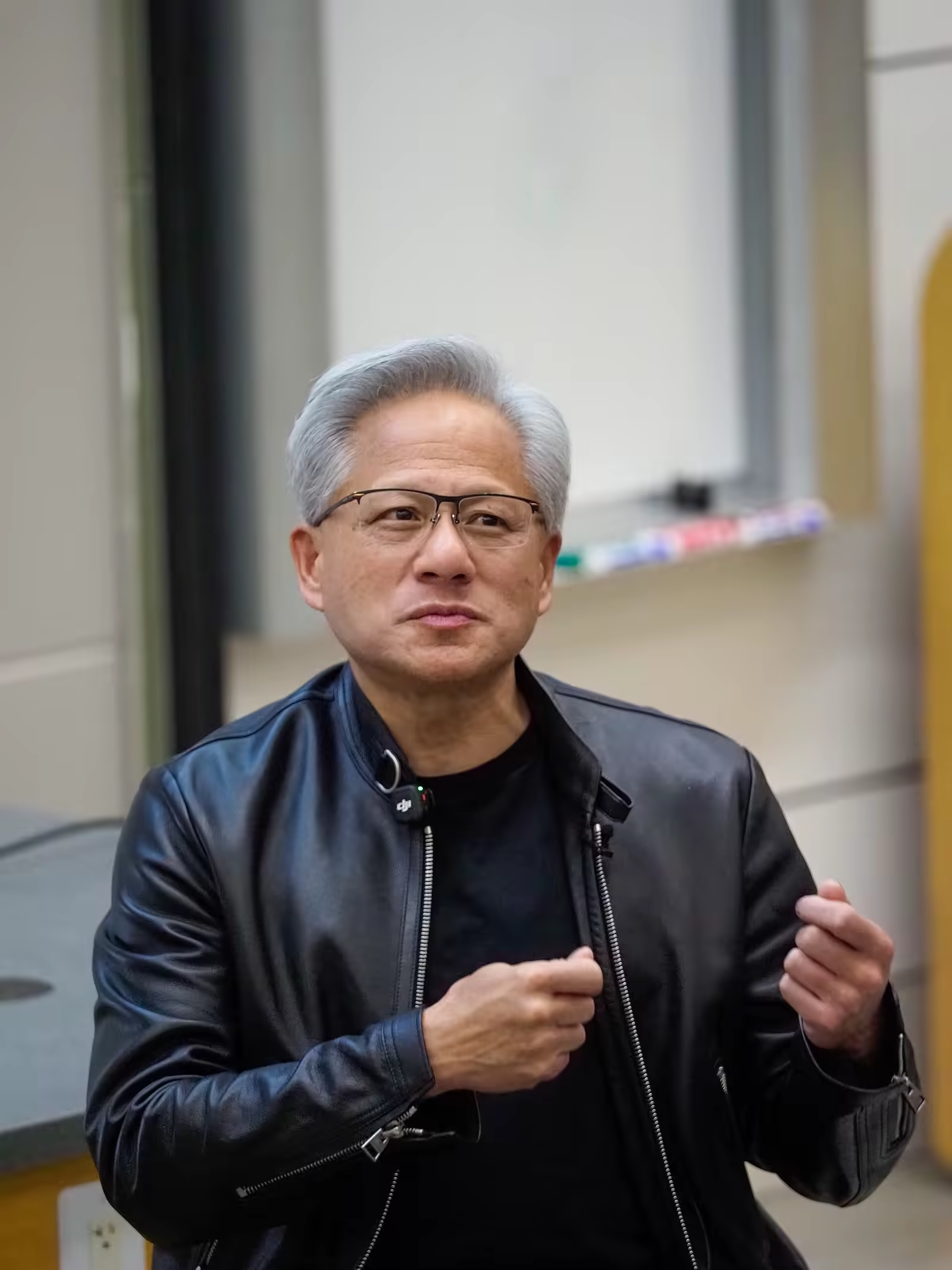
- Images: Wikimedia Commons, Jensen Huang at Stanford by Anderseidesvik (CC BY-SA 4.0); Kwai Tsing Container Terminal by Dataiwicu00 (CC BY-SA 4.0). Compressed to AVIF.
Last updated: 11/11/2026. This is a developing story. Allegations are attributed to their sources; named parties deny wrongdoing where stated. We will update after Nvidia's results on 17/11/2026.
Get the free guide: Claude vs ChatGPT, Gemini & Grok
A 20-page playbook covering everything you need to choose and use the big four AI models in 2026, full cost and feature comparisons, what each is best (and worst) at, and how-tos for images, vectors, building a website, Claude Code and more.