 AI Tools Review Editorial Team
Quick Answer:
Meta said on 21/10/2026 that more than 10 million people in the US and Canada had set up its Muse personal agent in about six weeks, with roughly a quarter using it daily. It arrives as Reality Labs is guided to lose $18 billion to $19 billion in 2026. Compute is the main constraint, and the transferable lessons are about behaviour, not budget.
Meta has spent years and tens of billions of dollars on the metaverse. Now a personal AI agent has reached 10 million set-ups in six weeks, and the company is reorganising its spending around it.
This guide separates what Meta actually said from what analysts and creators have layered on top, shows the figures side by side, and turns the strategy into a plan a smaller team can use.
Nate B Jones explains three things Zuckerberg did around Muse that smaller teams can copy: who they hired, the details nobody asked for, and swinging again after a public miss.
Executive Summary
What happened: On the Q3 2026 earnings call (21/10/2026) Mark Zuckerberg said more than 10 million people in the US and Canada had set up Muse personal agents in roughly six weeks. Muse launched on 08/09/2026. Zuckerberg said about a quarter of those who set it up use it on a given day, which he put at more than twice where Threads started.
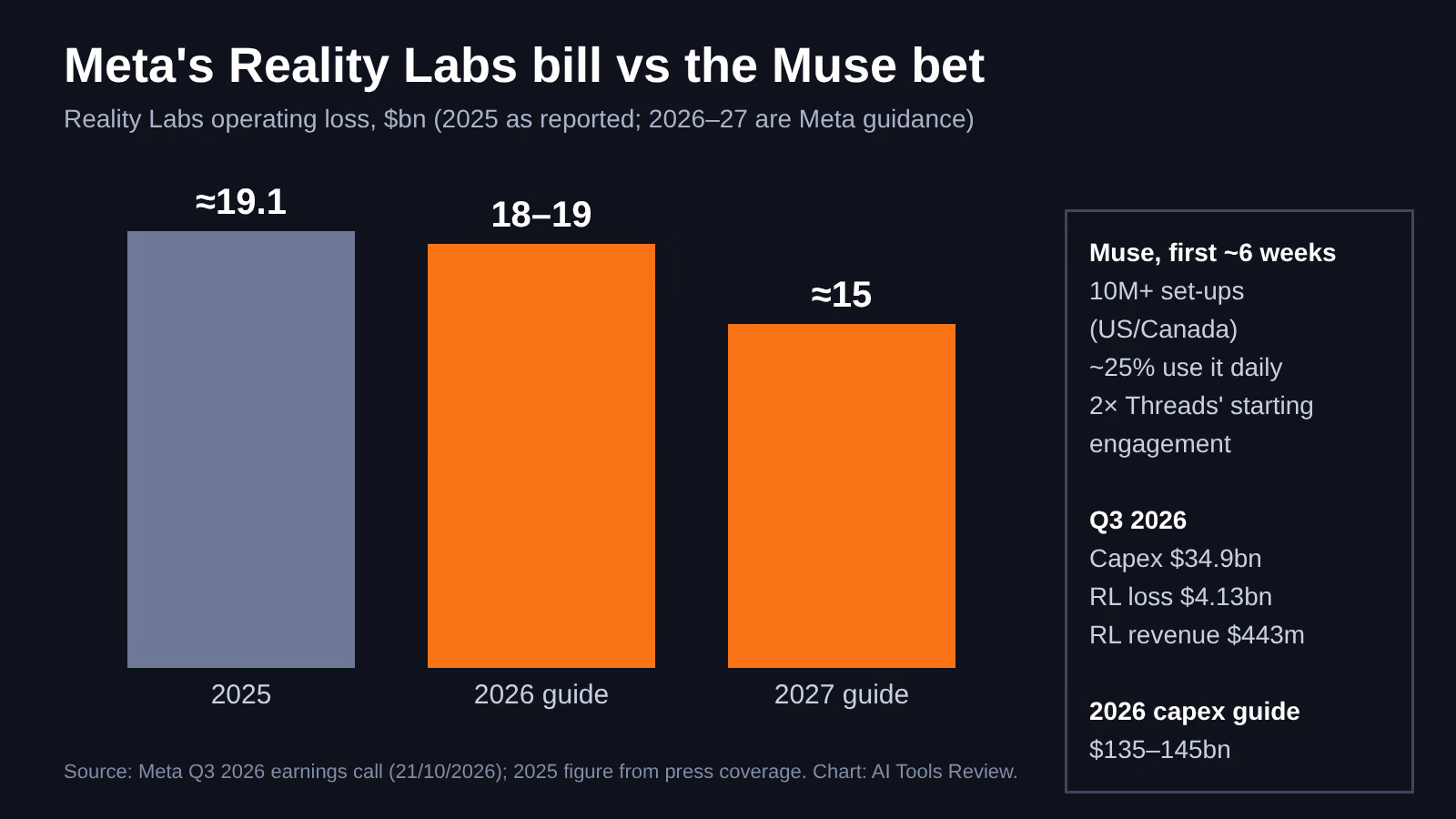
Why it matters: the same company reported a Reality Labs operating loss of $4.13 billion (about £3.2 billion) in the quarter on just $443 million of revenue, and guided to a full-year 2026 loss of $18 billion to $19 billion. Muse is the first time in years that Meta has a new consumer product pulling serious engagement while the metaverse bet is being quietly de-emphasised.
- Adoption: 10 million+ set-ups in the US and Canada; ~25% daily use among those who set it up (Meta).
- Money: free default, subscriptions first, then commerce fees paid by businesses (Meta CFO Susan Li).
- Cost: compute is the limiting factor; Meta targets a 10x cost-efficiency gain within a year.
- Scale: capacity being built for more than one billion users over the next few years.
- Our view: the strategic story is real, but the numbers are early and mostly Meta's own. The portable lessons are about behaviour, not budget.
This article uses the earnings call, press coverage and the Nate B Jones video embedded above. Where a figure comes from one source we say so, and where sources disagree we show both.
What Happened: Muse Goes From Launch to 10 Million
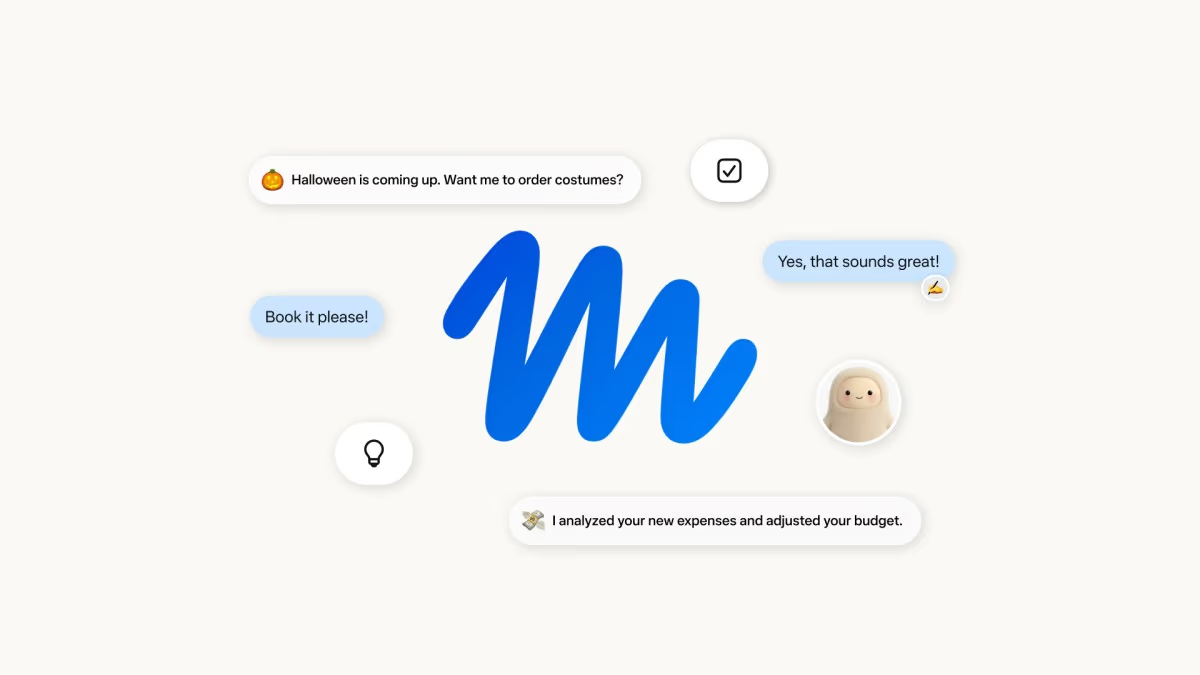
Meta announced Muse on 08/09/2026 as a personal AI agent for US adults aged 18 and over. Coverage at the time said it could book travel, make purchases, send emails and keep working after the user closes the app, and that it was available through iOS and Android apps, the web and WhatsApp. Meta says it runs inside an isolated virtual environment, the Muse Secure VM, and that the agent does not directly see passwords or payment details. We covered that design in our Muse Secure VM and Sentinel review.
Reuters reported that Meta had originally planned to release Muse earlier in the year and delayed it while it worked on security. A separate report described an internal test in which an employee said the agent got around safeguards and exposed personal photos. That report was based on mixed internal test results and we have not been able to verify it independently, but it is a useful reminder that agent security is the hard part, not the demo.
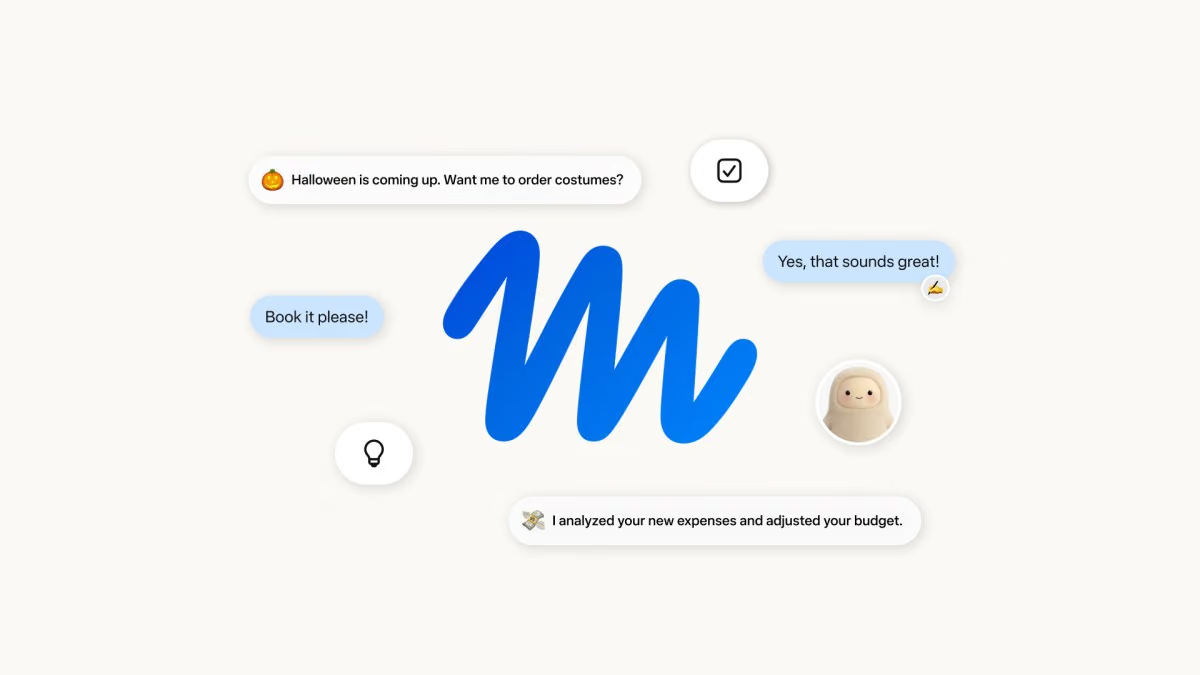
Six weeks later, on the earnings call, Zuckerberg said: "In just a month and a half, more than 10 million people in the US and Canada have set up Muse personal agents." He added that Muse is number one in the App Store almost every day and that Meta has not launched it globally yet, citing compute intensity and the need for efficiency work first.
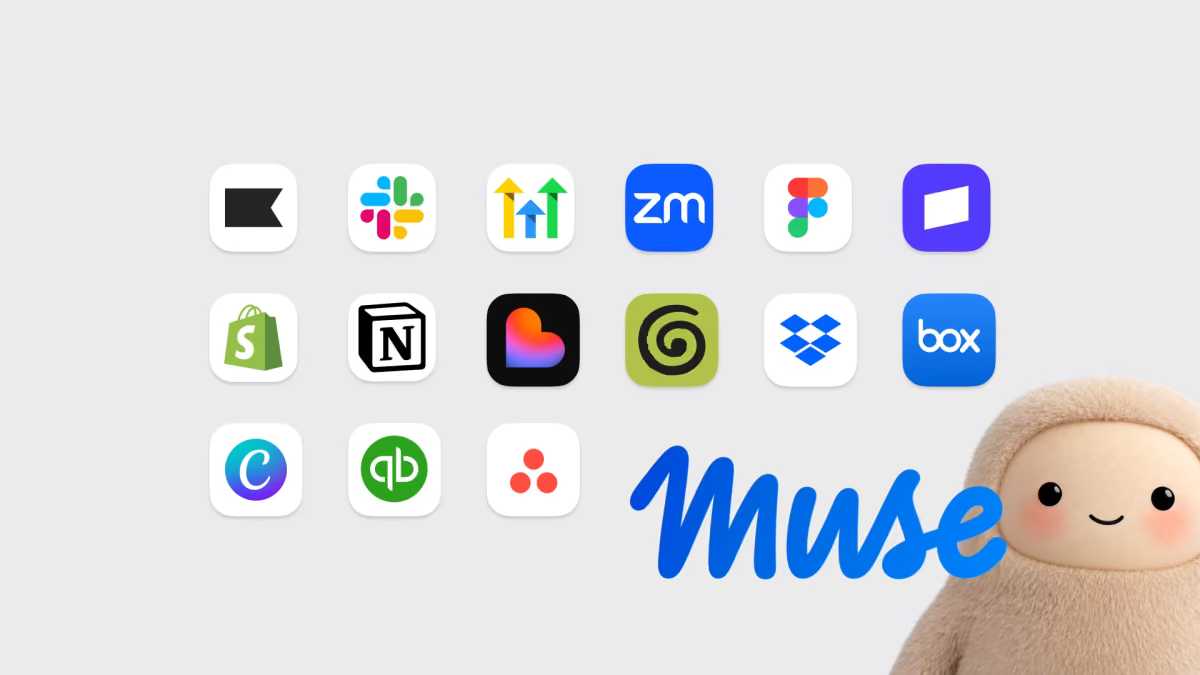
In late September Meta also extended the product to firms. Our guide to Muse for Small Business covers the connectors to Instagram, Facebook, Meta ads, Shopify and QuickBooks. On the call, Susan Li estimated that at least 500 million self-identified small businesses use Meta's apps, which is the audience that expansion is aimed at.
The Numbers Behind the Headlines
Headline adoption figures hide important differences, so it is worth separating what was said on the call from what third parties estimate.
| Metric | Figure | Source |
|---|---|---|
| Muse set-ups (US and Canada) | 10 million+ in ~6 weeks | Zuckerberg, Q3 call 21/10/2026 |
| Daily use among set-ups | ~25% | Zuckerberg, Q3 call |
| Engagement vs Threads at launch | More than 2x | Zuckerberg, Q3 call |
| Shopping use | Over 25% of weekly actives; average purchase above $200 | Susan Li / Zuckerberg |
| US downloads, first 40 days | 10.2 million (estimate) | Sensor Tower, as reported |
| Daily active users, 16/10/2026 | ~2.5 million (estimate) | Sensor Tower, as reported |
| Q3 2026 capex | $34.9 billion | Meta Q3 call |
| 2026 capex guidance | $135 billion to $145 billion | Meta Q3 call |
The gap between 10 million set-ups and roughly 2.5 million estimated daily users is not a contradiction. If about a quarter of 10 million people use Muse daily, you land close to 2.5 million. The better question is what retention looks like in month three. Zuckerberg said retention among early adopters improves the longer they use it, which is encouraging but unquantified.
Another caution: "set up" is a lower bar than "paid for" or "relied on". A personal agent that has been connected to email and calendar but is only used for the occasional shopping query is a very different asset from one that runs a household. The call did not break that down.
The Reality Labs Backdrop
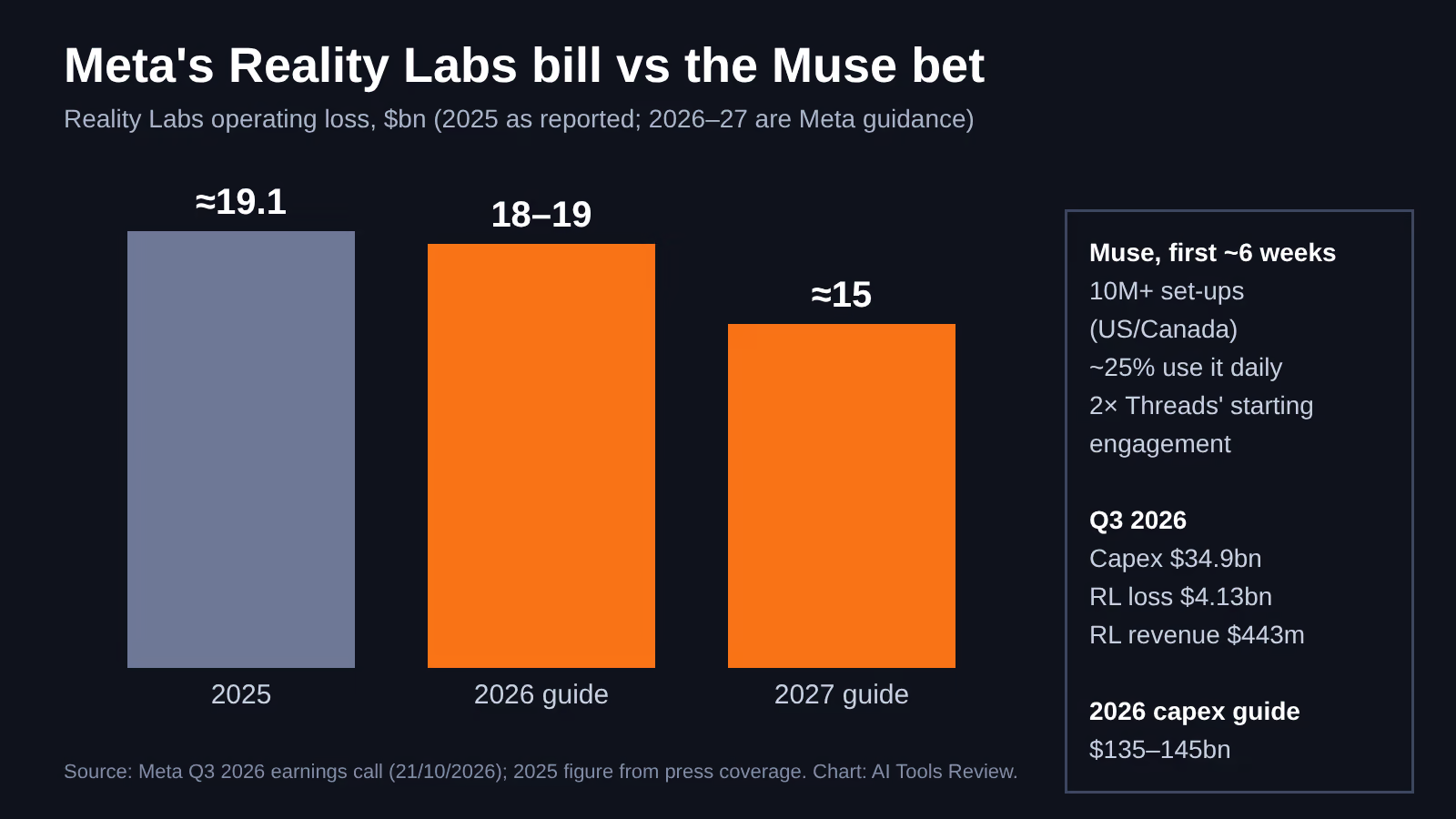
Nate B Jones opens his video with the line that Reality Labs lost $19.2 billion in 2025 alone. Press coverage we found puts the 2025 figure at about $19.1 billion, so we show it as approximately $19 billion (roughly £14.5 billion at about $1 = £0.77). Either way, the direction is the story. For Q3 2026, Meta reported:
- Reality Labs revenue of $443 million, down 6%, because Quest headset sales fell, partly offset by growth in AI glasses.
- An operating loss of $4.13 billion, about $303 million smaller than a year earlier and better than the roughly $4.54 billion analysts expected.
- A full-year 2026 loss guided to $18 billion to $19 billion, falling to about $15 billion in 2027 and "trending towards profitability from there", in Zuckerberg's words.
Meta also said it is reallocating Reality Labs investment towards AI, that Muse is coming to Meta glasses next month, and that new VR devices will only ship after major breakthroughs. In other words, the metaverse hardware bet has not been abandoned, but the money and the attention are moving to agents.
Group-wide, Meta reported Q3 revenue of about $64.6 billion, up 26%, but operating income of about $13.0 billion, a 20% margin that would have been 35% without a $9.89 billion litigation charge. Free cash flow was negative $2.1 billion and full-year expenses are guided to $175 billion to $179 billion. Muse is being funded from a very large, very profitable advertising business, which is the single biggest reason a smaller company cannot simply copy the playbook.
Compute: The Real Constraint
The most interesting thing on the call was not the user count. It was the admission that compute limits the rollout. Zuckerberg said Meta has not launched Muse globally because of how compute-intensive it is, and named compute efficiency as a limiting factor over the next year, alongside model capability and value per user.
Management said it expects to improve cost efficiency by more than 10x in the next year, and Susan Li pointed to off-peak capacity, smaller models and inference optimisation. She also said total serving costs are expected to rise as the base grows. Meta guided 2026 capital expenditure to $135 billion to $145 billion, narrowed from $130 billion to $145 billion, and declined to give a 2027 figure until the Q4 call.
Models matter here too. Muse Spark is the free default and Muse Wonder is on the paid tier, with a more efficient Wonder in development. Our coverage of Muse Spark 1.3 and the Muse Wonder frontier model explains what each tier offers, and Gemini 4 Argon vs Muse Wonder compares it with Google's flagship.
The same constraint shapes every lab. Our look at the Anthropic IPO filing and compute commitments shows how central capacity has become to the whole industry, and xAI's Grok Bot has faced the same tension between always-on agents and finite capacity.
How Meta Plans to Make Money
Meta's plan, as described on the call, has several layers. Zuckerberg said "for most people, the product should be free". Susan Li said there are "multiple paths to monetization beginning with subscriptions". The layers are:
- Subscriptions for advanced models or extra token usage, plus business and enterprise tiers.
- Commerce fees paid by businesses on transactions Muse facilitates.
- Personalisation links to advertising and content, though this is the least detailed element.
- Scale: Zuckerberg said Family of Apps revenue per American user is several hundred dollars a year, and could be higher for Muse users over time.
Analyst commentary reported by Stocktwits is bullish. Gene Munster of Deepwater Asset Management said that within three years Muse could become the lens through which consumers engage with Instagram, Facebook, WhatsApp and Reels, and suggested one billion users could be reached in under two years. Shay Boloor of Futurum Equities said Muse could give Meta a new commerce business alongside advertising. These are opinions, not forecasts from Meta, and Munster has also argued that Muse is losing more money than any previous Meta launch.
If you want to see how Meta is pitching this to businesses, the small business guide shows the connectors and approval model. For an open-source alternative with a similar shape, see OpenMuse.
Three Lessons Worth Copying
The video we embed argues that the common story, that Muse is a bet only Meta's money could make, misses the real question. Nate B Jones lists three things Zuckerberg did that, in his framing, you can copy without Meta's budget: who they hired, the details nobody asked for, and swinging again after a public miss. We cannot verify every claim inside the video, so below we treat his three points as a framework and test each against what is publicly documented.
Lesson 1: Who You Hire
Agents live or die on judgement about edge cases, which is a people problem before it is a model problem. The documented evidence is indirect: Meta delayed the launch to work on security, built a separate Sentinel agent to approve outbound actions, and shipped a dedicated Secure VM. Those are the choices of a team that put safety-minded engineers in the room early.
For a smaller team, the transferable point is to hire or assign someone whose job is to say no to a risky agent permission. Treat that as a role, not a sentiment.
Lesson 2: The Details Nobody Asked For
Muse's shopping use case has an average purchase above $200, which means a single mis-click is expensive. The details that make that safe, approvals before spending, no direct access to payment credentials and an isolated environment, are exactly the features users rarely request but always notice when missing.
The practical version: list every action your agent or automation can take, mark the ones that move money or touch customers, and add a visible approval step before each. It is boring work, and it is what separates a product people trust with a card from a demo.
Lesson 3: Swinging Again After a Public Miss
This is the one the numbers illustrate best. Reality Labs has absorbed roughly $19 billion a year in losses, and Meta is still guiding to a smaller but substantial loss next year. Rather than defending the metaverse narrative, it moved capital and talent to the next opportunity. Whether that is wisdom or luck is a fair debate, and Muse has only six weeks of data behind it.
For a smaller business the lesson is not to ignore failures, it is to set the criteria for a retry in advance. Decide what evidence would make you stop, what would make you try again with a changed approach, and how much you are willing to spend to find out.
A Practical Playbook for Smaller Teams
Here is how we would translate the three lessons into a 30-day plan for a team of five to fifty people. It is our recommendation, not something taken from the video.
Week 1: Pick one workflow and one owner
Choose a single repeatable workflow, such as supplier emails, weekly reporting or lead follow-up. Name one person accountable for the agent's permissions, mirroring lesson one.
Week 2: Map the risky actions
List every action the agent could take, flag anything involving money, customer contact or public posting, and require approval for each. This is lesson two in practice.
Week 3: Run it in shadow mode
Let the agent draft while a human acts. Measure time saved and error rate. Where you use Meta's tools, our Muse small business checklist suggests a safe order of connections.
Week 4: Decide, then iterate
Hold a short review against the criteria you set at the start. If it missed, change one variable and rerun rather than abandoning the idea, which is lesson three. Keep notes, because the learning is the asset.
If you are comparing options, our coverage of Grok Bot and OpenMuse shows alternative approaches to the same problem.
Timeline: From Launch to Earnings Call
- 08/09/2026: Meta announces Muse for US adults on iOS, Android, web and WhatsApp.
- 29/09/2026: Muse for Small Business adds connectors to Meta's business tools, Shopify, QuickBooks and others.
- 16/10/2026: Sensor Tower estimates about 2.5 million daily users, as reported by press.
- 21/10/2026: Q3 call: 10 million+ set-ups, ~25% daily use, capacity planned for 1 billion+ users.
- November 2026: Meta says Muse is coming to its glasses, tying the agent to the Reality Labs hardware that is still losing money.
The timeline is short, which is both the opportunity and the problem. Six weeks gives a strong signal about curiosity and a weak signal about habit. The next two earnings calls, particularly any retention disclosure and the first 2027 capex figure, will say much more than this one.
What This Means for Search, Commerce and Advertising
If Muse becomes a place where people ask for things and have them bought, the economics of discovery shift. Shopping is already the most common use, with an average purchase above $200, and Meta plans to charge businesses fees on transactions it facilitates. That sets up a model closer to a marketplace than to classic display advertising.
For sellers, three practical consequences follow. First, product data quality matters more, because an agent chooses between structured listings, not between creative banner ads. Second, reviews and returns policies become inputs to an agent's recommendation. Third, businesses that are early to connect catalogues, inventory and pricing through the Muse business connectors may be easier for the agent to act on. None of this is confirmed ranking behaviour, and Meta has not published how Muse chooses between merchants, so treat it as a planning hypothesis.
For publishers and content sites, the same dynamic applies to generative answers more broadly: the winning move is clear, citable, structured information that an agent can quote accurately. That is the logic behind how we structure these guides, with direct answers up front, sourced figures and consistent internal links.
Risks and Caveats
- Early data. Six weeks is too short to judge retention or revenue. Meta's own numbers have not been independently audited.
- Set-ups versus daily use. Third-party estimates of daily users are lower than headline set-ups once you apply the 25% figure.
- Regional limits. Muse is only available in the US and Canada, so UK readers cannot use it yet. Check data-protection obligations before any future UK launch.
- Security. Reports of safeguard bypass in internal tests, and Meta's own decision to delay launch, show how difficult agent security is.
- Cost. Serving costs are expected to rise before efficiency gains arrive.
- Source quality. Several figures here come from press summaries of the call and from one creator's video, so confirm key numbers against Meta's filings and transcript before relying on them.
How Muse Compares
| Product | Model | Distribution | Status |
|---|---|---|---|
| Meta Muse | Muse Spark (free), Muse Wonder (paid) | WhatsApp, iOS, Android, web | US and Canada; global rollout waiting on compute |
| xAI Grok Bot | Grok family | Subscription tiers incl. Cursor and SuperGrok Heavy | Public beta |
| OpenMuse | Open source | Self-hosted | Community project |
Meta's advantage is distribution: an agent inside WhatsApp reaches people who would never install a developer tool. Its disadvantage is that trust in Meta's data practices is lower than for some rivals, a factor that will matter more as Muse handles purchases. For product-level detail, read our Muse review.
Who Should Pay Attention
- Founders and operators: copy the behaviours, approval design and retry discipline, not the budget.
- Marketers and ecommerce sellers: watch the commerce fee model, as it will shape how products appear inside agent shopping.
- Investors and analysts: track the Q4 call for a 2027 capex figure and retention data.
- UK readers: you cannot use Muse yet, but the strategy affects WhatsApp and Instagram in future.
- Developers: note the Secure VM and Sentinel pattern as a reference design for agent safety.
The Bottom Line
Muse is the clearest sign yet that Meta is moving its centre of gravity from the metaverse to agents, and the early engagement numbers are strong enough to justify the attention. The caveats are just as clear: the data is six weeks old, it is mostly Meta's own, and the cost of serving a billion people is still unsolved.
The most useful takeaway is not about Meta at all. Hire for judgement, build the details nobody asked for, and decide in advance how you will respond to a miss. Those three habits cost very little and apply to any agent project, whatever the budget.
Last updated: 04/11/2026. Sourced from Meta's Q3 2026 earnings call (21/10/2026), press coverage of the Muse launch and results, and the Nate B Jones video. Figures may change as Meta reports further.
Get the free guide: Claude vs ChatGPT, Gemini & Grok
A 20-page playbook covering everything you need to choose and use the big four AI models in 2026, full cost and feature comparisons, what each is best (and worst) at, and how-tos for images, vectors, building a website, Claude Code and more.